



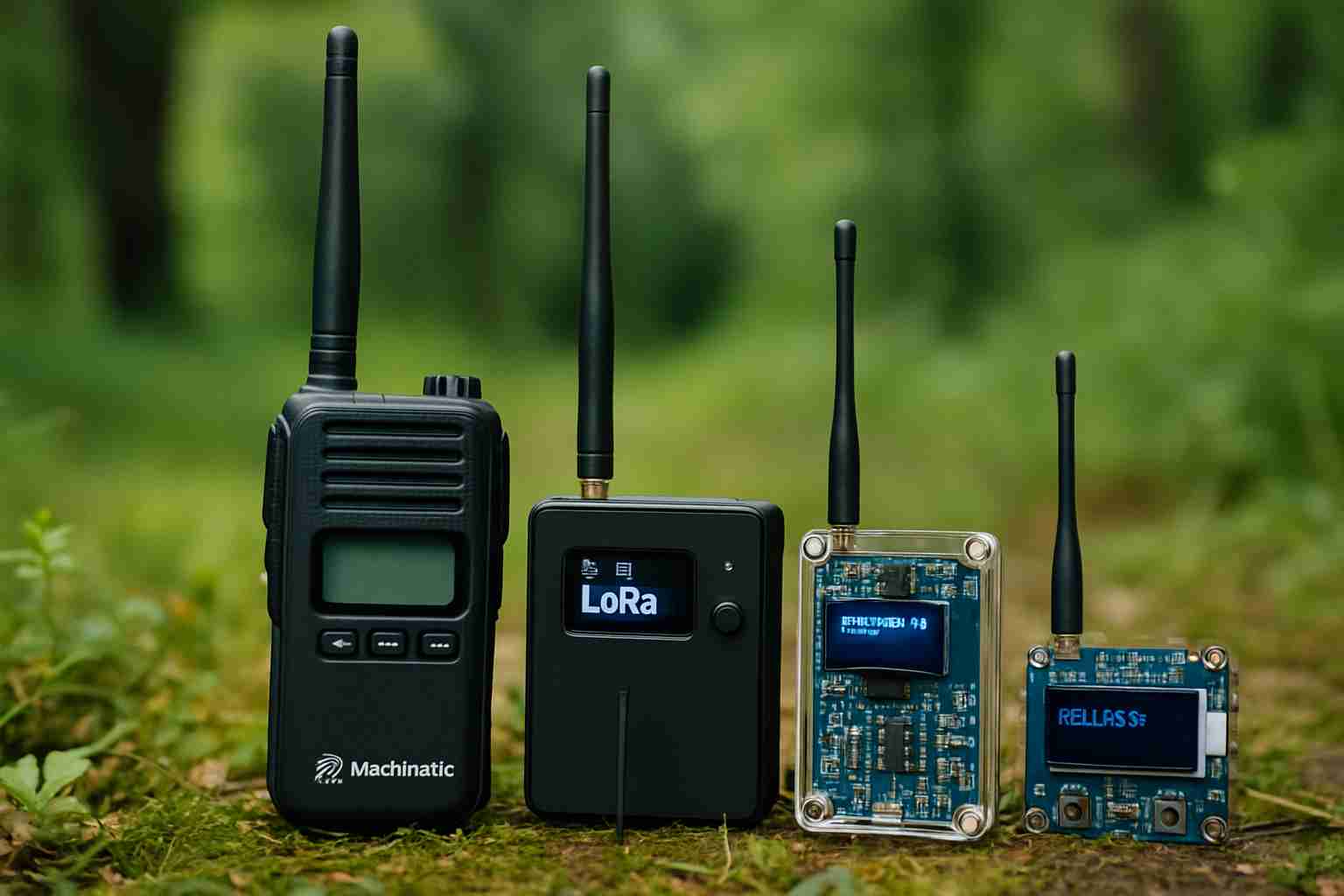
Technologies like Meshtastic and LoRa mesh networking are transforming off-grid communication. This article explores the features of Meshtastic-compatible radios, autonomous communication systems, and self-made off-grid communication equipment, helping users maintain connectivity in isolated and demanding locations.
Understanding Meshtastic Compatible Radios
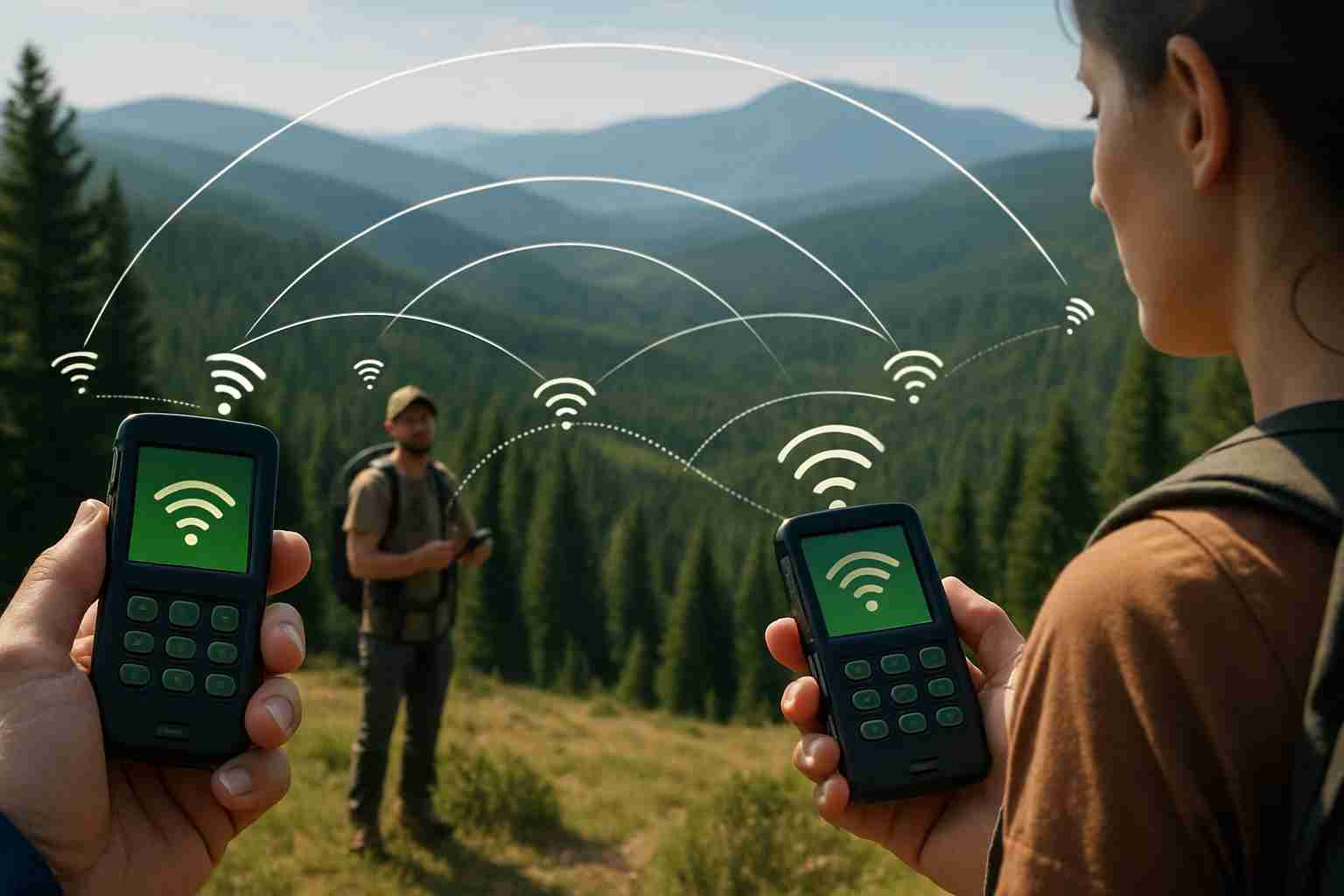
Meshtastic compatible radios serve as the foundational element for decentralized communication systems, utilizing the LoRa protocol to establish robust mesh networks that span vast distances. These gadgets revolutionize communication in remote areas by enabling extended-distance wireless transmission where conventional infrastructure struggles. Unlike classic radios, these mesh-enabled devices provide improved range and dependability, effectively connecting spaces without cell towers or internet access.
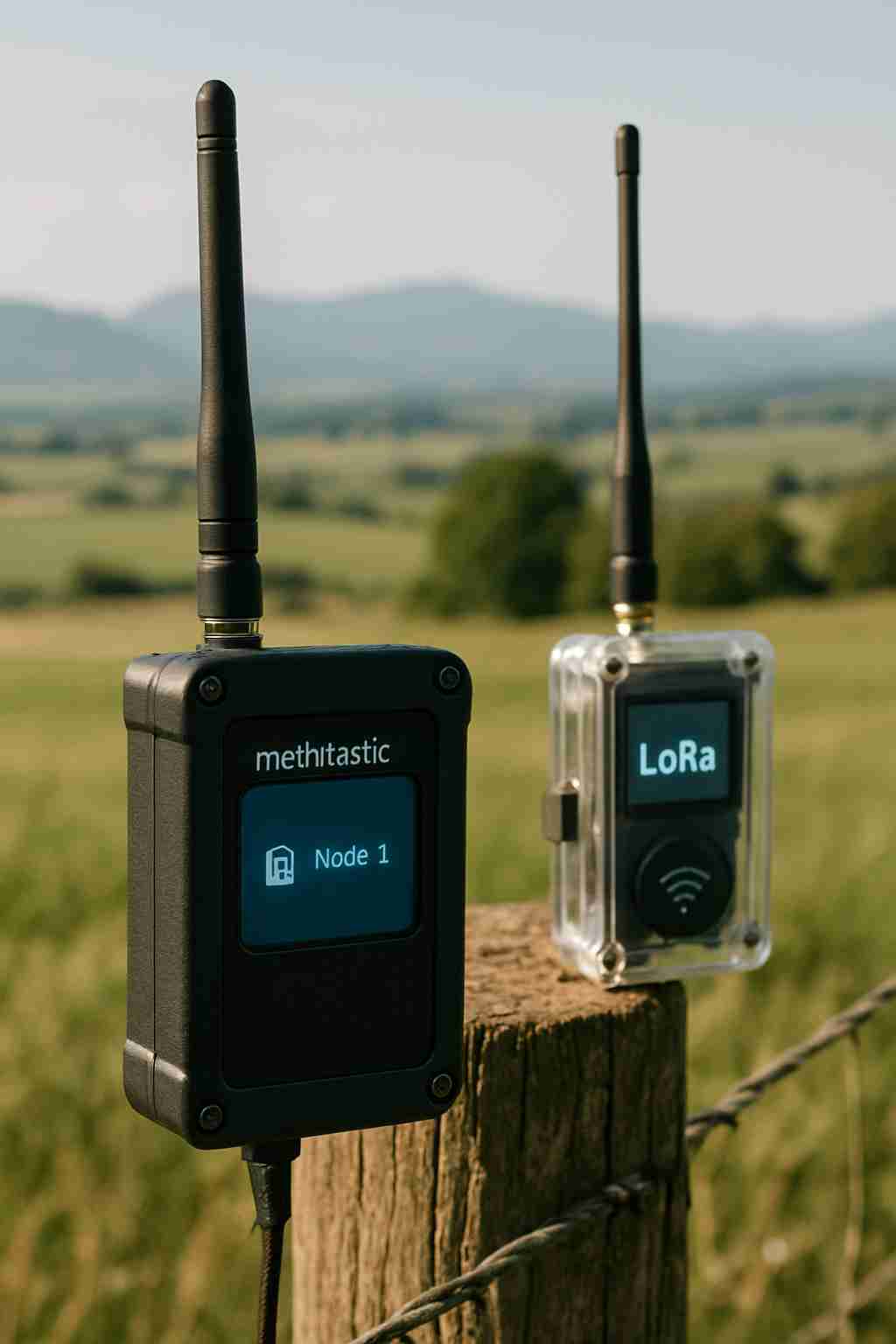
With the emergence of this technology, a range of hardware variants has appeared to address diverse needs. For example, some models are compact and beginner-friendly, perfect for those new to the field who want simple installation and use. Others prioritize durability and versatility, allowing tinkers to tailor the equipment to their own preferences. Devices like the LILYGO® TTGO T-Beam offer choices such as GPS compatible mesh network radios and enhanced battery longevity, vital for prolonged use in secluded settings.
Choosing meshtastic compatible radios equips individuals with an independent communication resource that not only boosts connectivity but also fosters readiness and safety in isolated environments. This remarkable ability ushers in a future where communication obstacles dissolve, ensuring that messages navigate unseen territories with accuracy and simplicity, even in the most demanding conditions.
Exploring Off-Grid Communication Devices
Reliable connections without relying on internet access are provided by off-grid communication devices, which become essential in regions that lack conventional infrastructure. During remote expeditions, natural disasters, and situations where normal networks fail, these tools facilitate communication. They function via distributed communication hardware, eliminating dependence on cell towers or internet services.
At the heart of off-grid communications lies a technology found in meshtastic compatible radios. Utilizing LoRa technology, these devices establish extensive mesh networks that can relay messages across several kilometers. Their value becomes clear during emergencies when infrastructure is damaged. Moreover, users have the flexibility to configure them to suit various conditions, offering personalized solutions.
While effective under many circumstances, some challenges remain. Signals may weaken in dense forests, hilly landscapes, or densely populated urban environments. Also, their appealing energy efficiency for prolonged use comes with the limitation of supporting only low data speeds, restricting communication mainly to text and small data packets.
Nevertheless, ongoing developments continue to enhance both their reliability and Meshtastic communication range. As these technologies evolve, meshtastic compatible radios and analogous devices promise to broaden communication possibilities where traditional networks often fall short.
The Power of LoRa Mesh Networking
LoRa-based mesh communication transforms remote wireless communication systems by delivering extensive coverage while consuming minimal power. At its essence, LoRa technology carries tiny data packets across vast distances, making it ideal for applications requiring low bandwidth. Unlike conventional networks that rely on heavy infrastructure, LoRa networks achieve remarkable range through straightforward antennas, even in the most difficult landscapes.
Within the IoT ecosystem, LoRa emerges as a key driver for precision farming technology, enabling real-time observation of weather, soil, and crops. By harnessing this information, farmers can optimize yield and manage resources more efficiently. Additionally, connected asset tracking platforms leverage LoRa’s broad-range wireless communication to monitor goods over large expanses without expensive GPS equipment.
In metropolitan environments, LoRa is essential to smart city frameworks, supporting systems from traffic control to street illumination. These practical implementations highlight LoRa’s capability to build interconnected networks without draining energy resources.
For the resourceful DIY enthusiast, designing solutions using meshtastic compatible radios opens the door to tailored communication systems. This allows ambitious projects to come to life while preserving dependable links in isolated regions. Whether deployed in remote fields or urban hustle, LoRa mesh networks present a scalable, energy-efficient approach to tackling communication barriers.
An Overview of Meshtastic Hardware Options
Venturing into the world of meshtastic compatible radios unlocks numerous opportunities. The variety in hardware allows users to tailor their devices to meet particular requirements. Typically, these units utilize microcontrollers such as the ESP32 and nRF52840, both celebrated for their powerful processing and Bluetooth Low Energy (BLE) features. The ESP32’s combined Wi-Fi and Bluetooth abilities make it a favored choice for multi-purpose uses, whereas the nRF52840 shines in energy-efficient tasks, essential for remote location networking solutions. To boost communication dependability, some units come equipped with GNSS receivers, offering superior location accuracy—key for navigation and IoT asset tracking solutions.
Innovation is fueled by a passionate community, producing an array of boards, kits, and fully assembled devices. For example, users can attach different antennas to enhance range and signal quality, especially vital in wide, obstacle-filled environments. The modularity found in meshtastic compatible radios invites experimentation, allowing users to modify setups as their project needs evolve. Moreover, the open source mesh communication approach ensures ongoing progress, making this platform accessible to both novices and experienced developers, fostering a welcoming and knowledge-rich ecosystem.
Creating Your Own DIY Meshtastic Radios
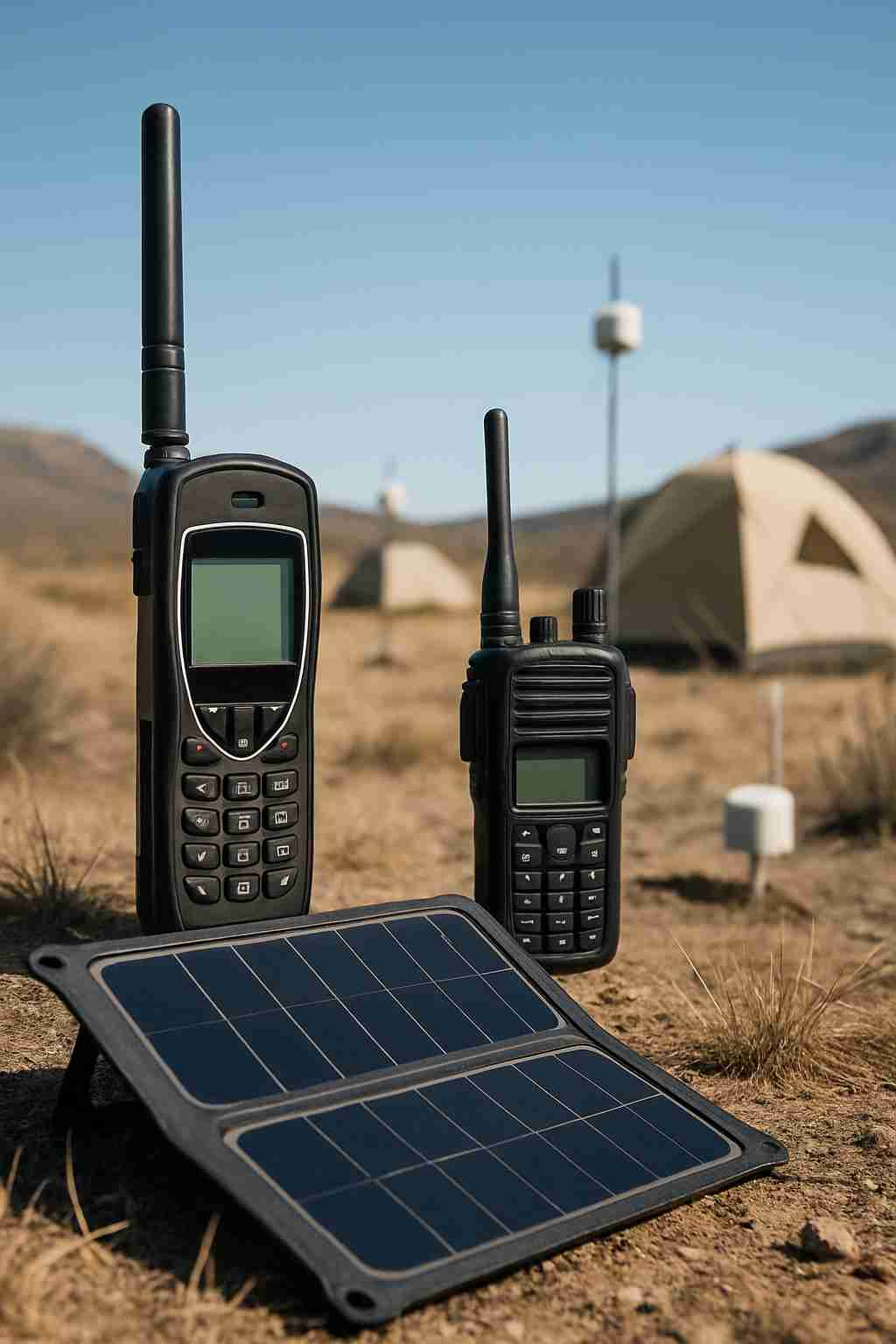
Building your own personalized standalone communication gadgets with Meshtastic allows you to tailor communication tools designed specifically for remote locations. Constructing meshtastic compatible radios requires various components and careful choices that strike a balance between efficiency and usability. Begin by selecting the power supply. For deployments off the traditional grid, solar-driven remote radios or rechargeable battery packs prove essential, offering sustainability and freedom from conventional power sources. The choice of antenna significantly impacts signal strength and Meshtastic network range, with high-gain antennas enhancing reach—especially important in regions with difficult terrain or thick vegetation.
At the core of your handmade Meshtastic wireless devices lies the LoRa module, connected via microcontrollers such as the ESP32. The ESP32 mesh-enabled radios provide versatility, facilitating project expansion along with the addition of modules like GNSS compatible meshtastic hardware for accurate positioning. Installing Meshtastic firmware is critical for software setup—ensuring compatibility and keeping it updated guarantees better performance and enhanced features.
To deploy successfully, you can rely on the community’s extensive troubleshooting support. Participating in forums helps uncover innovative fixes and practical advice, particularly when adjusting device configurations in varied environments. These carefully crafted radios not only strengthen communication links but also reflect the innovative spirit and adaptability crucial to off-grid communication solutions. Whether improving connectivity at an isolated cabin or during an outdoor adventure, meshtastic compatible radios exemplify how DIY craftsmanship merges with cutting-edge technology to build dependable, resilient communication networks.
Conclusions
Meshtastic and LoRa mesh networking offer flexible approaches for off-grid communication solutions. By utilizing these technologies, users can maintain steady rural network connectivity even in distant locations. Whether through ready-made hardware or personalized standalone communication gadgets, the future of communication is rooted in the versatility and promise of these advancements, opening doors to resilient, dependable, and far-reaching networks.