



In our increasingly interconnected world, maintaining communication even in the most isolated locations has become essential. Autonomous communication devices such as satellite messengers, mesh networking solutions, bidirectional radio communication, and LoRa long-range wireless communication provide dependable options when cellular networks are unavailable. This guide explores these standalone communication systems, explaining how they keep you connected when traditional approaches fall short.
Understanding Off-Grid Communication Devices
In areas that are remote or hit by disasters, traditional communication methods frequently prove inadequate, leaving people without options to stay connected. This highlights the significance of independent communication tools, which are vital for explorers, mountaineers, or anyone caught in natural calamities. These autonomous communication devices function without relying on standard networks, guaranteeing connectivity precisely when it is most crucial.
Infrastructure such as cell towers and power grids, which underpin conventional networks, are often missing or damaged in remote or disaster-stricken locations. It is in these scenarios that independent communication tools come into play, utilizing alternative technologies like satellite links and radio spectrum. This ensures that, even in the most isolated settings, essential lines of communication stay accessible.
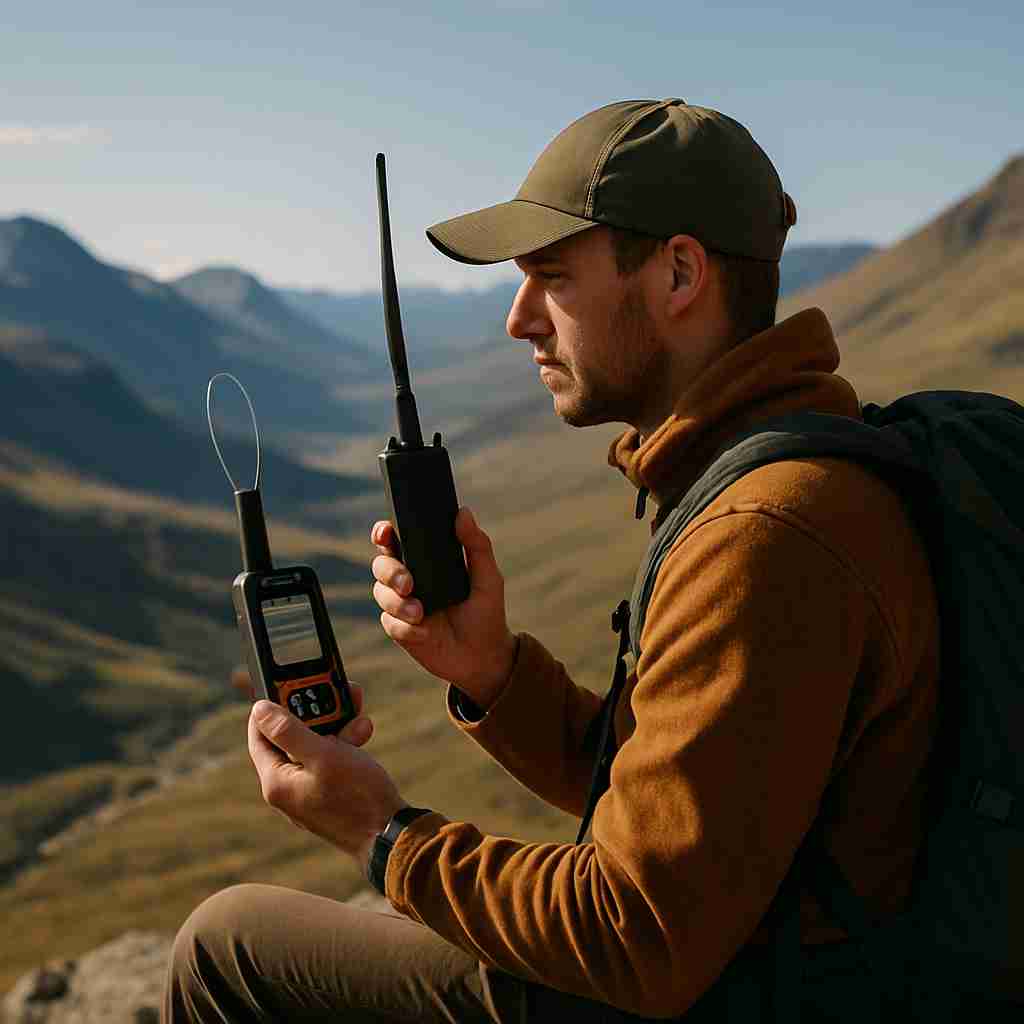
The spectrum of standalone communication technology is broad, with each type fulfilling a distinct role. Satellite phones are prized for their dependability, offering voice communication from nearly anywhere worldwide—a vital asset during emergencies. Handheld transceivers, popular among outdoor enthusiasts, use radio waves for short-range communication, especially helpful in rugged mountain areas. For transmitting messages over longer distances, High-Frequency (HF) radios deliver extensive coverage, bypassing obstacles that hinder conventional devices. Collectively, these tools establish a resilient network able to endure environmental and infrastructure-related hurdles.
The Power of Satellite Messengers
When conventional networks fail, especially in isolated regions, satellite messengers stand as a crucial beacon of connection. Utilizing orbiting satellites, devices like SPOT deliver extensive coverage that far surpasses the limits of traditional networks, highlighting their vital role during emergencies. These tools come equipped with a host of remarkable capabilities, making them indispensable for anyone traveling beyond usual routes.
The GPS tracking feature allows users to mark their precise position at any given time, which is essential for adventurers and rescue personnel alike. Additionally, the ability for two-way satellite messaging ensures communication is possible even when cellular signals are absent, enhancing safety and coordination in remote environments. Particularly notable is the emergency SOS function, which sends distress alerts to an international rescue network, significantly increasing the chances of rescue in urgent scenarios.
In environments where staying connected seems impossible, these satellite messengers demonstrate their true value. By closing the communication divide, they keep users linked to the outside world. More than just devices, they represent a vital lifeline for those seeking nature’s solitude, offering reassurance and security through reliable, nontraditional network solutions. Consequently, these off grid communication devices are not merely tools but trusted partners in maintaining safety and connectivity.
Harnessing Mesh Networking Devices
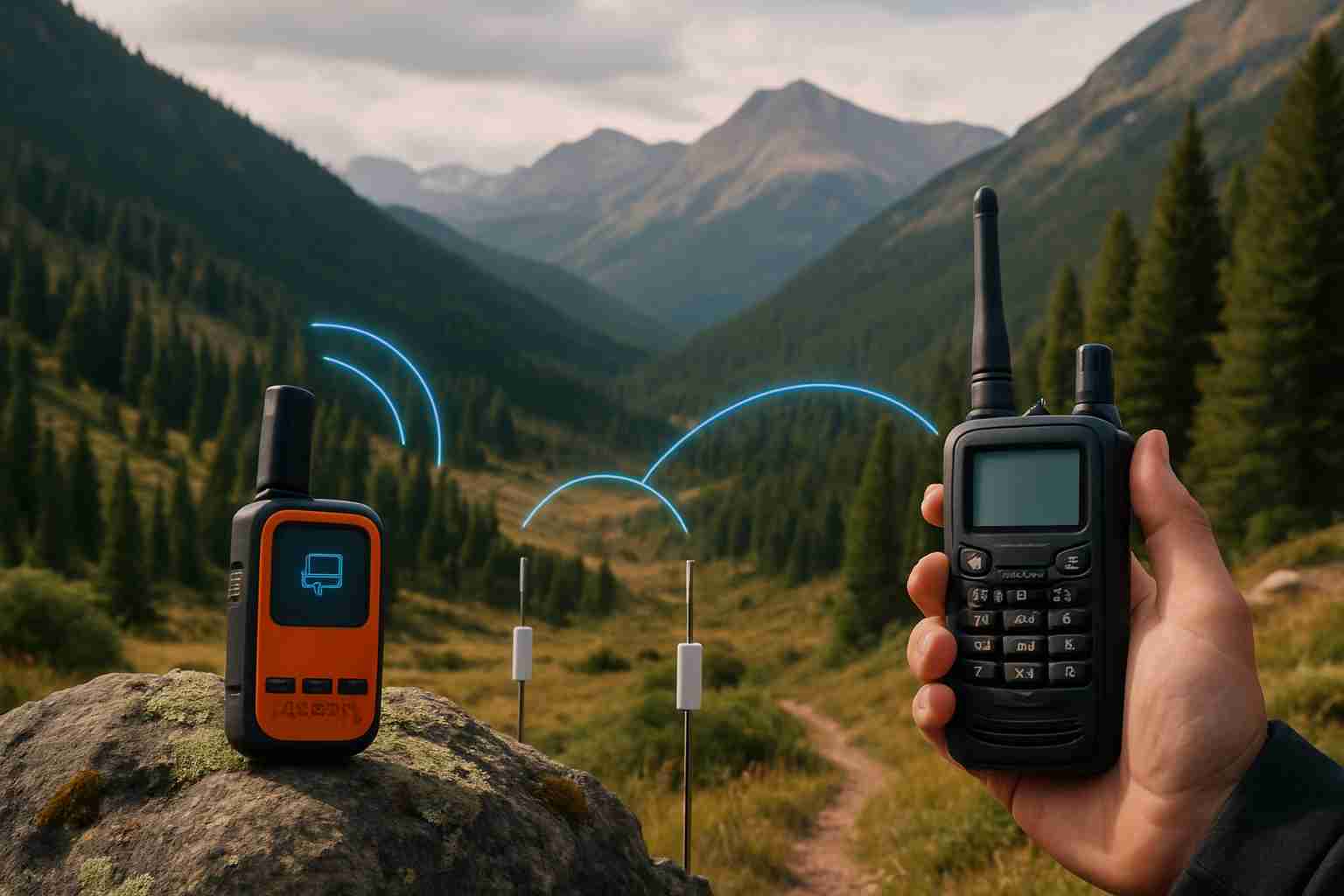
Mesh networking solutions are transforming the landscape of independent communication tools by delivering exceptional flexibility and durability. Rather than depending on a centralized hub like traditional networks, distributed mesh networks pass data among numerous nodes collaborating smoothly. This flat network design enables every device to operate as a node, effortlessly routing information via the shortest available route. Should a node malfunction, the network instantly reroutes data, highlighting its self-repairing mesh networks capability. By optimizing network delay in mesh systems, this smart routing cuts down latency and boosts overall network dependability, even under tough conditions.
Mesh communication technology proves invaluable across diverse real-world applications. Explorers venturing deep into isolated wilderness areas use these systems to maintain connections where regular cellular services fail. In times of emergency response communication, when infrastructure is disrupted, autonomous mesh networks quickly set up vital communication links critical for coordination and aid. Moreover, rural broadband connectivity services gain from mesh networks extending internet access across wide, underserved locales.
These independent communication tools offer a groundbreaking way to sustain connectivity, ensuring sturdy communication networks that support an array of uses beyond traditional techniques.
Versatility of Two-Way Radios
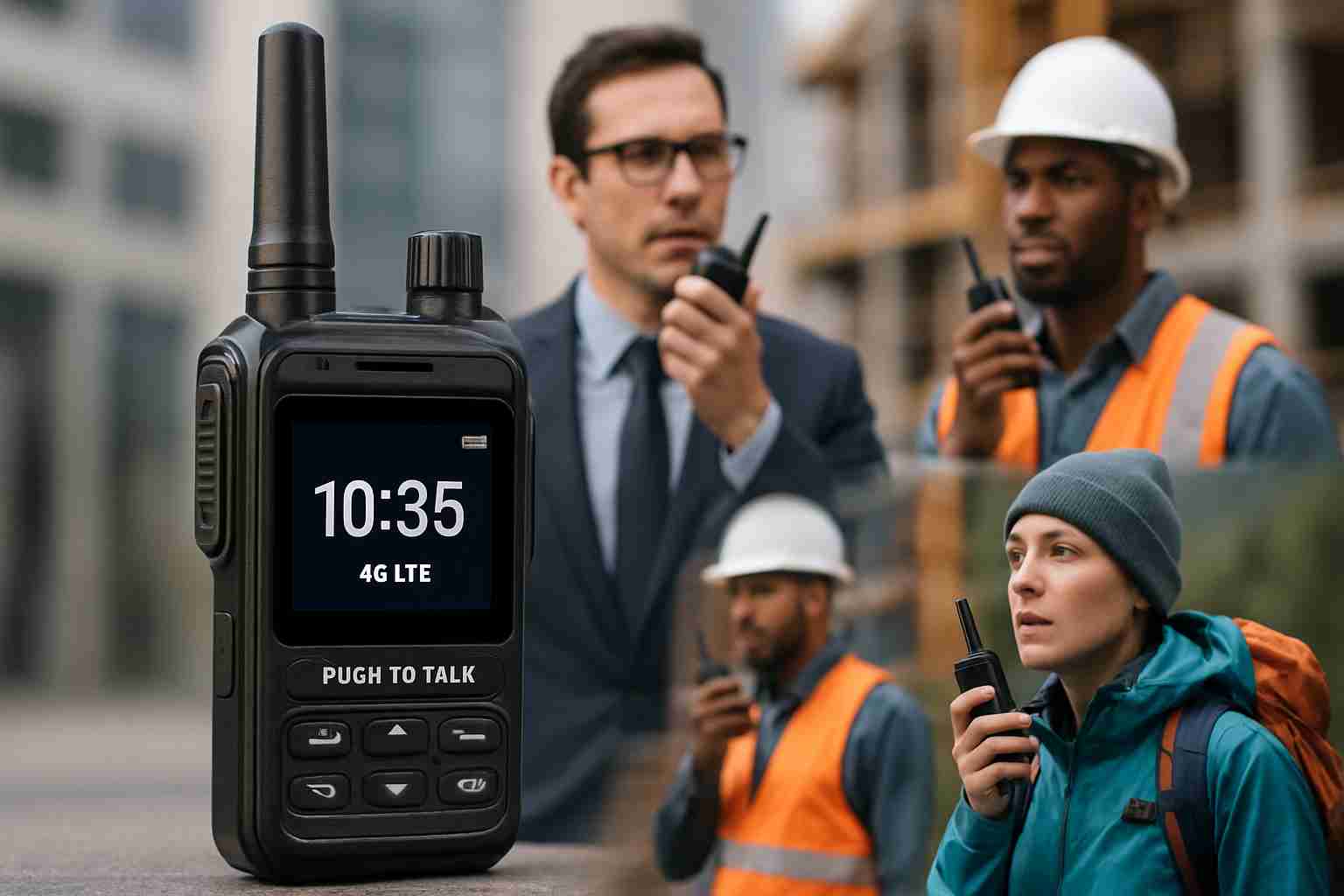
Two-way radios have served as a cornerstone of communication, particularly in isolated environments where conventional networks fail. Their strength comes from rugged dependability paired with simple mechanics. Having gained prominence in the mid-1900s, they transformed the way teams stayed in touch within remote settings. Unlike other independent communication tools, these radios operate independently of centralized systems. By utilizing radio frequencies, they enable direct interaction even where cellular coverage is nonexistent.
These units often achieve impressive ranges, sometimes spanning several miles under ideal conditions — an essential feature for coordinating groups in isolated locations. Whether navigating dense woods or managing a construction zone, the ease of pushing a button to speak creates an immediate connection that isn’t hindered by geography or weather.
Industries such as search and rescue, where timing is critical, rely heavily on two-way radios for effective communication. Their durable design and capability to work without traditional infrastructure make them indispensable for wilderness expeditions, guaranteeing explorers maintain contact. On building sites, they promote fluid coordination across large areas, boosting both productivity and safety. Today, two-way radios remain a vital part of the toolkit among independent communication tools, trusted across a wide range of sectors.
Embracing LoRa Technology for IoT Connectivity
LoRa long-range wireless communication is transforming the way we link vast and isolated regions by enabling intelligent solutions even under tough conditions. Its impressive extended range transmits signals across many kilometers, easily navigating obstacles that would block conventional networks. This extensive coverage renders LoRa essential for Internet of Things connection services, supporting remote sensing systems and data transfer while conserving minimal energy.
In the realm of intelligent farming systems, LoRa has become a key enabler, connecting a variety of standalone communication technology vital for tracking soil moisture, weather patterns, and crop wellbeing. Such connectivity allows farmers to use resources more efficiently, boost production, and cut down on waste. Moreover, asset monitoring in broad fields like logistics and agriculture gains significantly from LoRa’s adaptability. By linking vehicles and machinery scattered over large distances, operations not only become more streamlined but also highly productive.
Many successful deployments demonstrate LoRa’s impact. In smart city environments, for example, its presence is revolutionary—supporting energy optimization, water preservation, and urban development. Environmental observation platforms in distant areas further showcase its value, as this technology helps monitor wildlife, assess pollution, and forecast natural phenomena. The broad range of applications underscores LoRa’s role as a foundational element in the sphere of off grid communication devices. This pioneering technology heralds a fresh era of connectivity, proving essential across multiple industries.
Conclusions
In isolated environments, autonomous communication equipment such as satellite messengers, mesh networking solutions, bidirectional radio communication, and LoRa long-range wireless communication play a crucial role in maintaining connectivity. These remote area communication gadgets not only enable explorers and crisis communication tools users but also transform Internet of Things connection services. Adopting these standalone communication technology options guarantees dependable communication, boosting safety and operational effectiveness in self-sufficient scenarios.