




As the IoT realm advances swiftly today, LoRaWAN stands out as an innovative technology providing energy-efficient wide-area network connectivity solutions. This article investigates the principles of LoRaWAN and LPWAN technology, examining their roles in Internet of Things networking services and addressing challenges related to far-reaching IoT communication.
Understanding LoRaWAN and Its Role in IoT
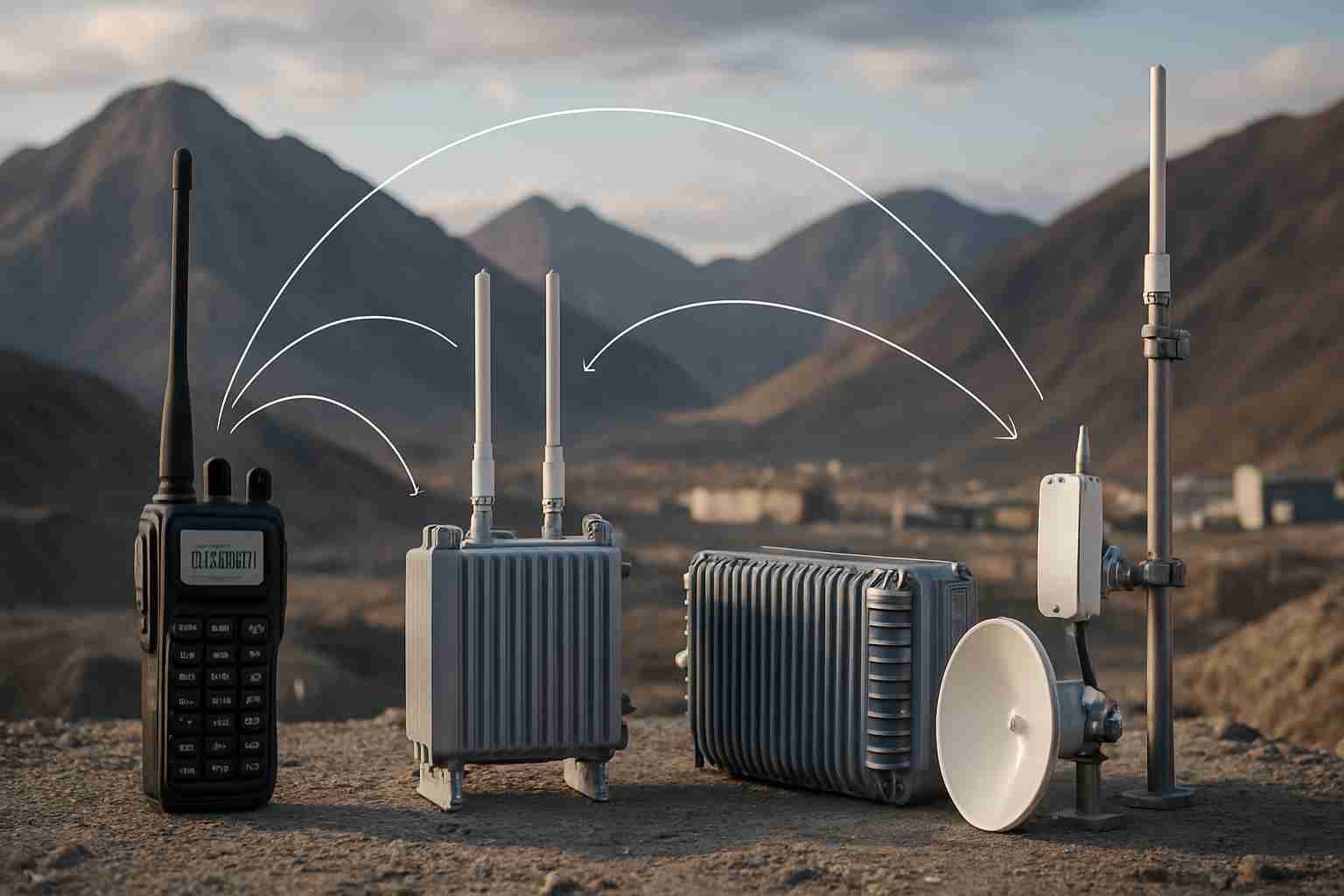
By allowing devices to communicate across vast distances while consuming minimal energy, LoRaWAN is fundamental to IoT. The LoRaWAN system design consists of three integral parts: gateways, end nodes, and network servers. Together, these elements form a unified communication network. Typically, sensors or actuators as end nodes gather and send data, which then passes through the gateways acting as connectors to the broader network via network servers. These servers manage the data and enable interactions between devices and application servers.
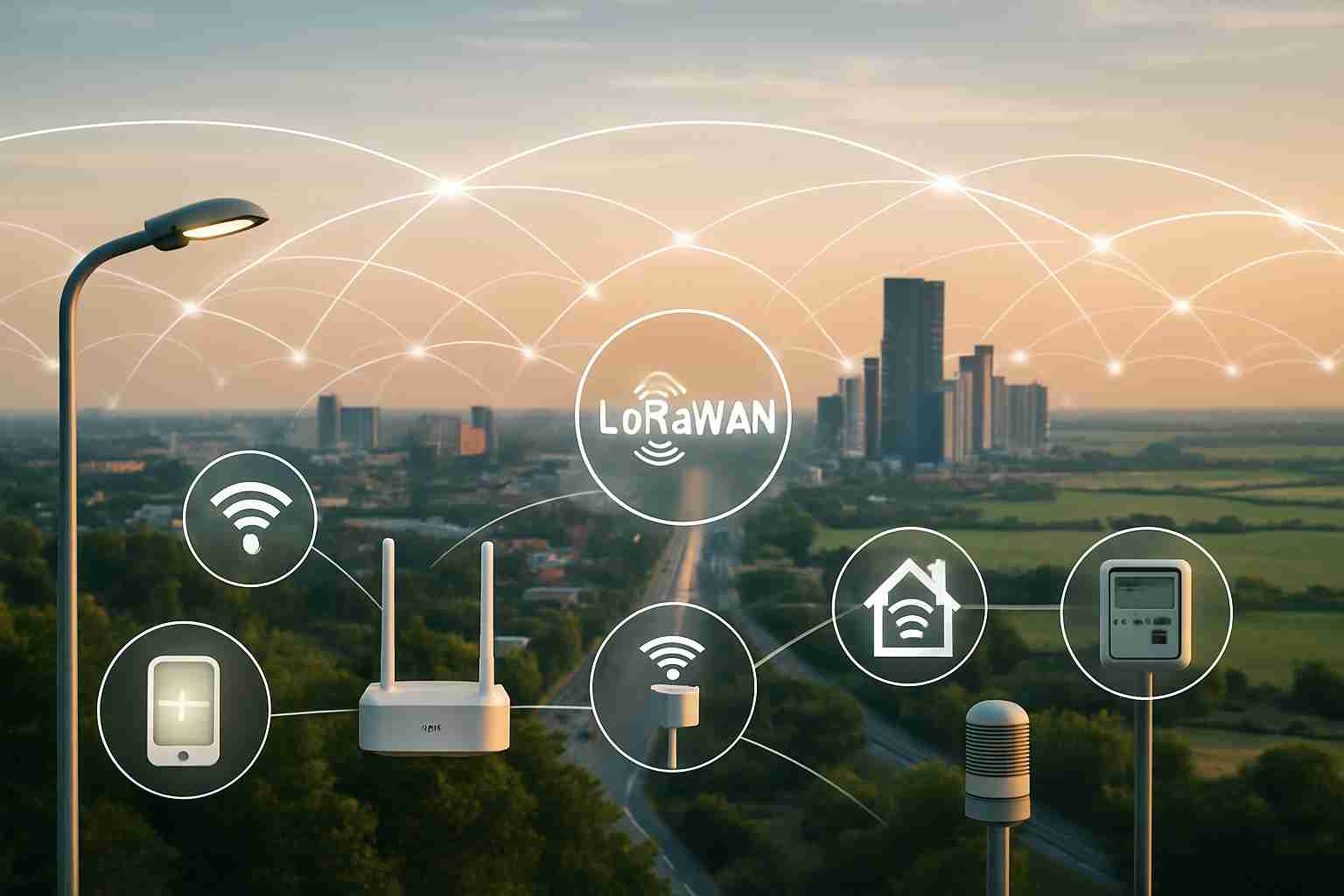
This collaboration between the components ensures data is transmitted efficiently with energy conservation in mind, positioning LoRa technology as an excellent fit for IoT deployments across sectors. For example, in smart cities, LoRaWAN facilitates the control of public utilities, traffic systems, and environmental sensing. In agriculture, it supports precision agriculture systems by monitoring soil moisture, weather data, and the well-being of livestock. The capability of LoRa technology to boost connectivity while reducing expenses and power consumption is crucial in broadening IoT’s footprint, making it indispensable for today’s tech ecosystems.
The Evolution and Advantages of LPWAN Technology
Low-Power Wide-Area Networks (LPWANs) have transformed Internet of Things networking services by offering numerous advantages that traditional communication platforms cannot rival. LPWAN technology like LoRa technology emphasizes minimizing energy consumption while providing widespread coverage, setting it apart from older communication systems. This advancement has sharply lowered infrastructure expenses, enabling connectivity in isolated regions where deploying vast networks would be impractical.
Devices powered by LPWAN enjoy prolonged battery performance, allowing IoT sensors and gadgets to function for years without frequent replacements, thereby substantially reducing upkeep costs. Such longevity stems from energy-efficient IoT solutions like LoRa technology that consume power only during data transmission. Moreover, the extensive-range IoT connectivity enabled by LPWAN ensures seamless data flow over several miles, an essential feature for applications including precision agriculture systems and LPWAN IoT applications for smart cities. By supporting scalable IoT implementations, LPWAN technology is laying the foundation for more advanced and interconnected ecosystems.
Challenges and Solutions in Long-Range Wireless Communication
While LoRa technology and comparable extended-range IoT connectivity systems deliver remarkable power efficiency and broad coverage, they do encounter several obstacles. One significant issue arises from industrial scientific medical band disruption, which is common due to the heavily utilized ISM bands these technologies generally use. This interference can impair system performance, causing data loss and diminishing communication distance. Employing dynamic data rate management techniques helps by adjusting transmission speeds in real time according to network conditions, thereby lessening interference effects and enhancing throughput.
Bandwidth restrictions also pose challenges, especially when high-demand applications attempt to leverage LoRa technology. To overcome this, new LoRa communication modulation techniques and coding schemes are being introduced to boost data rates without sacrificing range. Deployment is further complicated by regulatory requirements, as spectrum allocation and legal adherence differ across regions. Regulatory authorities are vital here, as they standardize spectrum use and promote efficient distribution to support peaceful coexistence among various wireless technologies.
By adopting these strategies and careful LPWAN infrastructure implementation, networks based on this technology can fully exploit their capabilities, setting the stage for improved IoT connectivity throughout diverse scenarios.
LoRaWAN vs Other IoT Connectivity Solutions
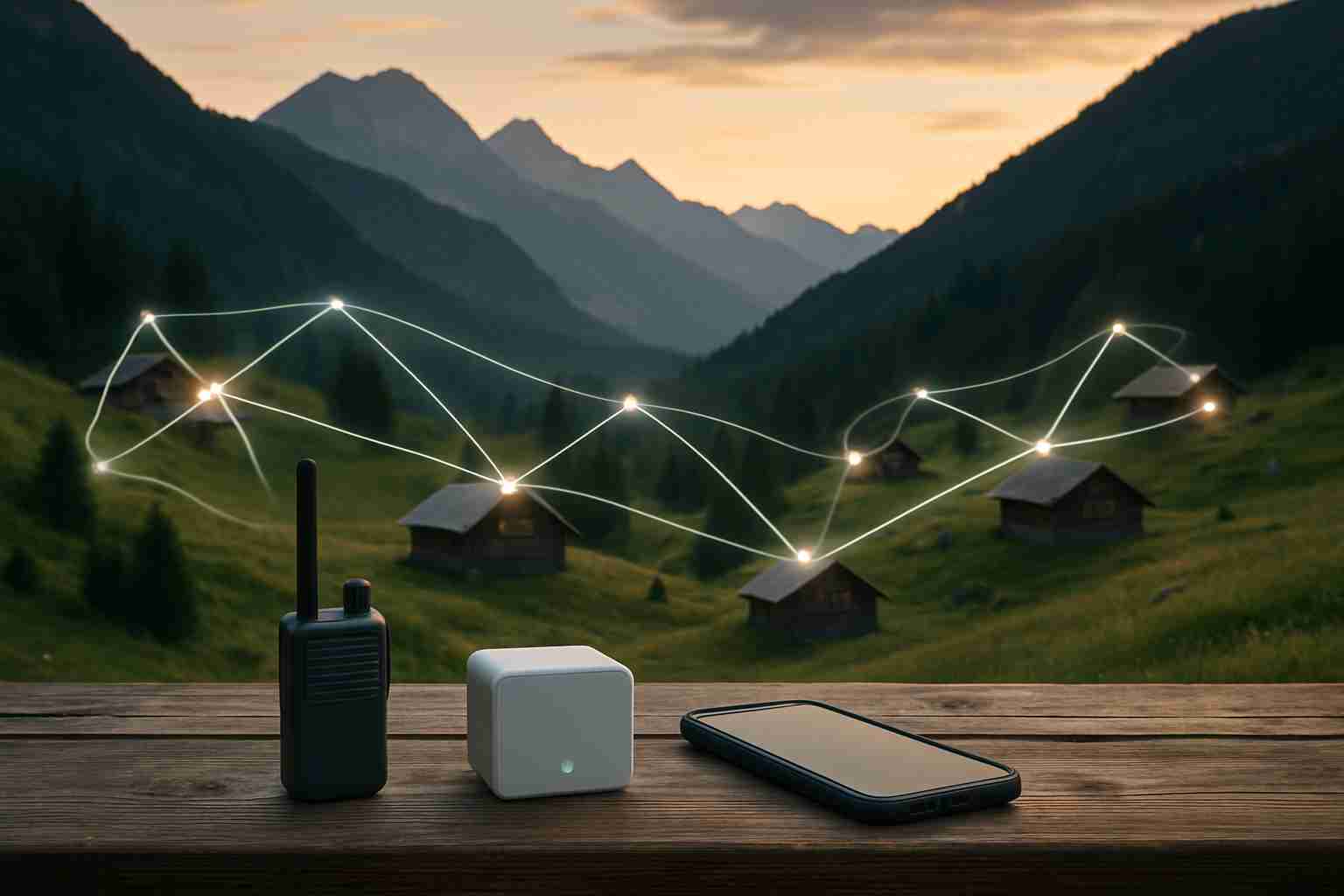
When contrasting LoRaWAN with alternative Internet of Things networking services like NB-IoT and Zigbee, distinct differences quickly become apparent. For extended-range IoT connectivity, LoRa technology delivers remarkable far-reaching IoT communication, which is essential in wide rural or large-scale industrial environments. While NB-IoT provides broad coverage, it generally depends on pre-existing cellular networks that might not be accessible everywhere. Zigbee, conversely, is optimized for short to medium-range communication and performs effectively within dense wireless IoT connectivity services such as smart home networks.
Power consumption is also a key factor that sets them apart. Both LoRa technology and NB-IoT shine due to their low-energy wide area network characteristics, which are critical for devices powered by batteries that require longevity without frequent recharging. On the other hand, Zigbee tends to consume more energy, making it less suitable for environments with tight energy constraints.
When it comes to deployment expenses, LoRaWAN stands out by operating over unregulated spectrum, substantially lowering costs. NB-IoT, although generally affordable, may demand extra infrastructure outlays. Zigbee’s cost efficiency in small-scale networks can rise considerably as the network expands. Each platform excels in its domain: LoRaWAN fits well with intelligent farming solutions and urban planning, NB-IoT is ideal for remote and challenging terrains, while Zigbee thrives in concentrated smart environments. Collectively, they enhance IoT network solutions by increasing resilience and adaptability.
Future Prospects of LoRaWAN and LPWAN Technologies
Looking forward, the trajectory for LoRaWAN and LPWAN technology within the IoT domain promises substantial expansion. These networks will benefit from upcoming technological innovations that aim to overcome existing challenges while broadening their use across multiple industries. Significant focus in ongoing research on LoRa technology is on enhancing data protection, improving network scalability, and lowering latency, thereby strengthening their significance in fostering intelligent, interconnected environments.
Their future applications are likely to extend into intelligent farming solutions, urban IoT solutions for more effective resource utilization, and remote patient monitoring IoT in healthcare. The advantages of LPWAN in IoT are becoming more widely acknowledged, especially in scenarios where installing infrastructure is either sparse or financially burdensome.
Efforts in research and development continue to incorporate artificial intelligence for LoRaWAN optimization and machine learning to further refine network efficiency. These technological advances will not only resolve operational obstacles but will also magnify LoRa technology’s potential across diverse innovative implementations. As a result, LoRaWAN system design and LPWAN technology are expected to play an increasingly vital role in IoT, delivering more versatile and resilient Internet of Things networking services.
Conclusions
The future of Internet of Things networking services is being significantly influenced by LoRaWAN and LPWAN technology. By enabling extended-range IoT connectivity with minimal power consumption, they open doors to innovative smart applications across various industries. As these systems evolve, they are certain to inspire a wave of new IoT communication platforms, advancing global connectivity and the integration of emerging technologies.