



In a time when connectivity is essential, the need for dependable communication—even when off the grid—has become increasingly important. By integrating LoRa technology with cutting-edge solutions such as Meshtastic devices, off-grid mesh networking creates a secure, distributed communication platform. This article delves into how these innovations support a robust communication infrastructure that functions independently of conventional networks.
The Evolution of Off-Grid Mesh Networking
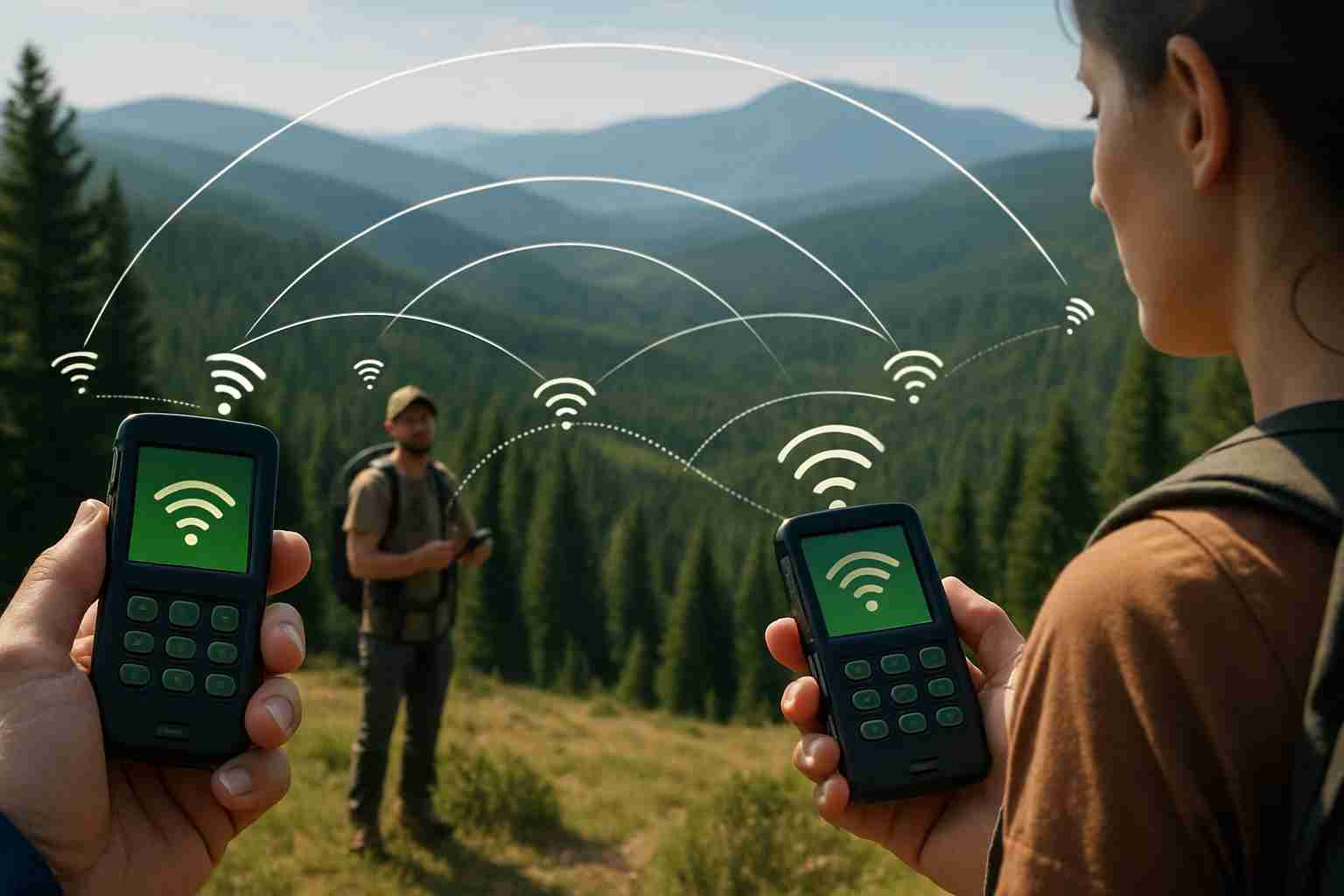
Within a realm traditionally ruled by centralized frameworks, mesh networking for off-grid communication has become a pivotal catalyst driving the shift toward distributed communication networks. The groundwork for today’s mesh networks was laid by breakthroughs in self-configuring wireless networks, which have fundamentally transformed communication methods in isolated or catastrophe-affected regions. Initially, mesh network projects concentrated on linking computers over short distances, gradually evolving into sophisticated systems adept at adapting to varied and fluctuating environments.
These pioneering networks functioned on the concept of nodes exchanging information directly, bypassing any central authority, thereby hinting at the promise of robust communication systems that are both adaptable and enduring. Progress in technology over the years has improved their dependability and performance, facilitating data transmission across longer ranges while preserving connection stability.
Currently, mesh networks thrive in specialized domains such as mesh networking for off-grid communication, ensuring uninterrupted connectivity during crises or in difficult terrains. By leveraging state-of-the-art protocols and innovations—some discussed in later sections—these modern mesh networks deliver secure and scalable communication solutions, excelling when conventional networks falter, and underscoring their vital presence within the continually advancing technology sphere.
Understanding LoRa Technology
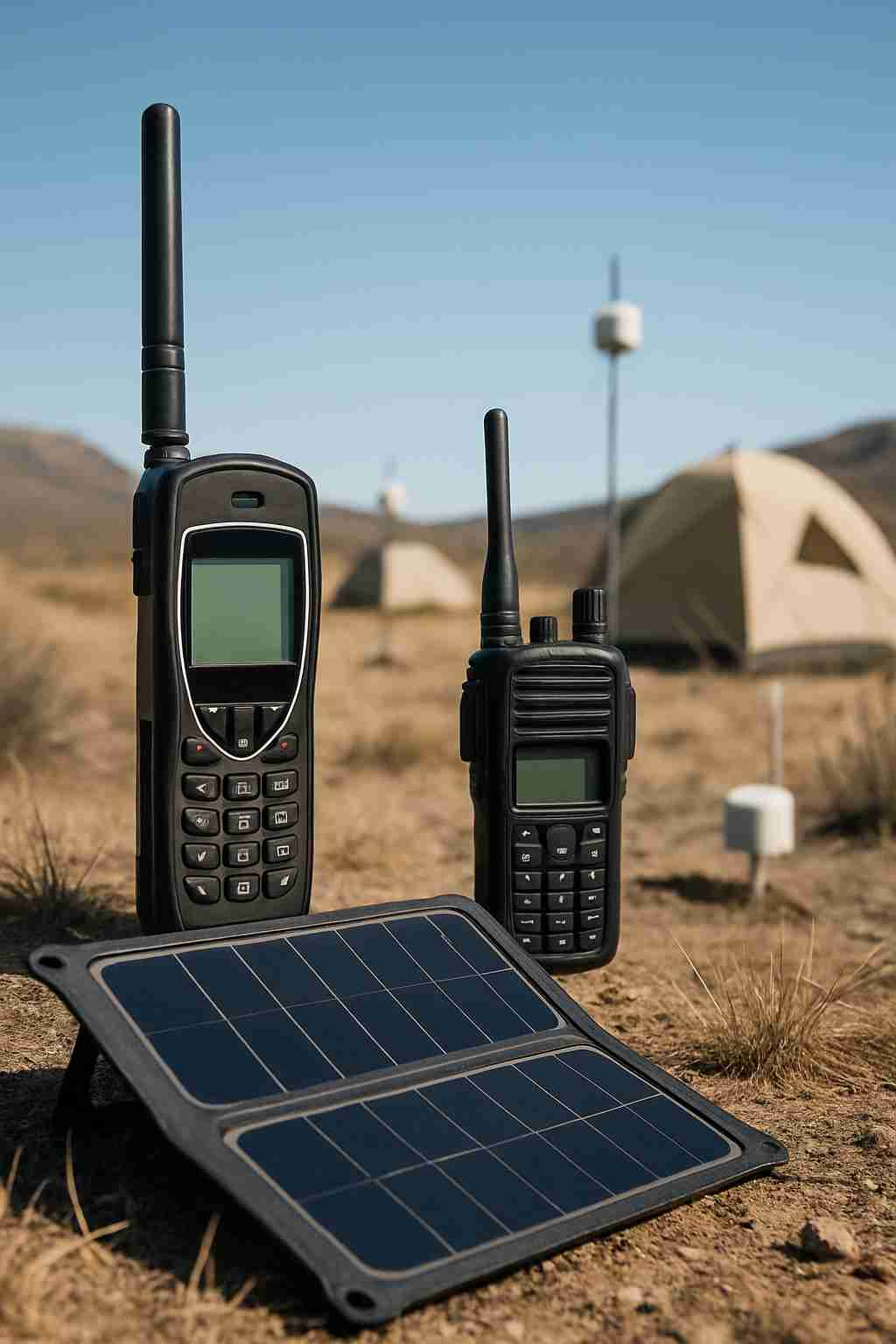
LoRa technology is distinguished in the realm of mesh networking for off-grid communication by its remarkable ability to facilitate extended-range wireless transmission without depending on the internet. Operating as an energy-efficient wide-area network, LoRa is engineered to sustain connectivity across distances exceeding 10 kilometers while optimizing power consumption—an essential aspect for gadgets deployed in isolated locations. This power-saving design enables devices to last for months or even years without battery replacement.
Grasping the difference between LoRa and LoRaWAN is vital. While LoRa functions as the physical layer protocol that transmits signals over long distances, LoRaWAN acts as the network protocol, overseeing higher-level functions like message routing, ensuring network protection, and managing data flow. Together, these protocols create a dependable framework for building expansive communication networks that operate independently of conventional internet infrastructure.
The true strength of LoRa lies in enabling distributed communication networks. Unlike standard networks reliant on infrastructure such as cellular towers, LoRa and LoRaWAN integrate effortlessly with mesh networking for off-grid communication systems. Their capacity to work independently proves invaluable during emergency situations or in secluded regions, providing connectivity when traditional networks become unavailable.
Meshtastic Devices: Bridging Gaps in Communication
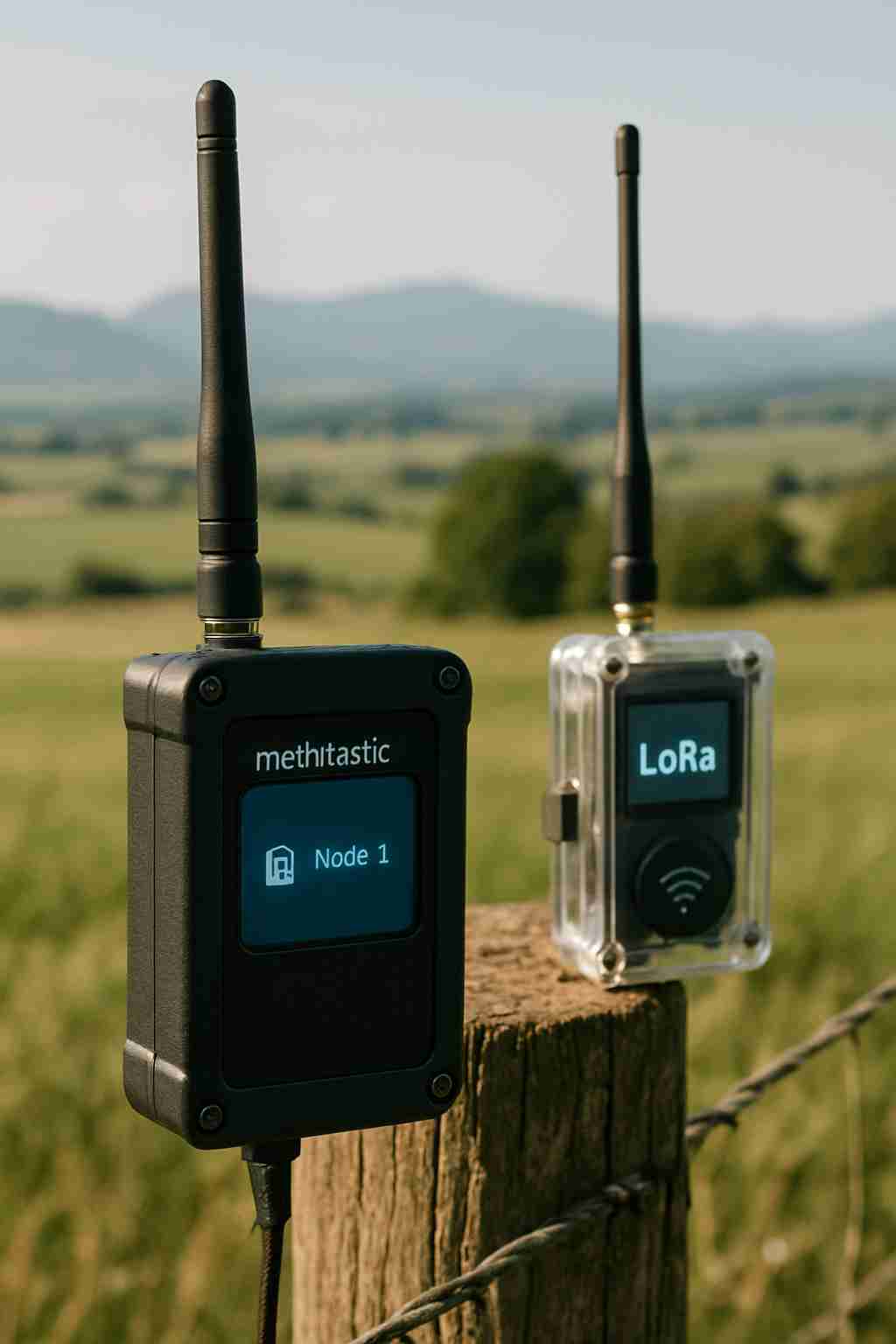
Harnessing LoRaWAN mesh architecture, Meshtastic devices mark a notable leap forward in mesh networking for off-grid communication. Built for intuitive use, these gadgets excel at forming distributed communication networks where conventional systems can’t reach. Setting up a Meshtastic device takes little technical know-how, enabling rapid deployment in remote or emergency settings.
Focused on building fault-tolerant communication technology that performs well in disaster-stricken or rural areas, these units integrate smoothly with smartphones, extending communication range without the need for cellular networks or internet access. This proves essential when natural catastrophes disrupt regular infrastructure, helping first responders coordinate seamlessly.
Users praise Meshtastic device capabilities for their reliability and ease of use. Many testimonials recount how these LoRa mesh communication devices maintained vital contact during wildfires or off-grid living situations, protecting communities by preserving crucial communication links. By closing communication voids, Meshtastic remains a trusted solution for those valuing security and connectivity in standalone messaging systems. Our next focus will be on safeguarding these mesh networking for off-grid communication frameworks.
Ensuring Security in Off-Grid Networks
When it comes to guaranteeing security within off-grid mesh networks such as mesh networking for off-grid communication, employing strong encryption protocols is absolutely critical. These distributed communication platforms function without relying on conventional infrastructure, which places them at risk of potential security breaches. Leading companies like MeshCore and Meshtastic set the standard by applying advanced encryption measures to protect user privacy and maintain data integrity. Utilizing advanced encryption standards (AES), they secure information as it passes through the network nodes, effectively blocking unauthorized access.
MeshCore combines multiple layers of encryption techniques—both symmetric and asymmetric—to shield communication at every phase, guaranteeing that only designated recipients can decrypt the transmissions. This method, along with regular key rotation, strengthens the network’s defenses against interception.
By integrating LoRa technology for long-range wireless communication, Meshtastic devices implement device authentication protocols that verify user identities, thereby boosting user privacy and lowering spoofing threats. These devices ensure confidential transmission paths, preserving privacy even over extended distances.
Implementing strategies like end-to-end encryption alongside routine security assessments further supports the system’s security architecture. This unwavering commitment to protection confirms that mesh networking for off-grid communication remains a trustworthy solution for applications such as disaster preparedness and remote environments.
Future Prospects of Long-Range Mesh Networks
Significant potential lies ahead in mesh networking for off-grid communication, with advances in various industries poised to benefit greatly. As the efficiency of these networks improves, we expect devices to integrate more smoothly with current infrastructures, simplifying connectivity like never before. One key area of growth is the scalability of these distributed mesh networks. Imagine systems that not only grow effortlessly but also sustain strong performance in remote or hard-to-access locations. Transforming environments—from expansive farming lands to busy smart cities—these reliable communication frameworks will enable AI-powered applications to boost both safety and productivity.
Looking to the future, interoperability across diverse device types promises to reduce present compatibility issues, fostering a highly interconnected, unified network. With ongoing technological progress, seamless integration of AI and IoT mesh connectivity can further enhance mesh networking for off-grid communication. Through predictive analytics and automated system oversight, these networks’ dependability and coverage can reach new heights, becoming vital for autonomous crisis communication and remote operations. While challenges remain, the unfolding capabilities of long-range distributed communication networks signal considerable improvements in operational efficiency and quality of life across many sectors.
Conclusions
Utilizing technologies like LoRa and devices such as Meshtastic, off-grid mesh networking marks a notable advancement toward achieving protected autonomous communication over long distances. Communities are empowered, disaster response is improved, and a variety of pioneering applications are supported thanks to the capacity for effective communication without relying on conventional infrastructure. As this field advances, the scope of its applications and the advantages it offers will continue to grow, further establishing its importance in our interconnected world.