



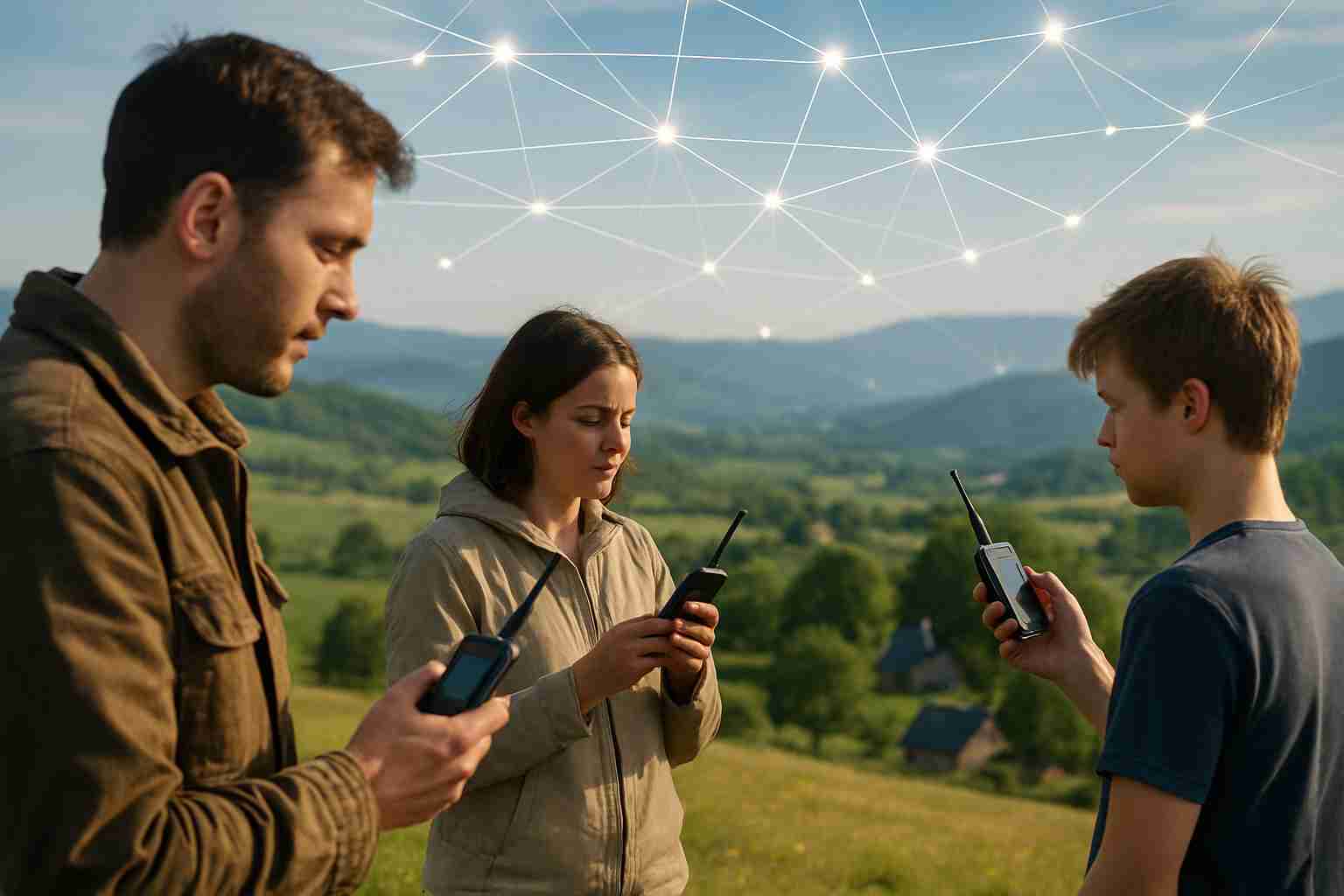
In a world where staying connected is essential, technologies such as Meshtastic, LoRa, and mesh networking standards are transforming autonomous communication platforms. These groundbreaking tools facilitate wide-area wireless messaging effortlessly, bypassing conventional infrastructure and unlocking revolutionary possibilities for daily use and critical communication infrastructure alike.
Understanding Meshtastic and Its Role in Off-Grid Communication
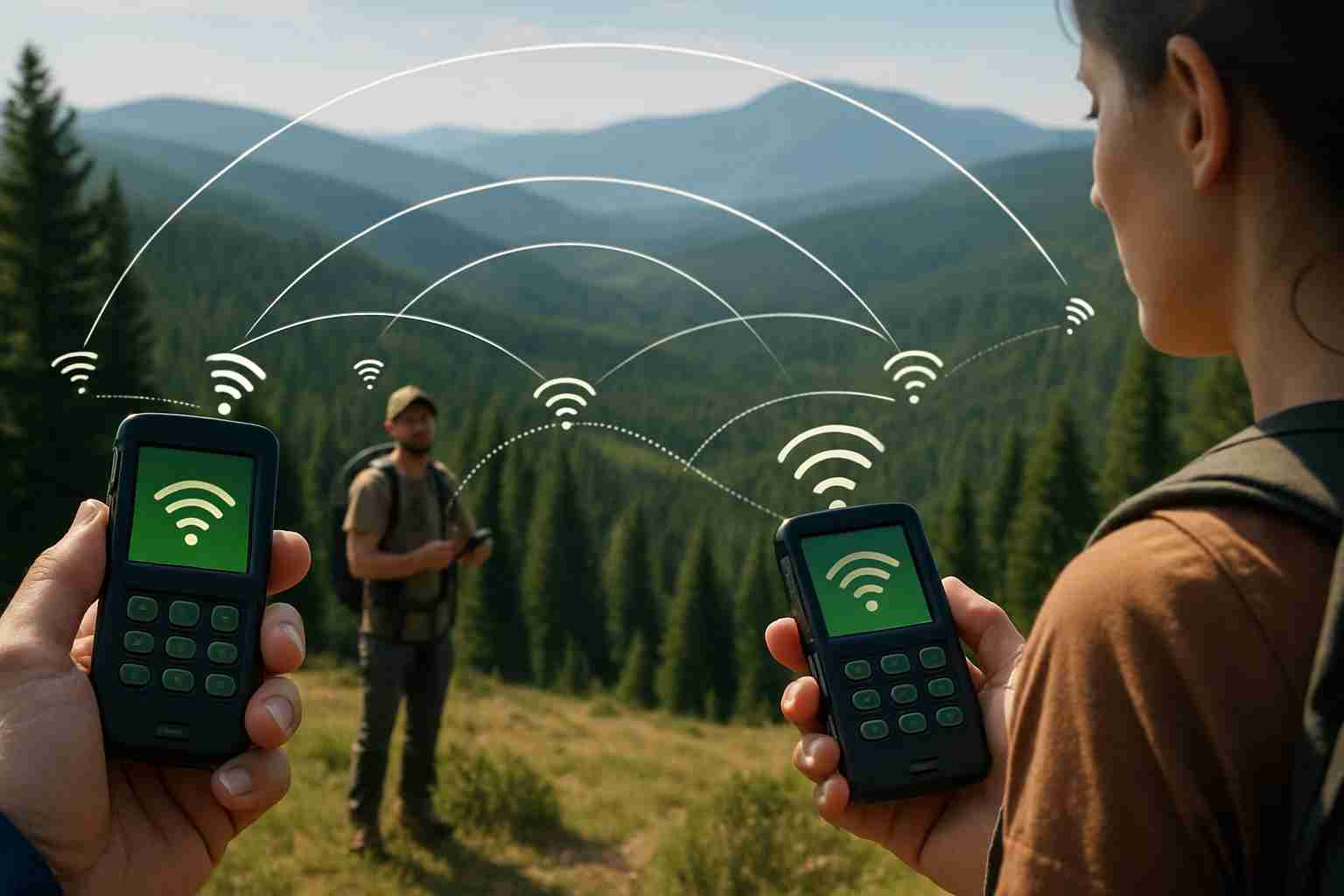
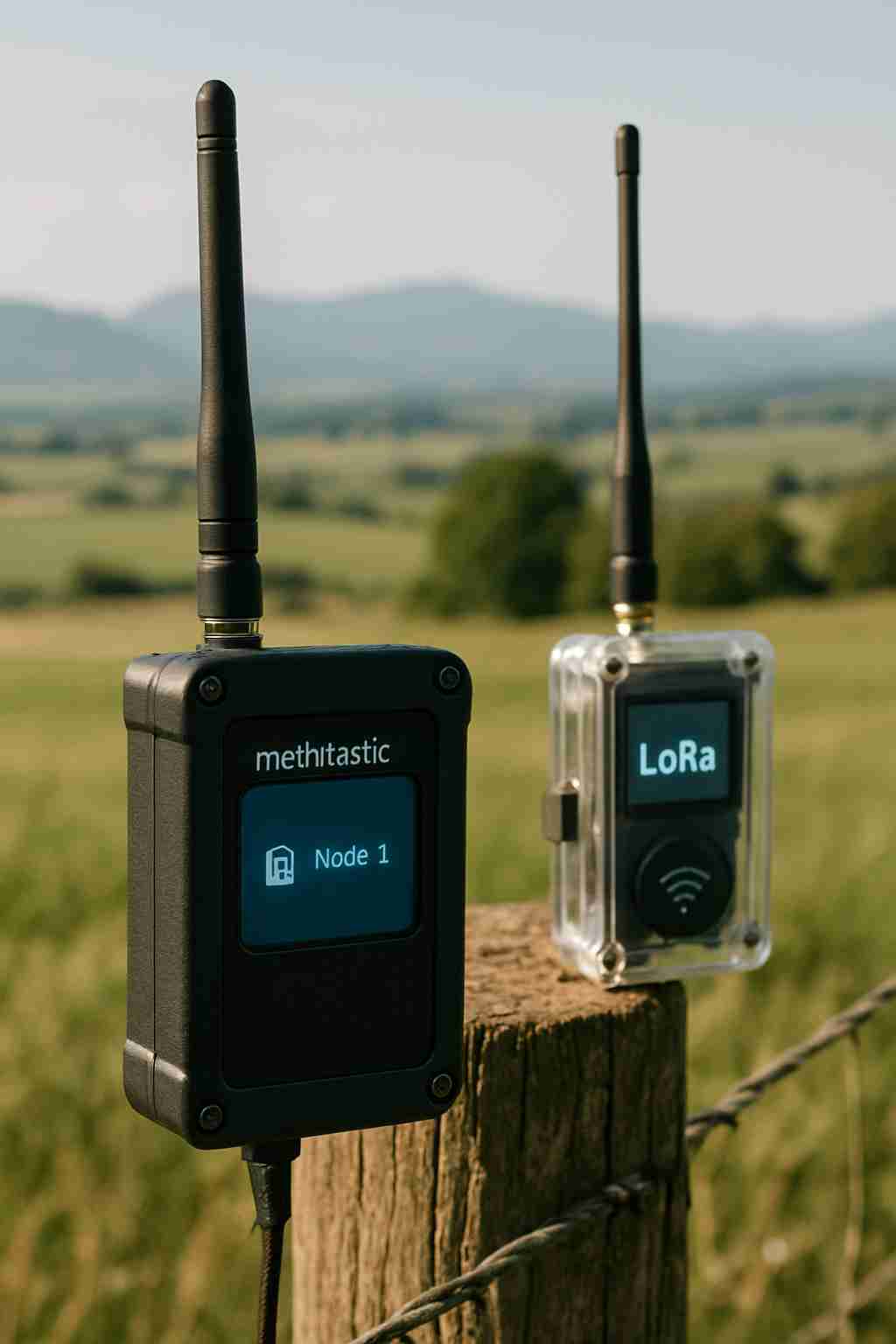
Meshtastic is a significant innovation in autonomous communication technology, designed to link users effortlessly through open-source platforms. It was initially created to fill the void where conventional infrastructure fails, allowing users to establish mesh networks by employing wireless mesh communication protocols over vast distances. Central to Meshtastic’s function is the meshtastic lora radio, which facilitates text and data exchange across large expanses without depending on cellular coverage.
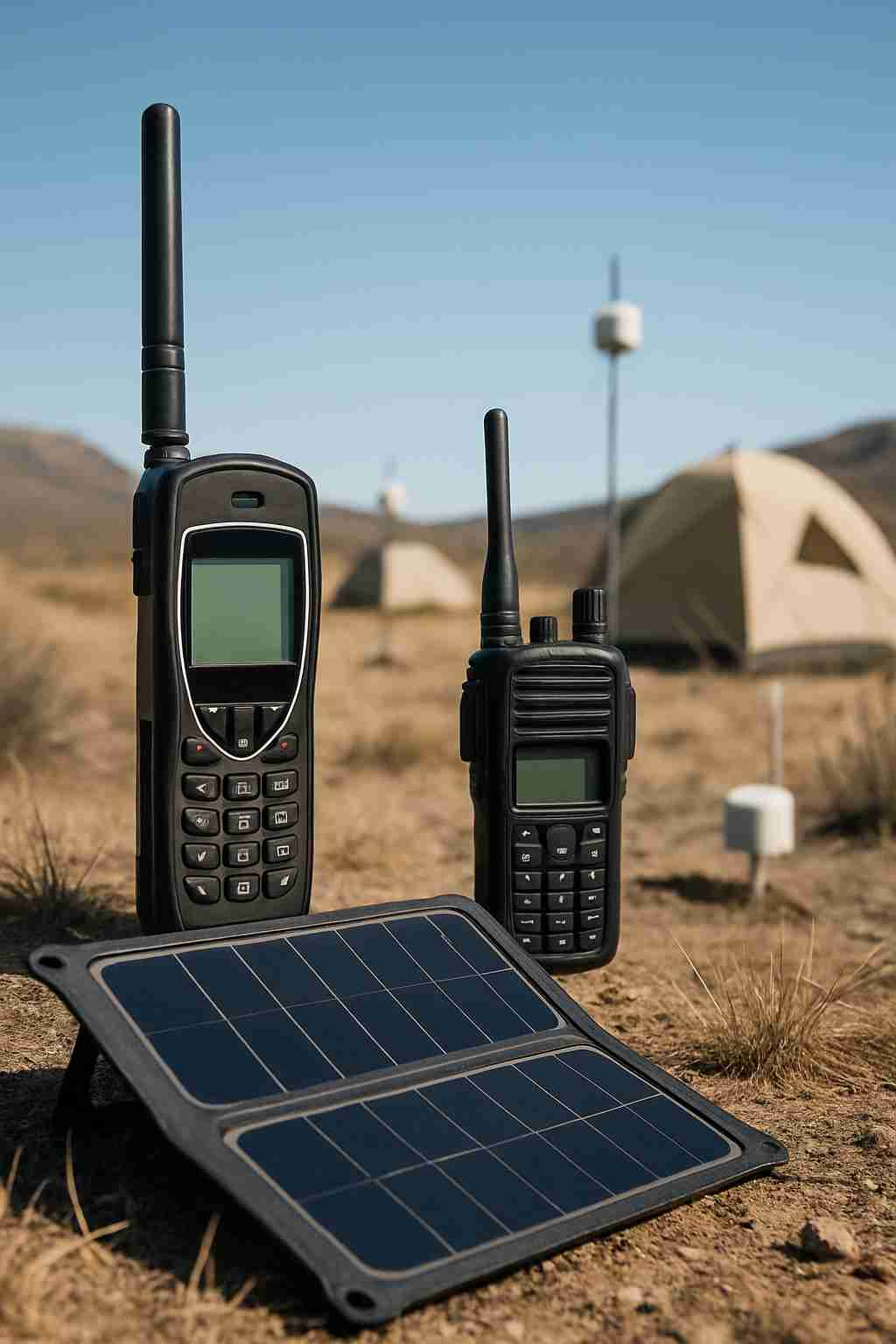
Its use proves invaluable in a variety of contexts—from remote adventures to crisis communication systems. When traditional networks are compromised during disasters, Meshtastic enables unbroken communication, supporting smooth coordination of rescue efforts. The Mars Society’s adoption for analog astronaut communication during simulated space missions highlights its dependability and adaptability.
By interlinking devices into a fault-tolerant wireless network, Meshtastic overcomes geographical limits, making remote communication more approachable than ever before. Equipped with wide-area wireless messaging capabilities and decentralized messaging infrastructure, it offers a sturdy platform that adjusts to user requirements. Whether traversing rugged landscapes or navigating outer space challenges, the meshtastic lora radio guarantees uninterrupted connectivity, presenting a vision of the future in self-sufficient communication networks.
How LoRa Technology Facilitates Long-Range Communication
The Meshtastic project relies heavily on LoRa technology, which plays a crucial part in its operation and success. Originating from the term “long range,” LoRa utilizes a radio modulation method that supports efficient, low-energy, wide-area networking. This makes it a core technology behind decentralized communication technology such as the meshtastic lora radio. It proves especially useful in IoT scenarios where geolocation accuracy and power conservation are vital. By functioning within sub-gigahertz frequencies, LoRa can transmit signals across multiple miles even under difficult and isolated conditions. These traits make it ideal for asset tracking, allowing devices to stay connected across vast distances while minimizing power use and extending battery longevity.
In the realm of smart farming, LoRa facilitates uninterrupted data transmission from sensors in the field, aiding farmers in tracking factors like soil moisture without relying on traditional power sources. Likewise, smart city implementations harness LoRa to assist with infrastructure oversight and public services, as connected devices can communicate efficiently over expansive areas while using minimal energy. Meshtastic leverages LoRa to build durable communication pathways, transforming off-grid connectivity through its meshtastic lora radio, which bolsters network durability and enhances the capabilities of mesh networks.
The Advantages and Topologies of Mesh Networking
Mesh networking offers a flexible and resilient approach to sustaining connectivity, especially vital in environments lacking traditional infrastructure. Rather than depending on centralized servers or hubs as with standard network topologies, wireless mesh networks thrive on their decentralized design, enabling every node to serve simultaneously as a router and a host. This arrangement boosts reliability; when one connection drops, the others automatically compensate, maintaining uninterrupted communication.
The efficiency of mesh networks is particularly evident with meshtastic lora radio, which manages network traffic adeptly and adjusts instantly to shifts in active device numbers or network dynamics. This capability for self-configuration reduces the need for manual setup while conserving power, making it perfectly suited for standalone communication devices like Meshtastic. By combining the durability of mesh networks with innovations such as meshtastic lora radio, users gain reliable, wide-reaching wireless messaging, unlocking connectivity in even the most isolated locations without relying on conventional networking frameworks.
Decentralized Messaging: Overcoming Connectivity Limitations
In today’s world, where maintaining connectivity is essential, adopting distributed communication systems proves vital for dependable messaging. Unlike conventional networks dependent on central servers, decentralized platforms such as meshtastic lora radio provide freedom from traditional infrastructure constraints. These advancements enable communities to communicate even when networks fail or in isolated environments. Bitchat, for instance, utilizing Bluetooth Low Energy (BLE) to establish mesh-based communication, highlights what these technologies can achieve. By building self-reliant networks, they guarantee secure message delivery without censorship.
Solutions like meshtastic lora radio enhance privacy and durability, which are crucial for those operating in restricted or off-grid environments. These platforms not only withstand network interruptions but also allow transmitters to convey data across vast distances with low power consumption. This combination of decentralization and efficiency offers a promising avenue for secure, unmonitored communication. As challenges with standard network access persist, these innovations play an increasingly important role in shaping a more resilient and decentralized digital future.
Practical Applications and Future Prospects for Off-Grid Communication
Within the realm of off-grid communication, technologies such as meshtastic lora radio have demonstrated remarkable potential. These standalone communication tools play a crucial role in delivering connectivity to remote areas where conventional networks are unavailable. By leveraging low power, extended range wireless communication driven by LoRa (Long Range), they facilitate messaging that bypasses centralized infrastructure, proving essential for users facing internet censorship or residing in disaster-affected zones.
Communities utilizing meshtastic lora radio sustain communication across large distances without dependence on cellular networks. This is possible via a mesh network, where each device functions as a node capable of forwarding messages to other nodes, enabling decentralized and resilient communication channels.
As this technology advances, ongoing enhancements in hardware and protocols will boost the capabilities and coverage of these devices. Upcoming versions might introduce longer battery life, greater data throughput, and improved integration with existing technologies. These developments will not only increase accessibility but also strengthen the durability of global communication systems, supporting both daily communication needs and emergency response efforts.
Conclusions
Mesh networking, LoRa, and Meshtastic are at the forefront of autonomous connectivity solutions that maintain communication when traditional networks break down. Recognizing these technologies highlights their essential contribution to building robust communication infrastructures. As these systems advance, they are expected to further improve our capacity to remain linked across varied and difficult terrains, boosting both daily interactions and crisis communication systems.