


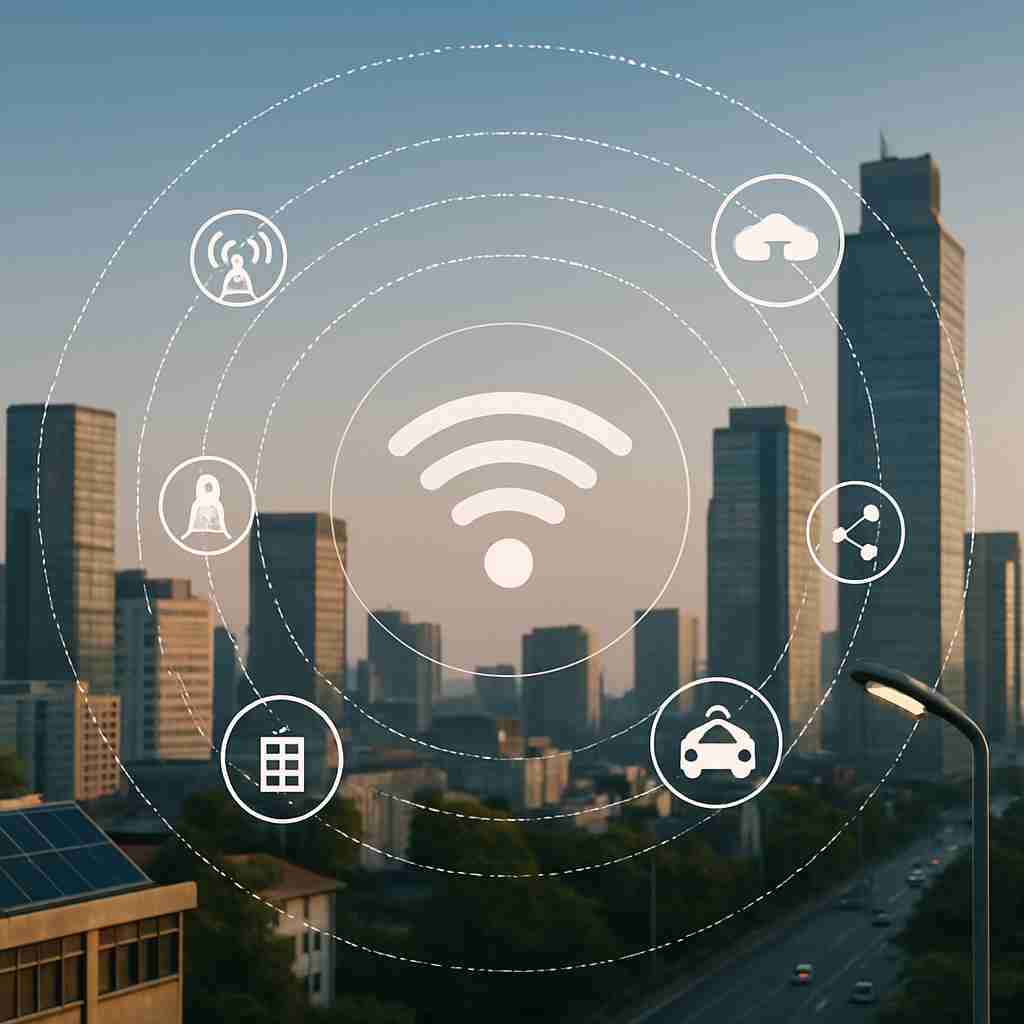
As metropolitan regions expand, the need for advanced city connectivity solutions that are efficient, dependable, and capable of wide coverage grows significantly within smart urban environments. Technologies such as LoRaWAN and LPWAN technology are crucial, providing the Internet of Things networking services necessary for eco-friendly city planning, optimizing urban resources, and improving residents’ quality of life. This article explores how these next-generation smart city networking platforms could influence the development of tomorrow’s cities.
The Role of Long-Range Communication Technologies in IoT
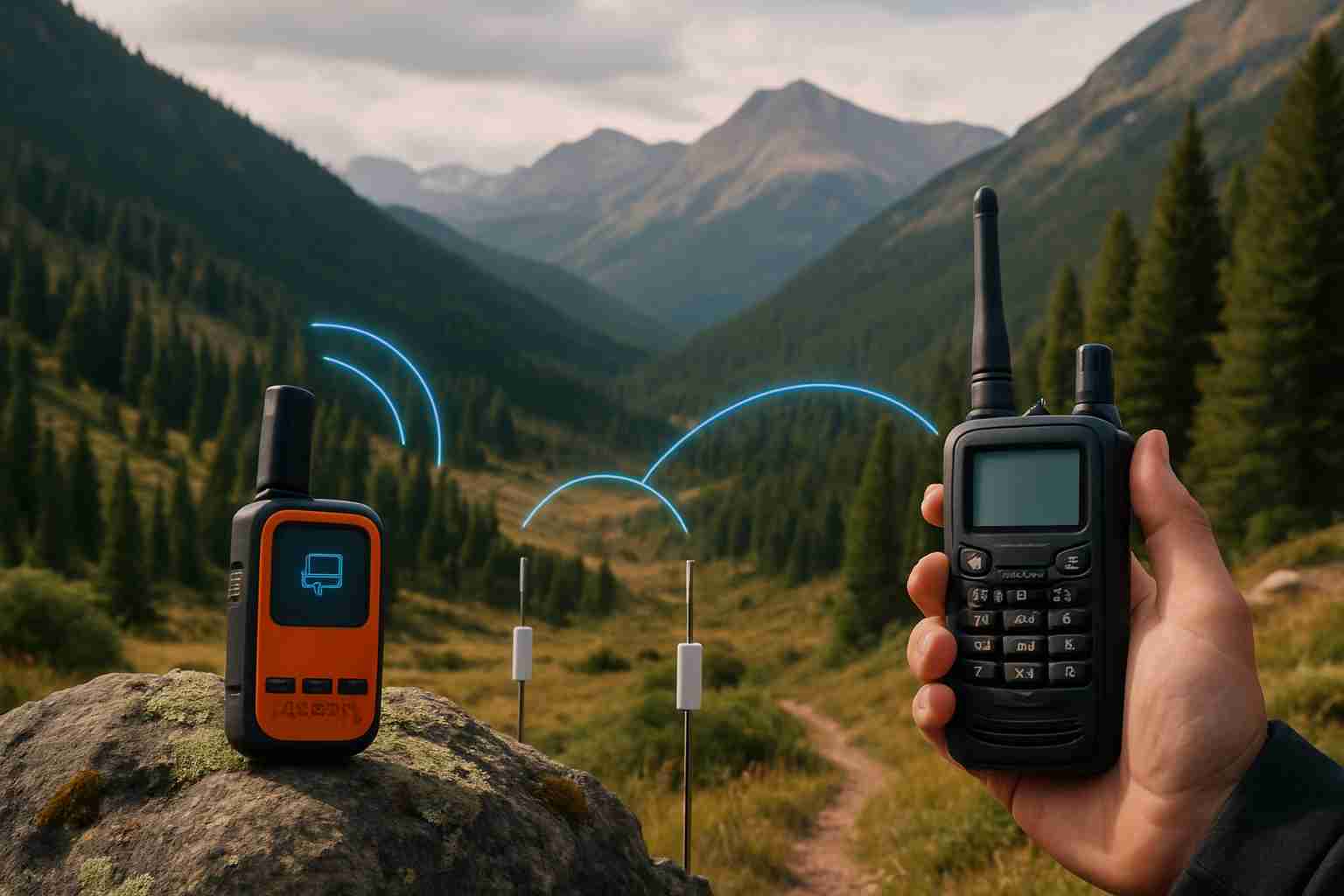
Within the scope of urban innovation, long-range communication systems such as LoRa and LPWAN are essential for delivering Internet of Things connectivity services. These technologies cater to vast metropolitan areas while prioritizing minimal energy usage—a vital attribute considering the densely populated cityscapes. By guaranteeing extensive coverage across wide regions, they allow numerous urban devices to perform reliably with low power consumption. This advancement significantly impacts smart city IoT platforms where energy conservation and broad connectivity remain critical.
Practically speaking, implementing LoRa and LPWAN technology in citywide IoT deployments enables smooth data exchanges for a variety of equipment, ranging from environmental monitors to eco-friendly streetlight solutions. Integrating diverse smart devices into a single centralized control framework improves urban planning and operational efficiency. Thanks to long-range communication, municipal authorities can manage infrastructure seamlessly, supporting efficient public services and agile governance. As cities advance into sophisticated, interconnected ecosystems, this communication foundation becomes indispensable for thriving in an increasingly digital era.
Understanding LoRaWAN and Its Application in Smart Cities
LoRaWAN, a core player in low-energy wide-area network technology, excels at supporting Internet of Things connectivity services across expansive urban environments. Its carefully crafted design allows devices to transmit data over several kilometers while using minimal energy. This strength is rooted in its distinct layered structure—composed of end nodes, gateways, network servers, and application servers—ensuring seamless data flow with low bandwidth demands. In smart metering scenarios, for instance, LoRaWAN facilitates effective data transfer from numerous meters spread throughout a city, enhancing intelligent resource administration for urban areas effortlessly. It also revolutionizes urban waste handling, where IoT-enabled waste sensors installed in trash containers leverage long-range communication to alert collection teams as bins approach full capacity, significantly boosting operational efficiency. Similarly, traffic management sees improvements as interconnected sensors provide continuous live traffic sensor information across broad regions, promoting smoother vehicle movement and easing congestion. By harnessing long-range communication, LoRaWAN substantially extends the scope of smart city IoT platforms, delivering a scalable and resilient solution that adeptly addresses the intricacies of modern metropolitan settings and ushers in a new era of connectivity and operational effectiveness.
The Dynamics of Low-Power Wide-Area Networks
Low-energy wide-area network (LPWAN) technology plays a vital role in building intelligent urban communication systems, combining extensive coverage with minimal power usage, which is essential for Internet of Things connectivity services. By transmitting data efficiently over large metropolitan landscapes, these networks enable long-range communication while significantly extending the battery life of connected equipment. Unlike conventional technologies such as Wi-Fi or cellular networks, LPWAN technology focuses more on conserving energy and maintaining connectivity rather than maximizing bandwidth.
This characteristic makes low-power extensive network particularly ideal for scenarios where massive data transfer is unnecessary but dependable reach and stability are critical — consider applications like high-efficiency public lighting, smart parking systems, and environmental monitoring sensors. Protocols such as LoRaWAN and Sigfox are widely adopted, each tailored to distinct metropolitan IoT infrastructures. While LoRaWAN excels in environments demanding adaptable network structures and greater capacity, Sigfox offers a simpler setup with its streamlined, resource-efficient methodology.
Cities across the globe have embraced these advanced smart city connectivity solutions, deploying LPWAN-enabled urban IoT solutions to boost eco-friendly city planning, operational effectiveness, and citizen services. Exemplary urban centers like Barcelona and Singapore highlight the worldwide dedication to seamless, environmentally sustainable urbanization, setting an example for other locales aiming to unlock the full potential of IoT through innovative long-range communication.
Advancements in Wireless Communication Technologies for Smart Cities
In smart metropolitan communication infrastructure, wireless communication technologies serve as the foundation for cutting-edge urban innovations. Together, cellular networks, Bluetooth, and Wi-Fi facilitate smooth connectivity throughout cities, underpinning vital services like telemedicine, smart grids, and public safety frameworks. Wi-Fi ensures fast connectivity that supports data-intensive operations, enabling timely information access and sharing. On the other hand, Bluetooth is suited for short-range, low-energy links, perfect for personal devices such as wearable health trackers and small sensor arrays that empower urban connected device solutions.
Cellular networks, notably the advanced 5G-powered smart city services, provide wide coverage and substantial bandwidth, essential for dependable city-scale connections serving both commercial and residential needs. When these technologies integrate with long-range communication frameworks such as LoRaWAN, they guarantee pervasive connectivity, facilitating efficient device interaction while minimizing power use. This synergistic network is indispensable to deploying smart city IoT systems at scale, delivering robust, scalable, and highly efficient data flow across diverse metropolitan landscapes. By combining these advanced metropolitan connectivity solutions, smart cities can overcome complex challenges, ushering in an era of efficient, connected, and eco-friendly urban living.
Innovative Smart City Applications Fueled by IoT Connectivity
Around the globe, cities are adopting Internet of Things connectivity services to revolutionize conventional urban landscapes into intelligent, efficient ecosystems. Take Barcelona, for example, where the installation of eco-friendly streetlight solutions equipped with smart sensors helps cut energy use by as much as 30%. Similarly, San Francisco leverages IoT infrastructure for waste handling by integrating connected waste detection systems inside bins to alert when they reach capacity, thereby enhancing collection efficiency and lowering urban emissions. Amsterdam’s pioneering smart traffic management system is another example, reducing congestion by dynamically regulating traffic lights with immediate traffic status systems that draw from live traffic sensor information gathered from connected vehicles and surrounding infrastructure. These initiatives demonstrate how IoT communication platforms can address the escalating demands of city populations by boosting intelligent resource administration for urban areas and promoting environmentally sustainable urbanization. Employing long-range communication technologies, municipalities are not only tackling today’s issues but also setting the stage for tomorrow’s advancements. Imagine an entirely connected metropolitan ecosystem where citizens benefit from smart metropolitan communication platforms that anticipate and respond adeptly to their needs, cultivating living environments as adaptable and reactive as their inhabitants. As urban centers continue expanding and changing, long-range communication remains a fundamental element in this transformative journey.
Conclusions
Technologies for long-distance IoT transmission such as LoRaWAN and LPWAN technology play a crucial role in driving the success of intelligent urban communication systems, facilitating effective data transfer throughout metropolitan areas. By utilizing Internet of Things connectivity services enabled by these platforms, urban centers can better optimize resources, improve residents’ quality of life, and tackle city challenges with greater effectiveness. The growing adoption of these advanced smart city connectivity solutions promises a future marked by smarter, greener urban growth.