




In today’s interconnected world, autonomous communication technology serves as a crucial lifeline during crises and in isolated regions. Whether through decentralized mesh networks, satellite telecom systems, or durable outdoor smartphones, these tools guarantee connectivity even when conventional networks collapse. Explore the realm of indispensable standalone communication systems that help maintain our links, regardless of location.
The Importance of Off-Grid Communication
In regions vulnerable to natural calamities or with limited infrastructure, off-grid communication technologies serve as crucial lifelines. When disasters such as floods, hurricanes, or earthquakes occur, they frequently disrupt traditional network connections, isolating communities from external contact. Having an autonomous communication method that doesn’t rely on conventional networks becomes vital, not merely convenient. Sharing real-time information during survival and emergency scenarios—for example, alerting rescue teams, managing supplies, or directing people to safety—is absolutely necessary.
Conventional grid-based communication can be delicate, and the breakdowns experienced during crises highlight the urgent requirement for alternative systems that operate even when standard networks fail. Tools like satellite telecom systems, radio transceivers, and decentralized mesh networks play an indispensable role in bridging these communication voids. Such innovations in portable and personal network devices are making off-grid communication increasingly practical and resilient. This rising demand for self-sufficient networks underscores the importance of this evolving tech, ensuring connectivity stays intact when it counts the most.
Understanding Mesh Network Devices
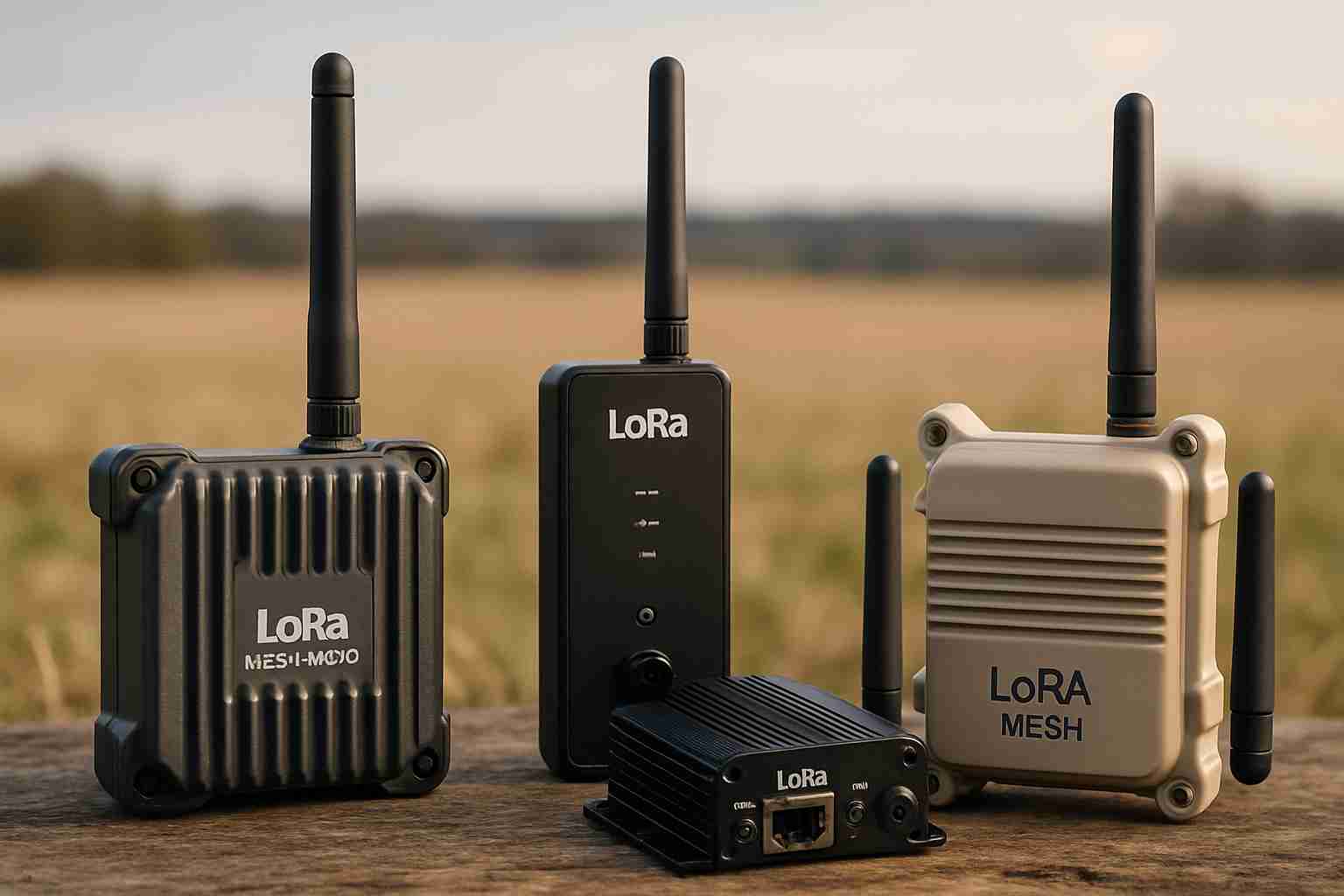
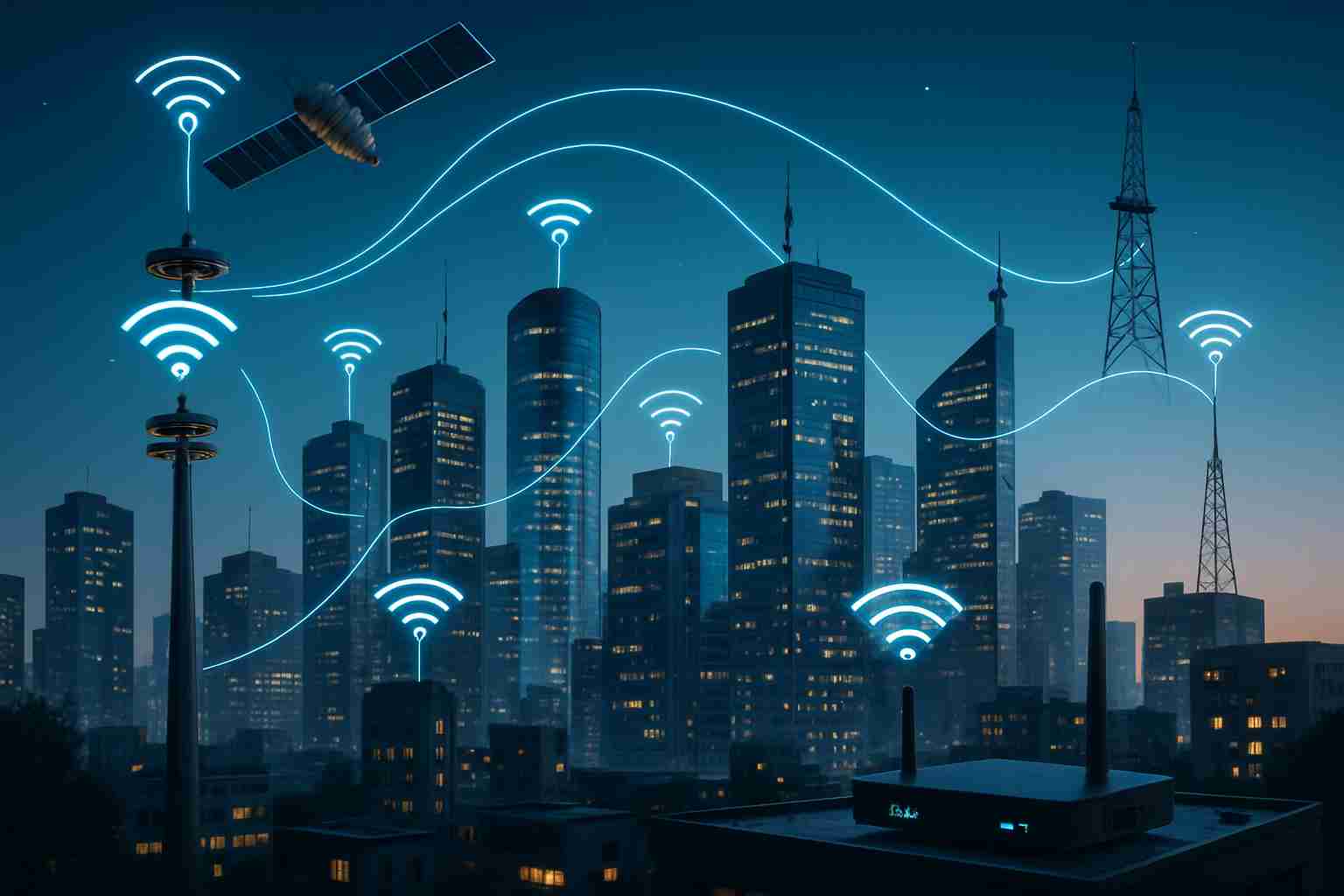
Mesh network devices transform communication by building decentralized, self-managing wireless networks that sustain stable connections, even in demanding settings. Instead of depending on single points of failure such as cell towers, these distributed communication systems relay data across interlinked nodes. Acting as relay hubs, each node forwards information via the most efficient route, ensuring uninterrupted connectivity. This quality makes mesh networks particularly useful for off-grid communication technologies, especially in remote or disaster-stricken locations where infrastructure might be damaged.
From a technical perspective, mesh networks utilize mesh network communication standards like Zigbee or LoRa, offering long-range, low-energy wide-area network equipment suitable for various uses. Examples such as the GoTenna Mesh and Meshtastic platforms showcase devices that allow users to remain linked without relying on cellular coverage. By enabling each unit to directly connect with nearby nodes, coverage areas effectively expand. In urban environments, mesh networks provide consistent Wi-Fi access in tall buildings and extensive apartment complexes. Conversely, in isolated regions, they preserve essential communication channels critical for safety and coordination.
In conclusion, mesh network devices deliver a durable solution for reliable and resilient off-grid communication, becoming indispensable where conventional approaches fail.
Satellite Phones: Staying Connected Anywhere
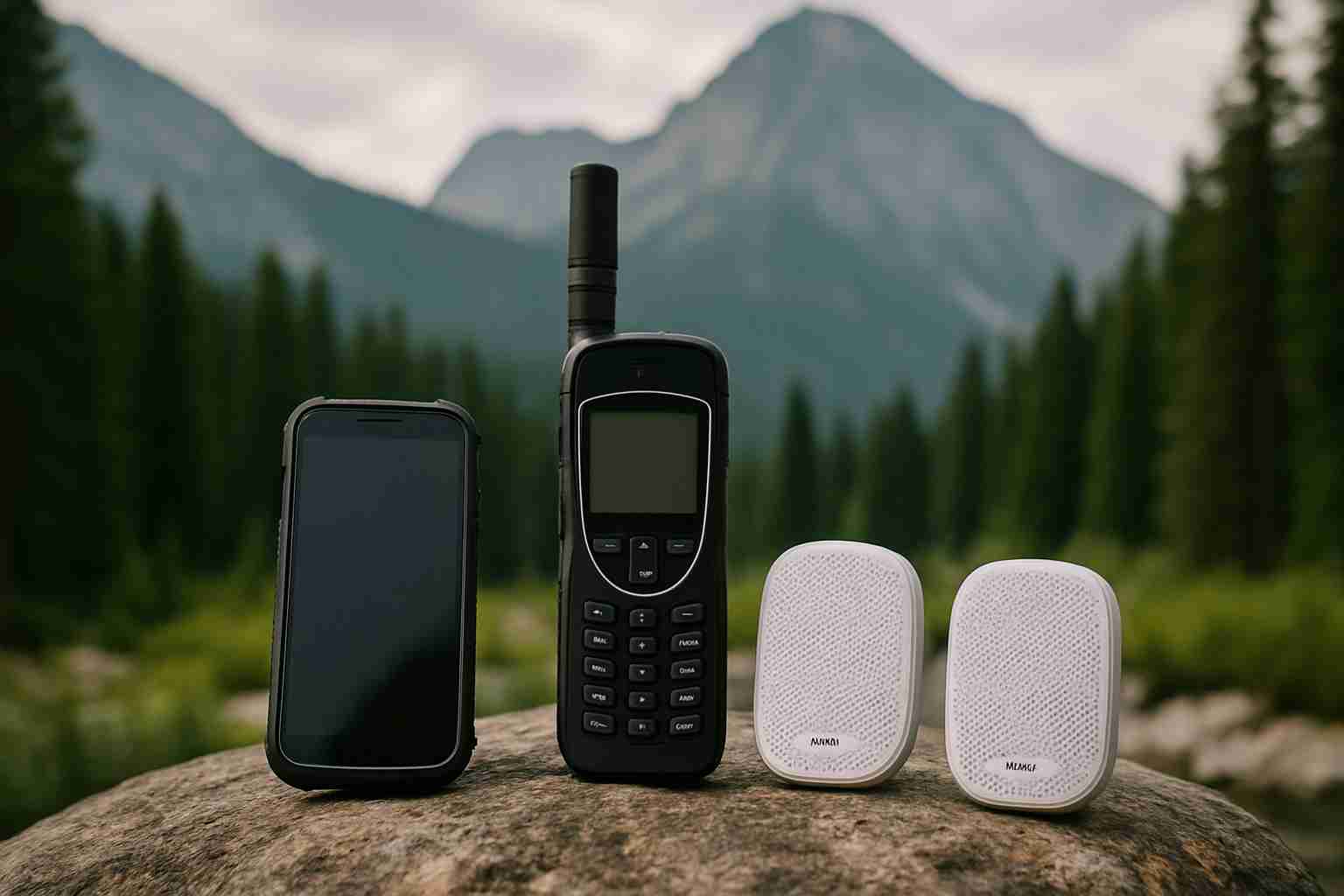
Satellite phones, celebrated for their distinctive capacity to bypass conventional cell towers, link directly to satellites orbiting Earth. This feature enables them to deliver communication services in places where traditional networks are unavailable. In isolated locations, challenging landscapes, or vast oceans, these devices become essential. Unlike cellular phones that rely on local towers, satellite phones provide worldwide coverage, guaranteeing connectivity despite geographical obstacles.
Their dependability and functionality render them vital tools for maritime journeys and outdoor adventures. In disaster zones where infrastructure is damaged, satellite phones act as lifelines, enabling crucial communication for coordination and rescue missions. Such scenarios highlight their value when other communication means fail.
To sustain uninterrupted connections, satellite phones utilize Low Earth Orbit versus geostationary satellites. Equipped with integrated GPS and a sturdy build, they endure harsh conditions. Although they come with a higher initial expense and occasional delays in data transmission, the confidence of reliable connectivity in off-grid communication situations makes them a worthwhile investment. Leveraging space-based communication technology, users access a level of security and connection not achievable with standard mobile gadgets, making them indispensable for emergency responders and modern explorers alike.
Rugged Smartphones for Tough Environments
In challenging conditions where ordinary devices fail, rugged smartphones serve as vital instruments, keeping communication channels active. Crafted with precision to endure harsh surroundings, these robust smartphones prove essential across sectors such as construction, military, and outdoor expeditions. Their hallmark traits include sturdiness and protective designs featuring gorilla glass displays along with shock-protected casings that cushion impacts from falls. Commonly, these phones come as water, dust, and shock-resistant, often carrying an IP68 rating that guarantees operation amid severe weather or dusty environments.
Temperature endurance further defines their durability, with certain models functioning reliably from freezing sub-zero zones to blistering desert climates. Another crucial component is battery longevity; many of these devices offer prolonged battery life or interchangeable power packs, making them indispensable for extended trips or isolated projects lacking immediate charging facilities.
Models available vary from those highlighting precise GPS capabilities—ideal for exploring remote areas—to versions embedding specialized software and strong connectivity, accommodating industries reliant on steady, dependable communication. By enabling uninterrupted off-grid communication, rugged smartphones secure the transmission of critical messages and data, enhancing safety and efficiency in demanding environments. For users and businesses that depend on reliable, durable communication gadgets, these phones fill the connectivity void when conventional networks collapse.
Comprehensive Emergency Communication Systems
Comprehensive crisis communication networks depend on a sophisticated combination of infrastructure and technology to guarantee continuous connectivity during emergencies. Central to these platforms are devices engineered for off-grid communication. Even when traditional networks collapse, these autonomous communication technology tools allow for the transmission of alerts and the preservation of communication flow.
Essential elements consist of satellite emergency communication devices, ham radios, and two-way radios, selected specifically for their capacity to operate without relying on cellular or internet connections. Satellite telecom systems provide an unmatched coverage area by linking directly to satellites, effectively sidestepping terrestrial network interruptions. At the same time, ham radios and two-way radios are highly valued for their durability and efficient performance in isolated regions.
Integration with solar power units and mobile generators ensures these devices remain powered through prolonged blackouts. This critical communication infrastructure also incorporates fail-safe communication infrastructure, boosting overall dependability. Additionally, the inclusion of off-grid communication technology further reinforces these networks. Combined, these components create a trustworthy system that keeps individuals connected, informed, and secure when disaster strikes.
Conclusions
During emergencies and in isolated locations, autonomous mesh networks, satellite telecom systems, and durable outdoor smartphones become indispensable for maintaining connectivity. When conventional networks fail or aren’t accessible, deploying and mastering these off-grid communication technologies enhances our resilience. These critical tools are essential, whether preparing for crises or venturing into the wilderness, ensuring dependable communication beyond the grid.