



In our rapidly moving world, the advancement of communication technology, such as push-to-talk and PoC radio solutions, has transformed how we communicate instantly. Each innovation, from nationwide connectivity networks to durable LTE-enabled communication radios, brings distinct benefits to maintaining dependable and clear contact. This article explores these technologies, assessing their advantages and the possible impact they may have in the future.
The Evolution of Push-to-Talk Communication
The development of push-to-talk radio communication dates back to an era where simplicity and speed in messaging were crucial. At the heart of push-to-talk (PTT) systems is its half-duplex functionality, enabling smooth one-directional communication without the need to dial numbers. Perfect for swift interactions, this technology transformed connectivity, laying the foundation for instantaneous communication across both personal and commercial environments.
Traditionally, push-to-talk radio played a key role in sectors such as construction, security, and transportation, where rapid coordination was critical. Today, influenced by contemporary innovations and the incorporation of internet protocols, its uses have expanded. The flexibility of PTT is evident in its effortless integration with smartphones, evolving into an essential asset for a digitally unified world.
Currently, this adaptable technology extends beyond conventional industries, proving crucial for individual use and enhancing everyday convenience. By merging PTT with smartphones, the enhanced features guarantee we stay interconnected, embodying the technology’s enduring core. This versatility ensures its ongoing importance, cementing its place in rapid communication within our dynamic, connected society.
PoC Radios and their Impact on Modern Communication
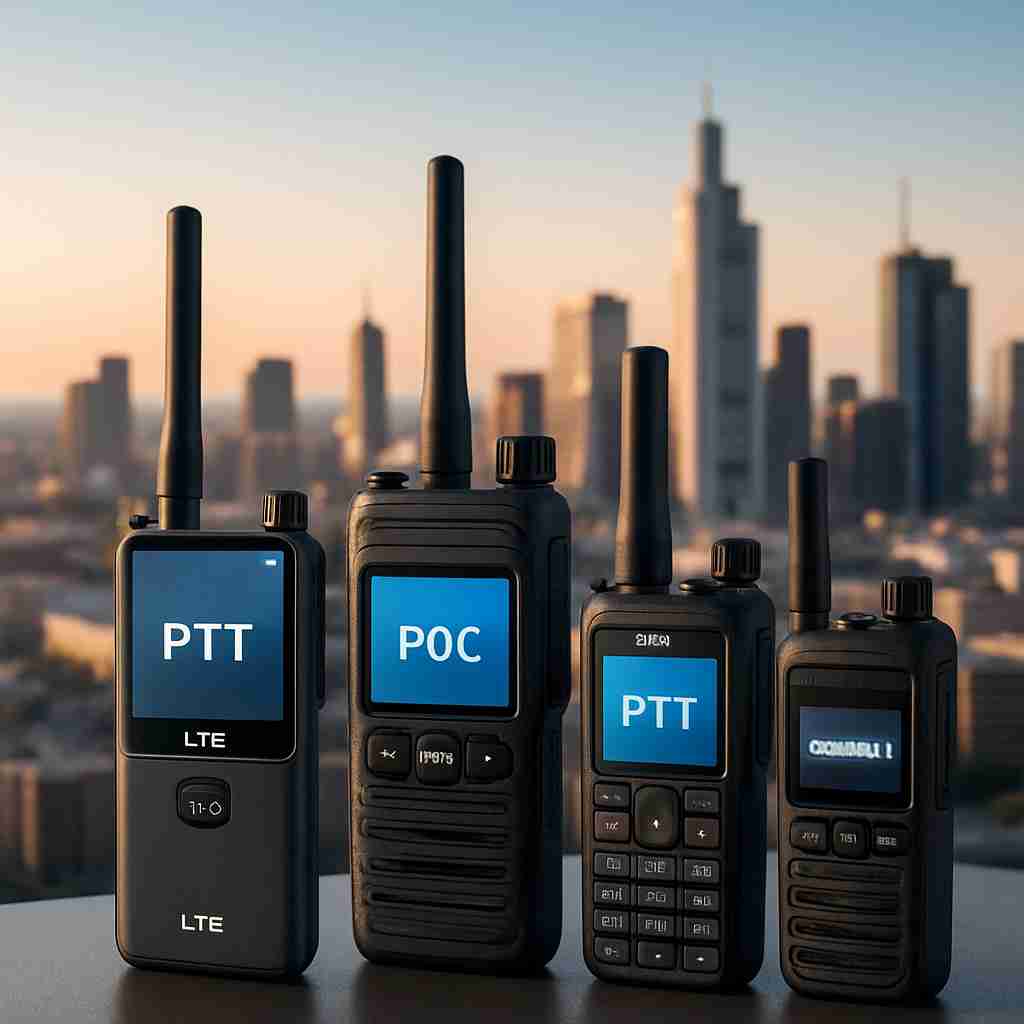
Push-to-Talk over Cellular (PoC) radios represent a cutting-edge evolution of classic two-way radios by leveraging cellular networks to achieve extensive communication coverage. Unlike traditional push-to-talk radio setups that depend on assigned frequencies, PoC radios utilize the existing cellular infrastructure, allowing communication over vast areas without the limitations typical of earlier devices.
This innovation delivers rapid response communication devices that mirror classic PTT’s immediacy but with far greater scalability. Emergency services see considerable advantages, as PoC radios enable first responder communication seamlessly across varied locations, facilitating swift and effective coordination. In the realm of logistics, where timing is critical, the ability of PoC wireless communication apps to extend across national telecommunications infrastructure guarantees continuous operation even when teams are spread out.
Combining industrial-grade communication equipment with LTE cellular communication solutions, these radios break new ground in dependability and accessibility, offering not merely a communication gadget but a durable, flexible remedy for multiple sectors. As customer demands shift, PoC radios emerge as a persuasive option, blending the ease and familiarity of traditional PTT with the robust features of contemporary cellular networks. This convergence signals a transformative step forward in real-time communication tools, revolutionizing how industries handle large-scale, immediate messaging platforms.
Nationwide Coverage and Instant Communication Solutions
Nationwide connectivity networks have advanced significantly, largely due to mobile cellular and satellite systems. The wide-ranging accessibility of these platforms depends on a solid foundation made up of cell towers, satellites, and fiber-optic cables. This infrastructure guarantees smooth connections, even in the most isolated locations. Network providers are essential for sustaining this coverage, dedicating substantial resources to network upkeep and growth to satisfy the increasing need for real-time communication tools.
In vital sectors such as supply chain communication systems and emergency services, having access to immediate messaging devices is often critical. When stakes are high, even slight delays can determine outcomes between success or failure, or in extreme cases, between life and death. Hence, push-to-talk radio solutions and similar interactive communication equipment remain vital assets.
Reliable, live communication tools become crucial during crisis situations by enabling rapid mobilization of resources, thereby saving lives and reducing harm. As more industries depend on connectivity, the significance of national telecommunications infrastructure grows. Combining state-of-the-art push-to-talk services with these networks guarantees fast, dependable communication throughout the service area, highlighting the crucial role of adaptable infrastructure meeting the escalating demand for immediate messaging platforms.
Advancements in LTE Radio Technology
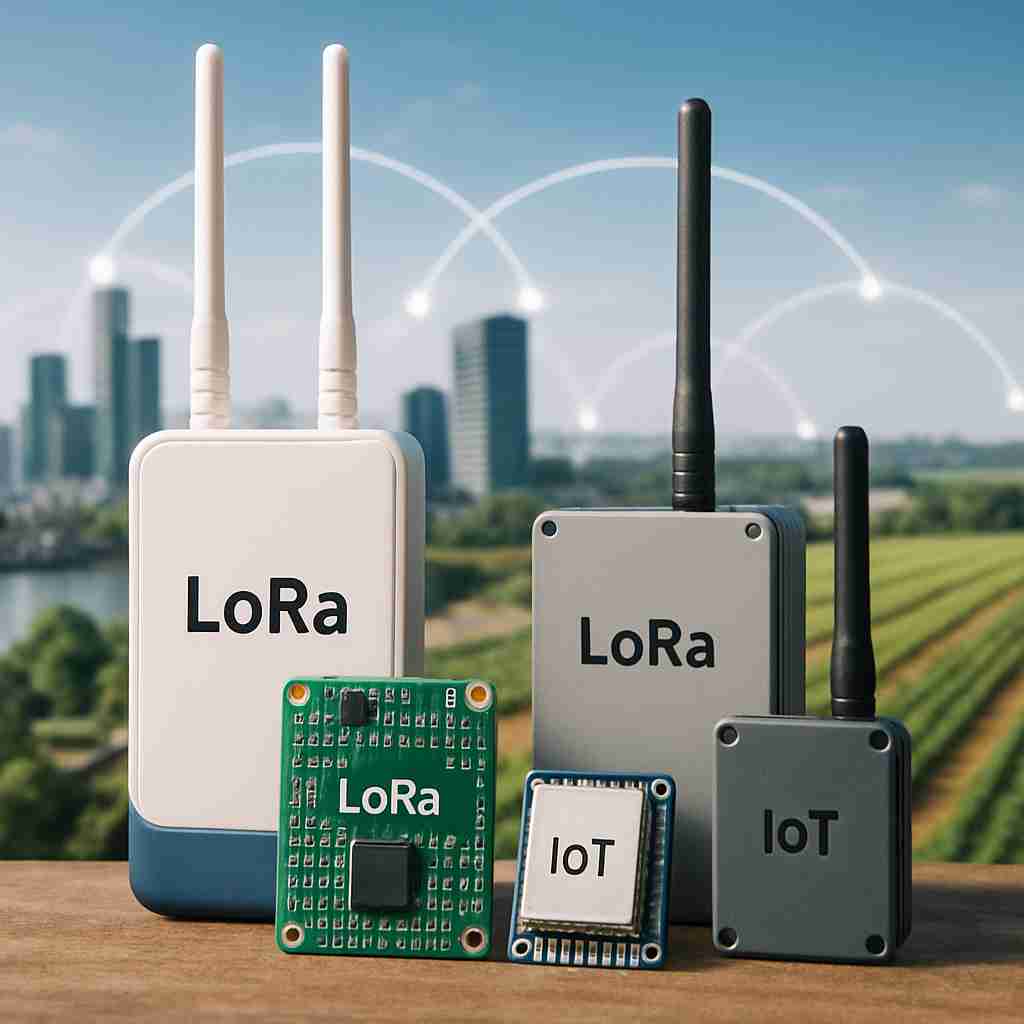
A monumental transformation in communication standards is represented by advancements in LTE radio technology, leaving legacy systems far behind. Not only do LTE standards enable better voice call quality, but they also vastly improve data transmission speeds. This enhancement results in exceptionally fast connectivity and optimal bandwidth use, which is vital for industries reliant on uninterrupted communication. With its strong framework, LTE technology supports efficient voice and data exchanges while accommodating a greater number of devices at once. This adaptability is critical in fast-expanding settings, such as smart cities where Internet of Things communication infrastructure continues to grow.
Industries including public safety reap substantial benefits from these improvements. For instance, emergency services depend heavily on real-time communication tools. The high-speed data transfer and broad LTE cellular coverage guarantee minimal delays. In densely populated urban environments, LTE networks manage heavy traffic smoothly, preserving reliable connections where older technologies stumble. Furthermore, LTE radios integrate seamlessly with the latest innovations, setting the stage for breakthrough developments in rapid response communication devices. Products like the push-to-talk radio connect traditional communication methods with modern advancements, combining tough communication hardware with unrivaled connectivity. Positioned to confront future demands, LTE technology leads the charge into a new communication era.
The Role of Rugged Two-Way Radios in Challenging Environments
Designed explicitly for demanding landscapes, rugged communication equipment merges toughness with cutting-edge technology. Their sturdy construction provides remarkable resistance against dust, water, and impact, making these durable communication devices essential for sectors such as mining and construction, where gear must face tough conditions daily.
Built to endure extreme temperatures and powerful shocks, these radios guarantee long-lasting performance and dependable communication where standard devices might not survive. This toughness ensures that operations continue smoothly even under the most severe circumstances.
A significant advancement in rugged communication equipment is how effortlessly they incorporate modern technology. With integrated GPS, users gain precise location tracking, boosting safety and coordination across expansive or isolated locations. At the same time, employing LTE-enabled communication radios enables quick, clear exchanges over broad regions, granting extensive national connectivity.
This combination of robust radio characteristics and sophisticated features establishes rugged communication equipment not only as a top pick for industrial networking systems but also for outdoor activities where reliability is crucial. As innovation progresses, these devices will become increasingly vital in increasingly demanding environments.
Conclusions
From conventional push-to-talk systems to LTE wireless two-way radios and durable communication devices, technology in communication has revolutionized the manner in which we connect and cooperate. These advancements facilitate continuous, dependable, and extensive communication, which is crucial in today’s fast-paced settings. By adopting these innovations, various sectors can boost safety, productivity, and agility across multiple use cases.