



In today’s highly connected world, there are moments when communication infrastructure is either inaccessible or completely fails. Whether during remote expeditions or urgent situations, autonomous communication devices prove essential. This article explores different technologies, such as the LoRa-based mesh communication system and emergency satellite communication devices, providing a thorough understanding of their features and practical uses.
The Evolution of Off-Grid Communication Devices
The transformation of remote communication equipment traces an impressive path from simple gadgets to highly advanced platforms. At first, walkie-talkies offered a groundbreaking yet straightforward method for short-distance voice interaction. These analog tools, valued for their dependability in isolated regions, formed the foundation for more sophisticated innovations. With the increasing demand for extended connectivity, devices such as long-range messaging devices came into existence. Utilizing advanced frequency modulation alongside secure digital communication encryption, these gadgets enable private, long-distance communications without dependence on cellular infrastructure.
What truly revolutionized the field, though, has been the rise of satellite communication platforms. They provide worldwide reach, guaranteeing connection even in the most remote locations. In emergencies, when conventional networks fail, these devices become crucial. Capable of sending vital SOS alerts, sharing precise positioning, and supporting two-way communication, satellite messengers for critical situations serve as a lifeline when land-based channels are down. During severe weather events or natural catastrophes, such autonomous communication technology is indispensable because it circumvents damaged infrastructure and keeps an open link to the outside world. The ongoing need for dependable self-sufficient communication solutions continuously fuels progress, highlighting their pivotal role in safety and connectivity.
Understanding LoRa Mesh Networking
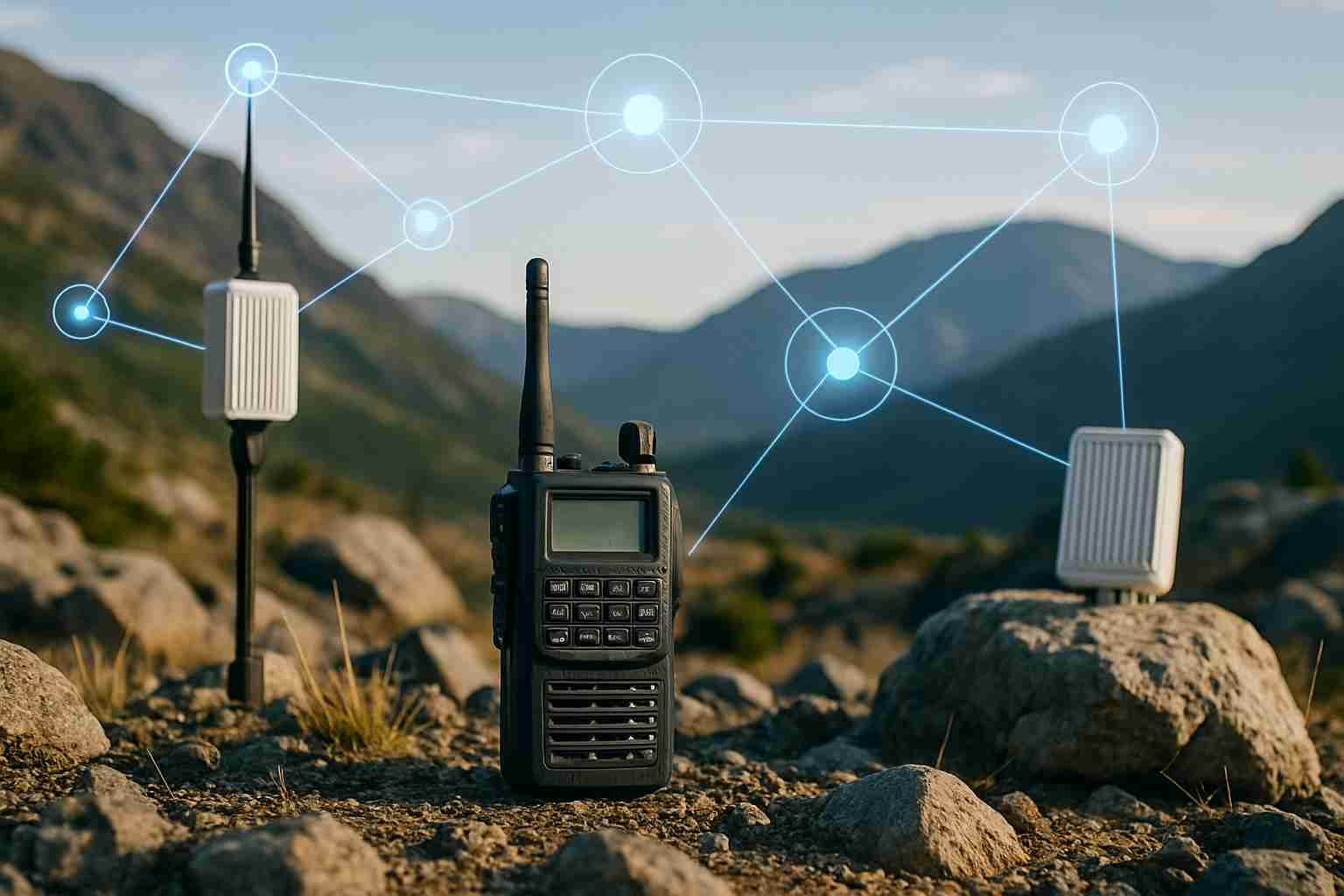
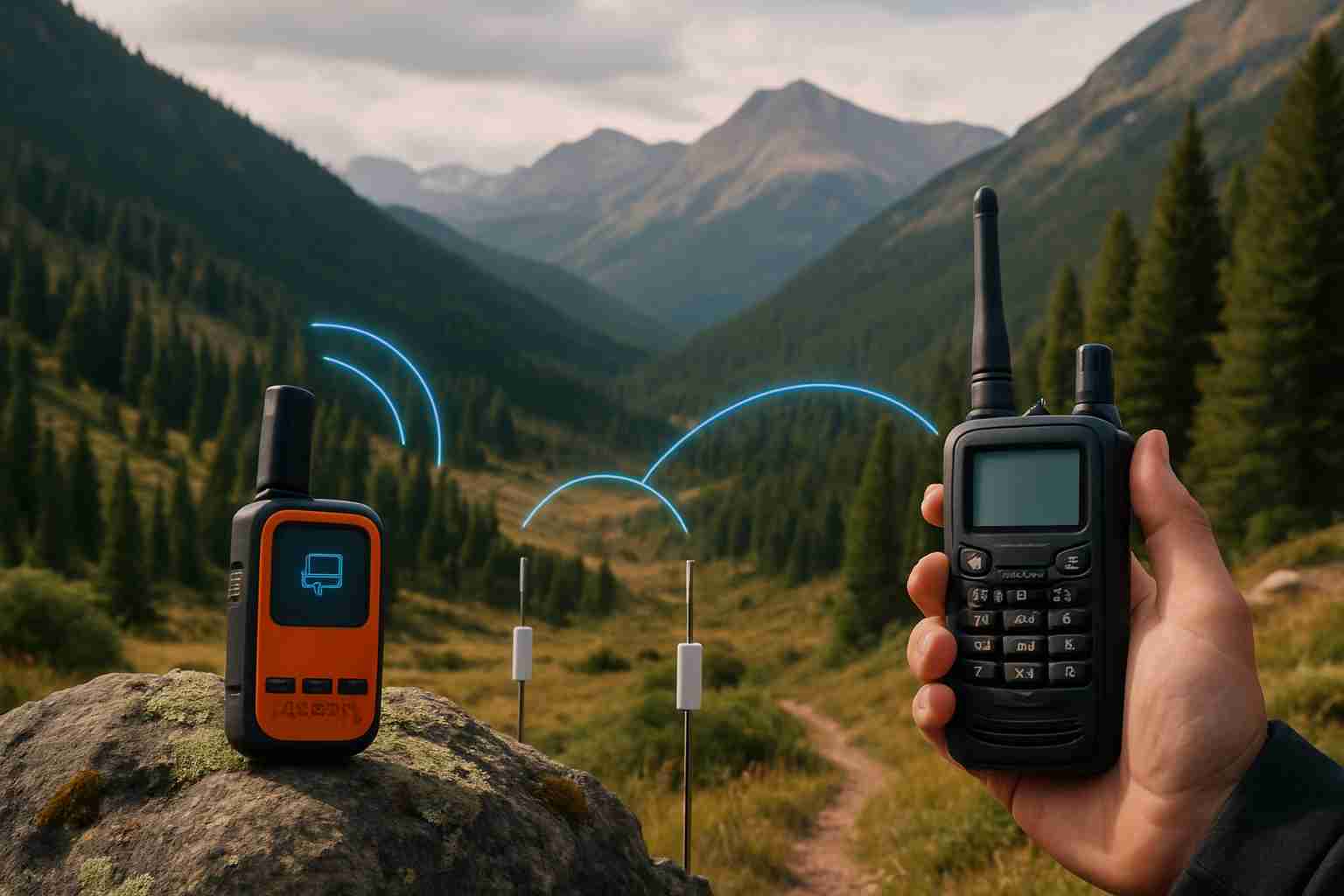
LoRa Mesh Networking marks a significant advancement in long-distance communication, especially in regions without conventional infrastructure. Utilizing energy-efficient wireless transmission, it allows devices to pass data across vast expanses, weaving a network of connectivity. Unlike traditional systems, this distributed mesh networking doesn’t depend on a central transmission point, making it highly robust and flexible.
In metropolitan environments, LoRa wireless mesh network technology supports smart city innovations like real-time urban environmental monitoring. Sensors placed throughout the city effortlessly send information about noise pollution and air quality, offering city planners valuable, actionable data. In agricultural contexts, this LoRa mesh connectivity solution excels by linking various sensors scattered over large farms to keep track of soil moisture levels and crop health.
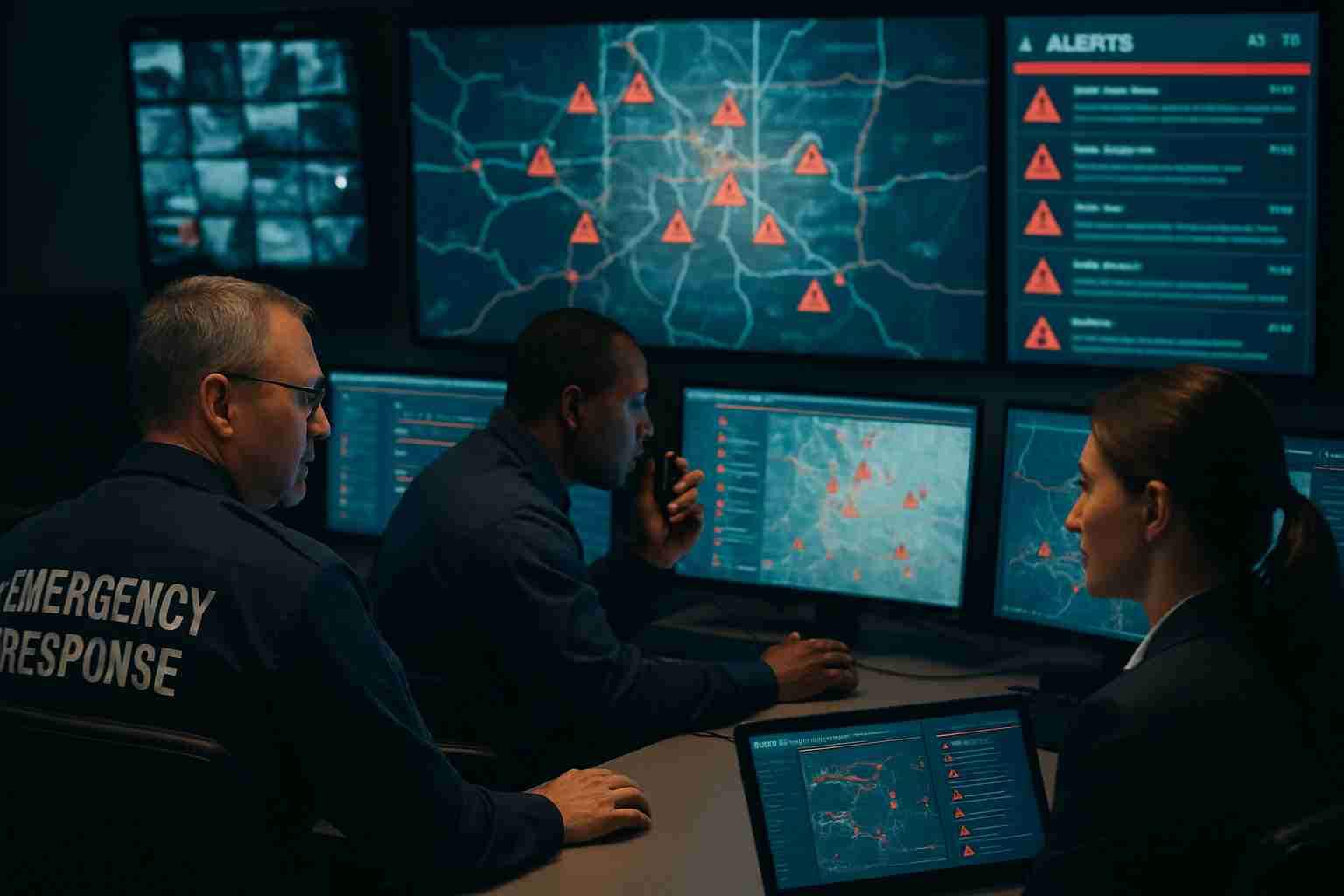
Moreover, during crises where standard communication infrastructures break down, LoRa mesh net protocol maintains communication for emergency teams by operating independently of existing infrastructure. Its resilience under challenging conditions ensures continuous information flow, proving vital during emergency situations. As a multifaceted tool, it bridges communication voids precisely where conventional networks stumble.
Emergency Communication Tools: Essential Features and Applications
During emergencies, when conventional networks break down, emergency communication devices become indispensable for sustaining connectivity. Their resilience and design enable them to function in severe environments, guaranteeing uninterrupted communication precisely when it’s critical. Many of these crisis communication tools stand out due to their independence from terrestrial infrastructure, utilizing technologies such as satellite and high frequency radio signaling to overcome geographical barriers.
Satellite phones serve as prime examples of trusted communication platforms, facilitating calls and messaging from almost any global location. Built to endure harsh climates, including extreme weather and heavy rain, these rugged and water-resistant radios are crucial in disaster zones and isolated regions.
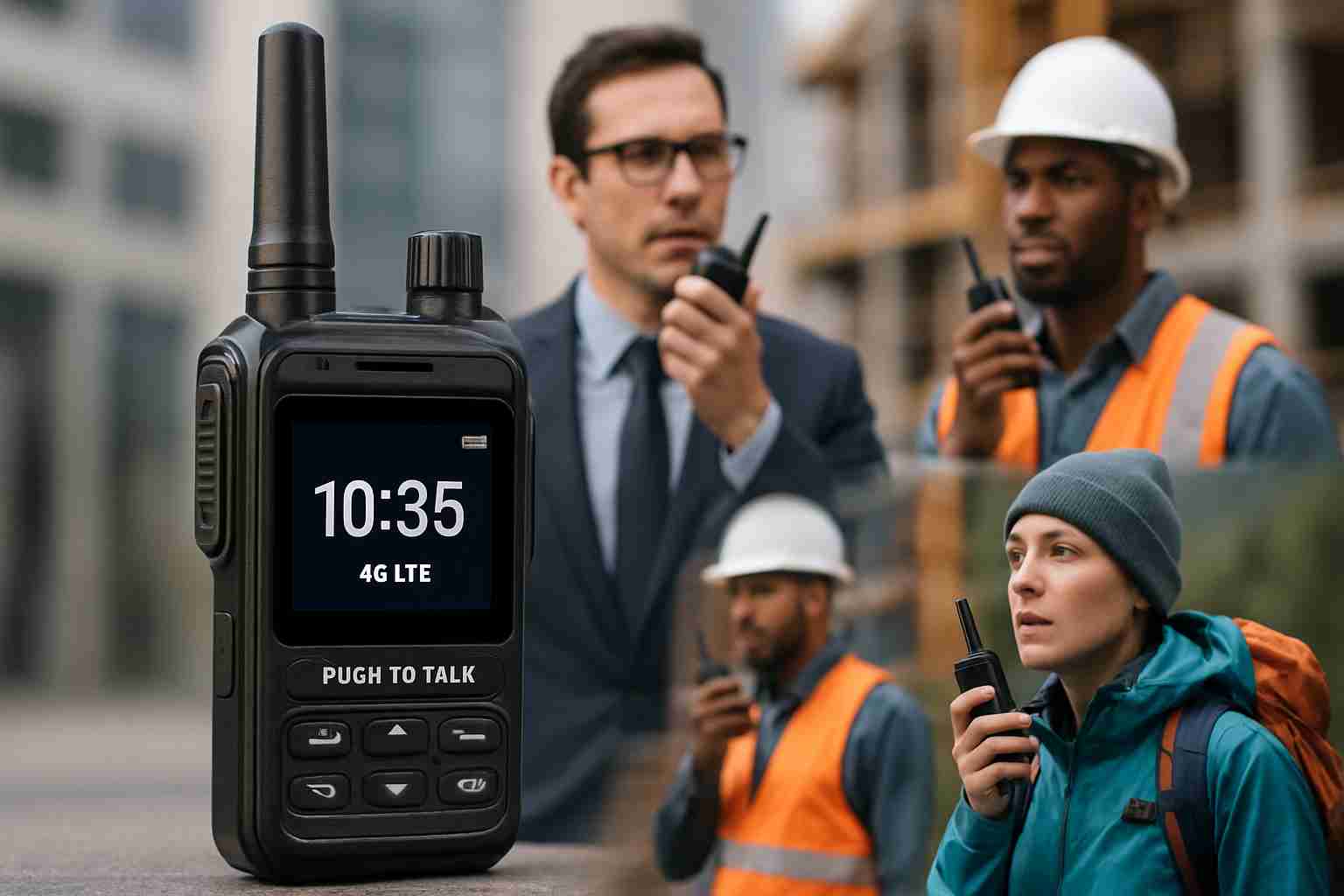
Additionally, durable emergency communication radios provide dependable long-distance connectivity. Operating across various bands, including very high frequency (VHF) and ultra-high frequency (UHF), these robust communication tools ensure clarity even in terrains where mobile signals are unavailable. Such critical communication devices are vital for emergency responders and rescue teams needing reliable and immediate interaction during life-saving operations. Furthermore, long-range messaging devices complement these systems by offering extended coverage and flexibility.
Long-Range Messaging Solutions: Bridging Vast Distances
In remote and demanding settings, long-range messaging devices stand out as essential instruments for dependable communication. These tools function independently of conventional networks, relying on technologies like radio frequencies and satellite links. Wilderness adventurers often prefer radio-based options such as HF (High Frequency) radios because they can transmit signals across extensive distances, even amid challenging terrain. When cellular connectivity is unavailable, these devices provide an affordable and effective way to remain in touch.
Conversely, satellite communication platforms offer worldwide reach, making them crucial for maritime and remote industrial operations. Satellites orbiting the Earth facilitate devices like satellite phones to keep communication channels open anywhere on the planet, allowing users to exchange critical information no matter where they are. This capability is vital for individuals at sea or in isolated regions, enabling communication during emergencies or routine status updates.
While these technologies each have strengths, their practicality is situation-dependent. Operating radios optimally requires some expertise, whereas satellite gadgets, though easier to use, often come with higher expenses. Still, incorporating these long-range messaging devices into strategies for independent communication systems continues to advance, effectively linking distant locations with impressive reliability and efficiency.
Rugged Communication Devices: Built for Extreme Conditions
Designed to withstand the harshest environments, rugged communication devices ensure dependable connectivity even under extreme conditions. They play a vital role in sectors like construction, mining, and military operations, where reliable communication directly impacts both safety and productivity. Utilizing tough materials such as reinforced polymers and corrosion-resistant metals, these devices are crafted with durability at their core to resist dust, water intrusion, and physical shocks.
In environments like mining, where loud noise and dust are constant challenges, these durable communication systems deliver clear, uninterrupted transmissions crucial for managing heavy machinery and safeguarding personnel. Military applications demand gear that can tolerate hostile climates and rapid movements, often incorporating encrypted military communication equipment to block interception and resist jamming attempts.
Construction sites require devices that combine resilience with user-friendly interfaces and extended battery life to operate seamlessly through lengthy shifts without frequent recharging.
Moreover, the engineering behind these tough communication tools integrates advanced signal processing devices and external antenna systems to preserve stable connectivity even in areas with limited network access. This combination allows industries functioning in extreme conditions to communicate efficiently, minimizing downtime and boosting operational output.
Conclusions
Where conventional systems fail, standalone communication systems become vital to sustain connectivity. These technologies, ranging from the innovation of the LoRa-enabled mesh networking platform to the toughness of durable communication devices, offer essential communication lifelines. Being familiar with their capabilities and uses guarantees readiness for unforeseen interruptions, emphasizing the necessity of investing in appropriate communication tools for routine and emergency scenarios alike.