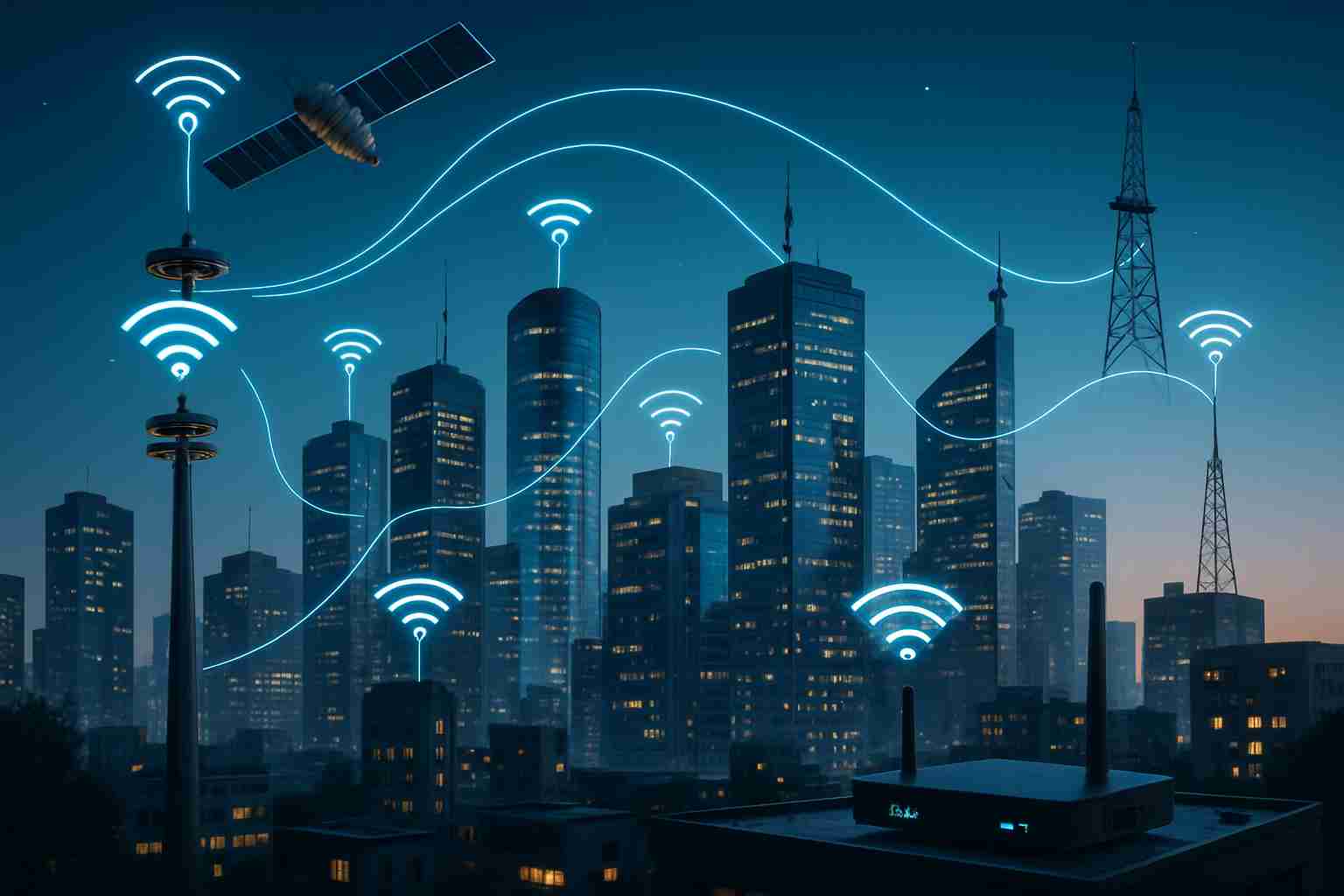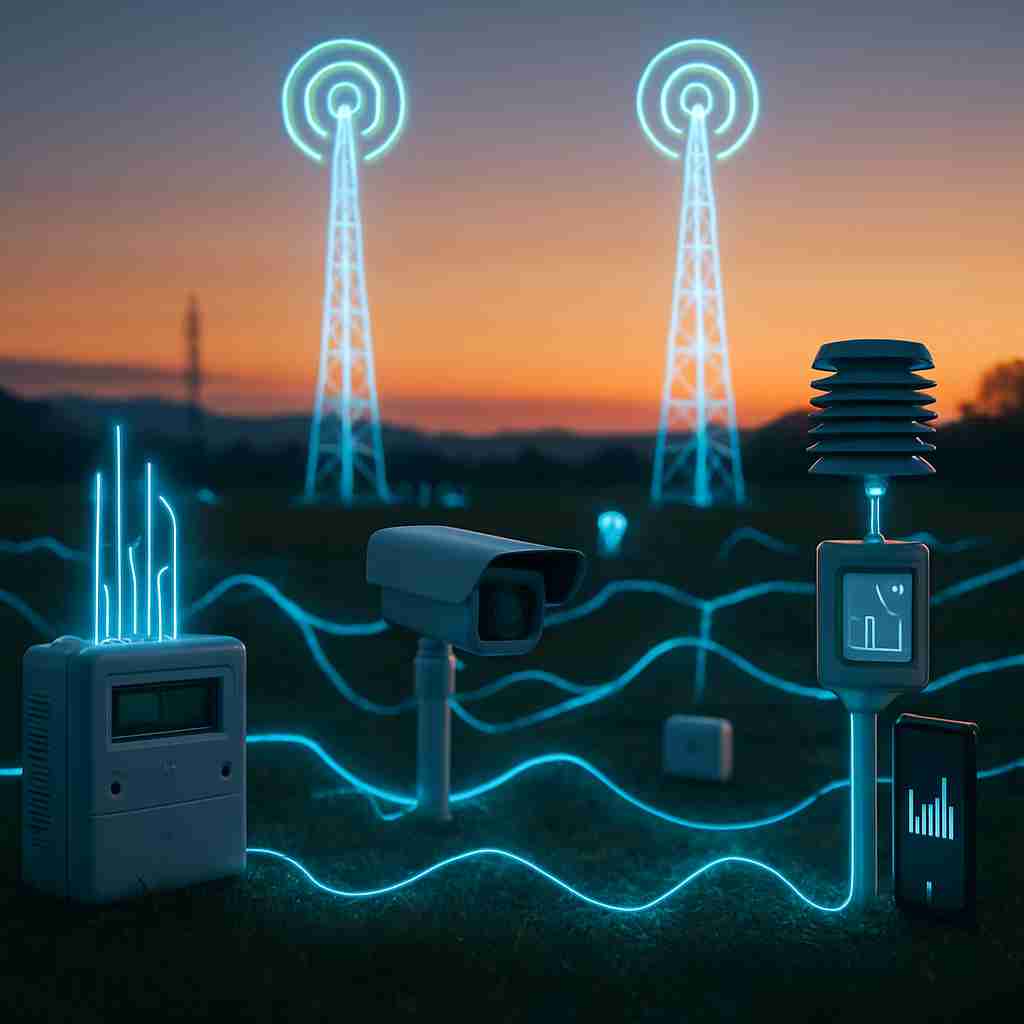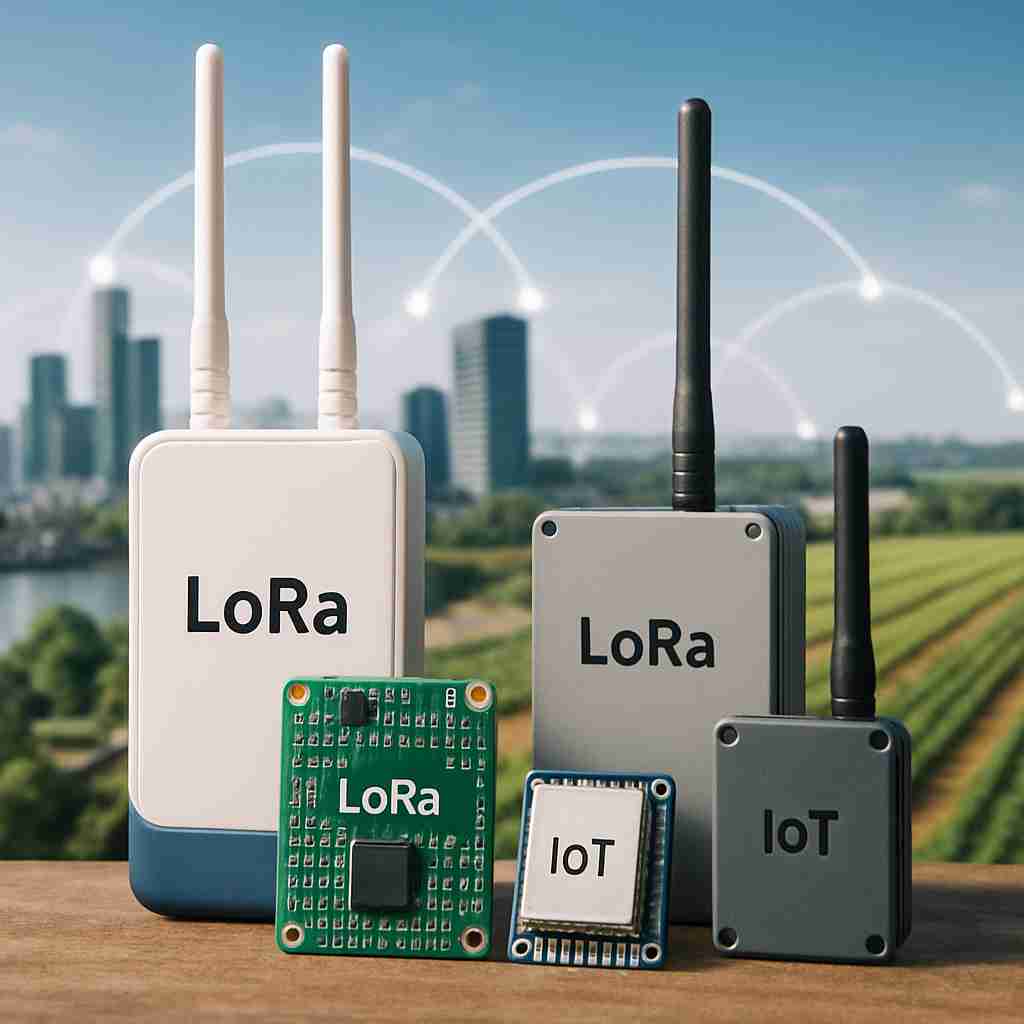



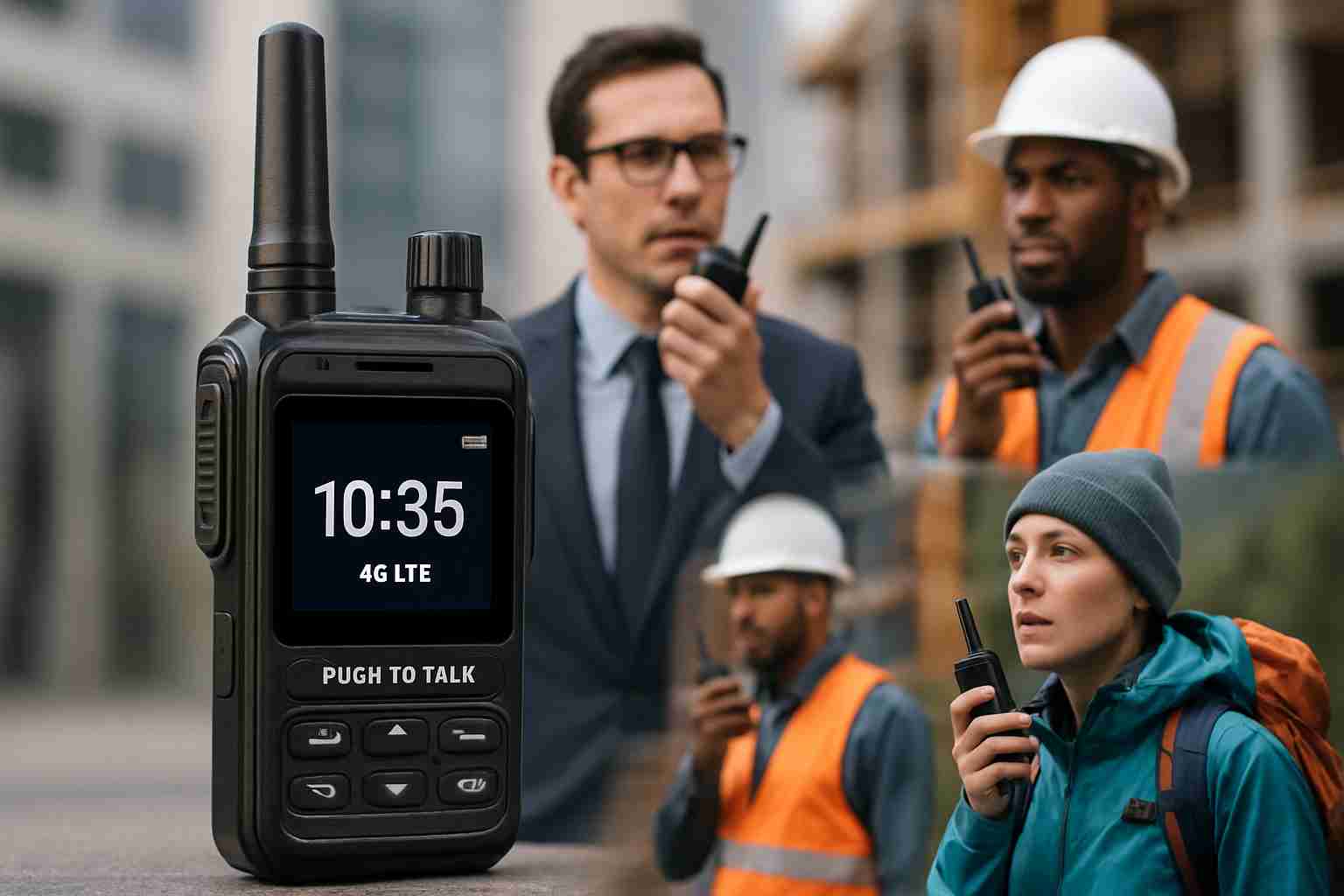
As digital communication advances, innovations such as 4G LTE professional walkie talkies and national push-to-talk networks are driving the future of dependable and seamless connectivity. This write-up explores how LTE-enabled two-way communication devices utilize cellular networks to deliver rapid group communication technologies and highlights the emergence of robust communication radios engineered for today’s networking requirements.
The Evolution of Walkie Talkies to 4G LTE
The transformation from classic walkie-talkies to contemporary LTE walkie talkie technology represents a remarkable advancement in communication systems. During World War II, these radios were essential, largely attributed to pioneers such as Donald Hings and engineers at Motorola. They provided reliable, short-distance communication using a single radio frequency, meeting the military’s strategic demands.
Yet, while traditional walkie-talkies were dependable, their range and sound quality were limited by their use of VHF and UHF bands. The introduction of 4G LTE brought a revolutionary shift. Utilizing cellular networks, LTE two-way radios overcome the geographic limits of earlier models, delivering enhanced range and clearer audio transmission.
This change enables nearly limitless coverage, especially vital in regions without conventional radio infrastructure. An LTE walkie talkie effectively closes communication gaps over long distances, proving crucial for emergency communication tools and large-scale enterprises. Moreover, these devices support smooth handoffs between cellular towers, ensuring uninterrupted communication even on the move. By incorporating LTE radio technology, walkie-talkies are redefined as reliable and extensive rapid group communication technologies.
Nationwide Push-to-Talk: Bridging Distances in Communication
By utilizing robust cellular infrastructures, nationwide push-to-talk systems have transformed personal and organizational communication, enabling instant connections across vast distances. These systems, operating through cellular PTT technology, support effortless scalability, empowering users to engage with extensive groups anytime and anywhere. Notably, implementations like Nextel’s use of iDEN communication systems have built resilient national push-to-talk networks, laying the foundation for today’s advanced communication platforms. These platforms provide considerable benefits across a variety of situations, guaranteeing dependable communication even in demanding conditions.
Within business settings, countrywide push-to-talk service enhances coordination and speeds up decision-making, boosting efficiency and responsiveness. Emergency response communication networks gain greatly from immediate messaging capabilities over broad areas, heightening situational awareness and allowing swift deployment of resources in high-stakes moments. Public protection communication platforms rely on these systems to sustain uninterrupted links, protecting communities through prompt information exchange and organized interventions.
The unmatched flexibility of these networks allows smooth integration with existing infrastructure and easy scalability to address rising requirements. Customizable enterprise walkie-talkie communication platforms offer specialized functionalities, including encryption and prioritized call management. Whether deployed in corporate environments or on emergency frontlines, secure instant communication solutions like nationwide push-to-talk deliver consistent, real-time connectivity. The emergence of LTE push-to-talk communication further accelerates this evolution, blending sophisticated cellular LTE walkie talkie technology with traditional radio features. By exploiting innovations in LTE broadband radio interface, these systems not only boost range and clarity but also revolutionize fast group communication technology in today’s dynamic world.
Understanding LTE: The Backbone of Modern Connectivity
At the core of contemporary mobile communication lies Long-Term Evolution (LTE) technology, which has enabled innovations such as LTE walkie talkie and ultra-fast cellular communication. Whereas 3G networks were hampered by constrained speed and capacity, LTE achieves much higher data transfer rates by utilizing broader bandwidth channels. This enhancement in speed and volume allows for quicker streaming, downloading, and real-time interaction.
By employing a streamlined IP-based core network, LTE’s design increases data transfer efficiency and robustness. This advancement lowers latency and improves the user experience by facilitating seamless video chats and near-instantaneous VoIP calls. Such efficiency paved the way for Voice over LTE (VoLTE), which delivers superior voice quality by transmitting calls over data networks instead of conventional voice paths.
Moreover, LTE incorporated cutting-edge LTE antenna systems, enhancing both spectral efficiency and data rates. These radio innovations are vital in supporting smooth device performance even when network traffic spikes. They also ensure strong connectivity across diverse settings—an essential factor for applications like the LTE walkie talkie, providing reliable communication solutions for businesses and public safety communication systems.
Rugged LTE Radios: Built for Endurance in Challenging Environments
Designed specifically for resilience in tough settings, rugged LTE communication devices prove indispensable in industries like military, construction, and outdoor leisure. These units incorporate cutting-edge features aimed at toughness. For example, numerous versions comply with military-grade MIL-STD-810G standards, guaranteeing they withstand shocks, severe temperature fluctuations, and vibrations.
Essential characteristics include waterproofing and dustproof communication equipment, which are crucial for areas regularly exposed to harsh weather conditions. Despite the noise and debris common on construction sites, LTE radios provide dependable communication pathways. Their dependability in rugged landscapes makes them ideal for military use, supporting unbroken team collaboration.
Even in isolated regions, durable LTE connectivity equipment ensure stable links by often utilizing multi-bandwidth LTE communication devices to maximize network access. Their capacity to sustain strong signals where infrastructure is scarce is key to vital communication during emergencies and logistics operations.
For outdoor adventurers, these devices are key to safe excursions, offering a constant connection to civilization even in remote spots. Combining toughness with connectivity, they become essential for maintaining communication no matter the environment. The LTE walkie talkie exemplifies this communication upgrade, delivering a dependable choice for various uses.
Instant Group Communication in the Digital Age
In the modern digital environment, the importance of LTE walkie talkie technology has become increasingly clear in driving real-time team communication tools. These devices are seamlessly integrated, enabling swift exchanges that are vital for urgent communication devices, collaborative teamwork, and field missions. By providing instantaneous voice and data communication over a safeguarded, encrypted network, these radios elevate operational capabilities. Leading platforms such as Zello and AT&T Enhanced Push-to-Talk exemplify this by delivering sturdy systems that foster live interaction among users.
During critical incidents, these communication solutions align perfectly with emergency response communication networks, allowing teams to coordinate quickly and effectively. The prompt transfer of information during teamwork and outdoor operations boosts both decision-making and productivity, underscoring the essential role this equipment plays. Their utility extends beyond conventional communication, offering comprehensive group messaging, live location tracking, and status updates—features indispensable in fast-paced environments.
Designed with intuitive interfaces and robust construction, these devices meet the rigorous demands across various sectors, from public safety to construction, ensuring performance in any condition. By emphasizing encrypted real-time messaging, these platforms are revolutionizing professional connectivity, enabling decisive and confident action in crucial moments.
Conclusions
The advancement represented by integrating 4G LTE into walkie talkies and push-to-talk systems is a major breakthrough in communication technology. By combining classic radio functions with modern cellular networks, these gadgets deliver unmatched clarity, durability, and coverage. Serving both individual users and industry experts, LTE radios stand as a symbol of a future where secure, seamless, and real-time communication is available to everyone.