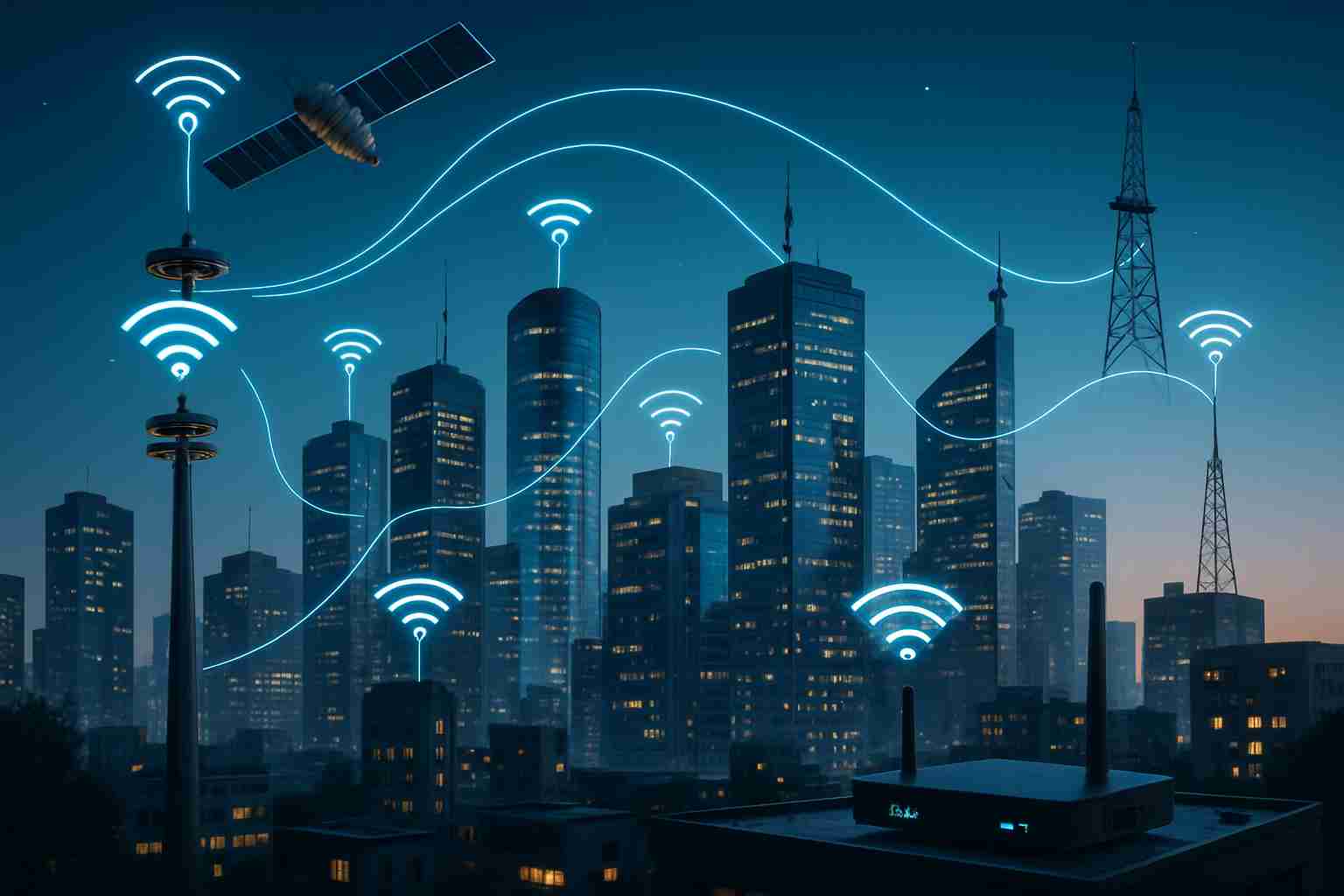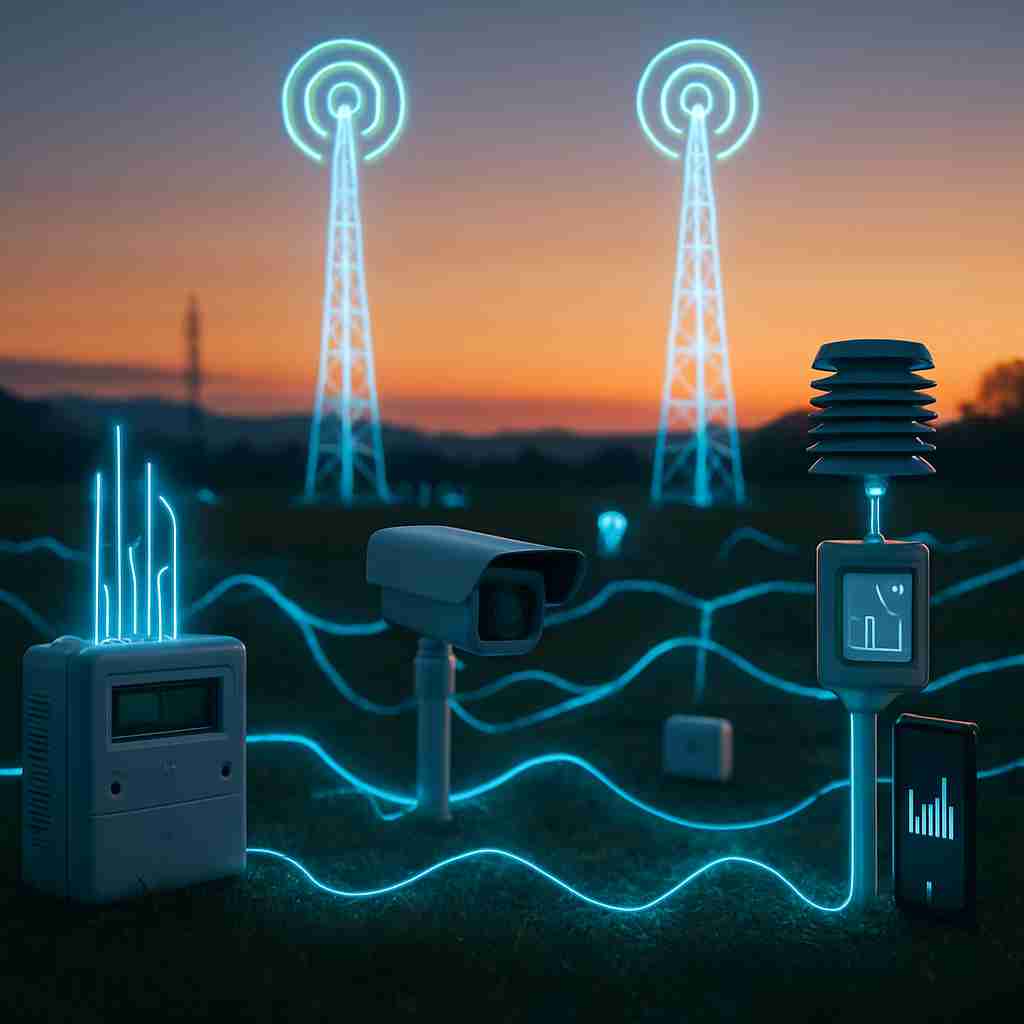




In today’s world, where staying connected is crucial, autonomous communication systems have become indispensable for maintaining links in isolated regions. This piece explores the cutting-edge innovations powering satellite messaging systems, mesh networking systems, and various remote communication tools that offer users dependable, interactive satellite communication and self-sufficient emergency contact features without dependence on conventional networks.
Understanding Off-Grid Messaging Devices
In regions lacking standard network access, off-grid messaging devices play a crucial role in maintaining communication for explorers, remote professionals, and emergency responders. Functioning independently of usual cellular or internet infrastructures, these tools utilize either direct radio waves, satellites, or a blend of both to keep users connected. Their capability to operate without conventional systems proves indispensable during outdoor adventures or unforeseen urgent situations.
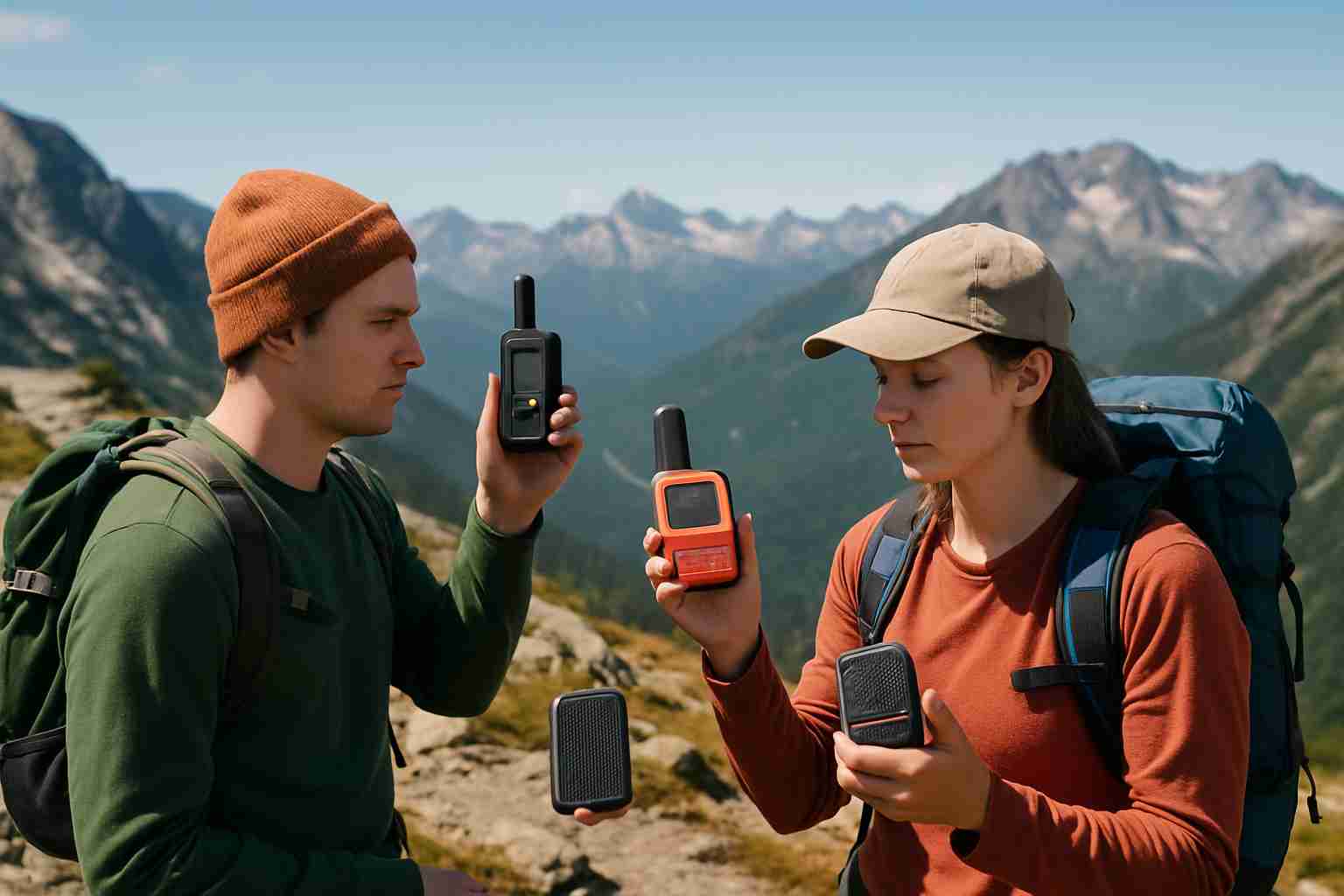
For explorers, off-grid messaging devices offer reassurance by enabling bidirectional satellite communication even in the most isolated environments. Unlike standard mobile phones, they are engineered to endure harsh conditions where typical networks cannot reach. Those working remotely, particularly in wilderness locations, also rely on these devices to stay in touch with their teams, promoting both safety and seamless workflow.
Emergency responders find such technology invaluable for coordination and swift action amid crises. Popular examples include goTenna Mesh, Garmin inReach, and Spot X, each equipped with specialized features like rugged GPS satellite tracking systems and SOS functions. These devices provide a vital connection when users need it the most.
The Role of Satellite Communicators
Satellite communication devices serve an essential function in delivering dependable, bidirectional satellite communication worldwide. In contrast to off-grid messaging devices that depend on short-distance transmission, these satellite communication systems leverage an intricate web of orbiting satellites to guarantee connectivity even in the most isolated locations. Built with advanced technology, these devices relay information via satellite networks such as Iridium and Globalstar, facilitating smooth global interaction.
Devices like the Garmin inReach and SPOT Satellite Messenger stand out as prime examples of this technology in action. Utilizing the Iridium satellite connectivity range, the Garmin inReach offers not just messaging capabilities but also real-time satellite-based GPS tracking, making it indispensable for explorers and remote professionals in network-sparse regions. Meanwhile, the SPOT Satellite Messenger taps into Globalstar satellite telecom solutions to provide tracking and emergency satellite alert systems, vital for safety during wilderness excursions.
Nonetheless, satellite communication messengers do have their constraints. Optimal signal transmission is often dependent on clear sky exposure, and performance can suffer in dense environments. Additionally, subscription fees can be considerable, given the ongoing costs of accessing worldwide satellite communication hardware. Despite these drawbacks, their unmatched reliability when conventional networks are unavailable makes satellite communication devices invaluable partners in remote and emergency circumstances.
Exploring Mesh Network Communication
Mesh networking systems provide a brilliant way to sustain consistent communication in isolated regions by using a decentralized communication strategy that guarantees connection. Unlike conventional point-to-point setups, these networks empower every device, or node, to operate simultaneously as a sender and receiver, forwarding messages flexibly throughout the network. This ingenious system allows messages to traverse from one node to another, bypassing barriers and expanding coverage.
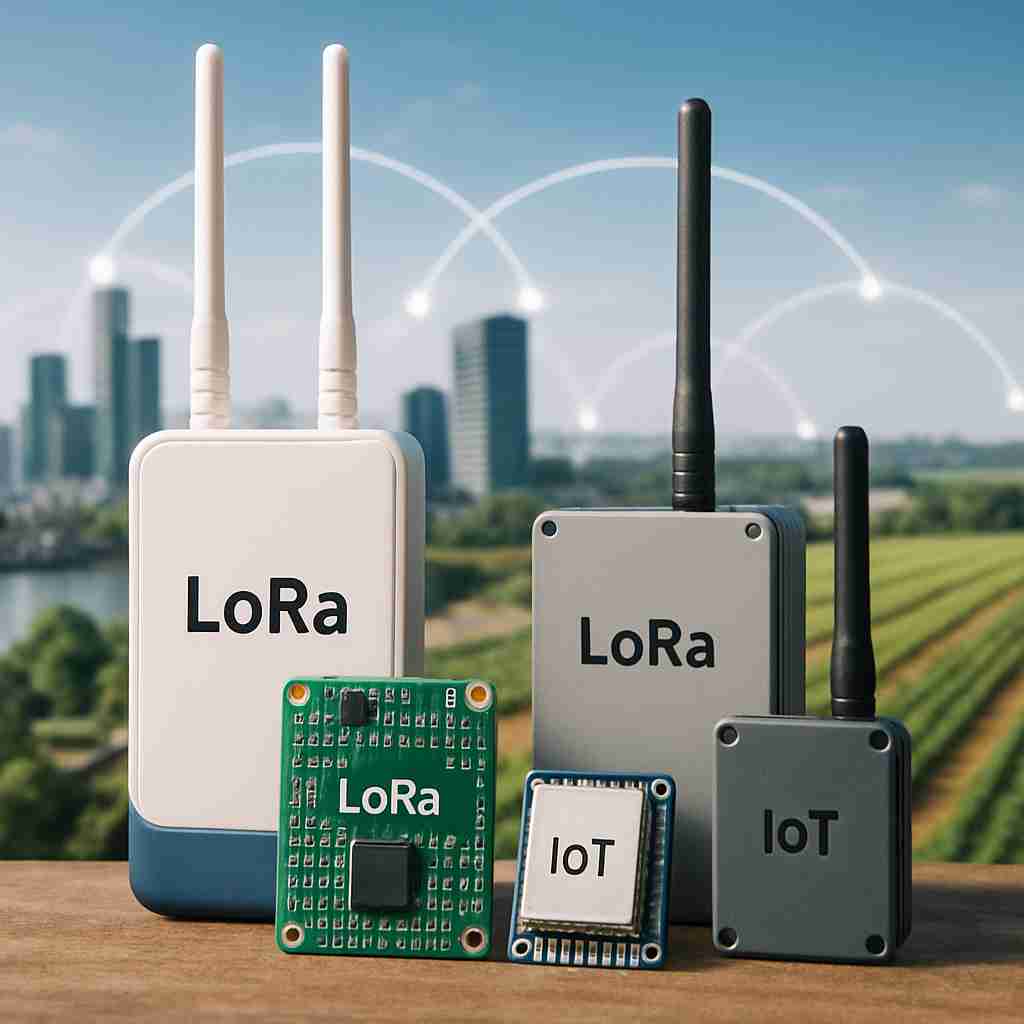
Initiatives such as Meshtastic highlight the promise of mesh communication technology, especially with their reliance on LoRa-based mesh networking solutions. LoRa, meaning Long Range, delivers energy-efficient long range transmission designed for vast distances, making it perfect for secluded locations. Utilizing this protocol, Meshtastic devices can send data efficiently over 20 kilometers without depending on cellular or Internet infrastructure. This ability holds significant meaning for crisis communication protocols, ensuring connectivity when traditional networks might be compromised.
For adventurers and intelligent communities alike, wireless mesh networks facilitate strong collaboration and communication. Whether it’s linking off-grid messaging devices used by hikers or connecting gadgets in secluded smart neighborhoods, mesh networking solutions foster durability. They boost safety and teamwork where standard networks are insufficient. As technology progresses and decentralized mesh network infrastructures advance, their potential to revolutionize communication in remote zones remains impressive. This innovation offers both dependability and accessibility, reshaping how we maintain connections in tough surroundings.
Emerging Off-Grid Communication Tools
In recent years, new advancements in autonomous communication systems have paved the way for dependable messaging in remote locations. A particularly notable breakthrough is mesh networking systems. By allowing gadgets to forward information across several nodes, it establishes a strong and energy-saving communication channel. This technology greatly improves connectivity within tight-knit groups and confined settings, proving crucial during urgent incident communication when conventional networks are down.
Moreover, radio-based equipment has progressed by exploiting high-frequency spectrums to send data across vast distances without depending on cellular infrastructure. These setups are extremely useful in disaster-stricken regions where infrastructure is damaged, ensuring vital connections when other communication methods fail.
Hybrid emergency communication networks that blend diverse technologies such as satellite, Bluetooth, and radio frequencies optimize both durability and flexibility. These networks facilitate smooth switching between various systems, preserving communication channels under varying circumstances. Providing unmatched reliability and versatility, they are indispensable resources for emergency coordinators and explorers alike.
By merging with current technologies, these groundbreaking solutions are set to transform communication strategies, ushering in new opportunities for stability and security in isolated territories. This shift signals a fresh era of connectivity, with off-grid messaging devices acting as essential lifelines.
Enhancing Emergency Communication with Advanced Devices
During emergencies, when conventional infrastructure fails, access to durable crisis communication systems becomes essential. Devices designed for emergency messaging, including satellite emergency notification devices (SENDs) and locator beacons, are specifically developed for such critical moments. Utilizing satellite, radio, and digital communication technologies, these satellite communication systems provide fast, dependable alerts to ensure crucial information reaches emergency responders without delay. The off-grid messaging devices are integral to disaster readiness, offering strong functionalities even under the most challenging conditions.
These sophisticated devices send distress alerts and geographic coordinates directly to search and rescue teams via satellite networks, circumventing impaired terrestrial infrastructure. Equipped with GPS satellite tracking units, SENDs and locator beacons precisely identify the user’s position, streamlining rescue efforts. Moreover, these tools endure severe weather, making them vital for explorers and residents of isolated regions. By acting as trustworthy connections to external support, off-grid messaging devices greatly bolster safety measures and urgent incident communication capabilities. As technology advances, such devices will play an increasingly critical role in maintaining both community resilience and personal security during crises.
Conclusions
Where traditional infrastructure proves inadequate, off-grid communication solutions are transforming connectivity by offering dependable communication methods. These systems are essential for explorers, first responders, and individuals residing in isolated locations. The progress in satellite communication devices and mesh networking systems creates a powerful combination that boosts both safety and connectivity. Equipping yourself with these technologies guarantees preparedness for any remote or urgent situation, improving security and providing peace of mind.