


In an era where reliance on connection grows ever stronger, independent communication devices become vital for those exploring beyond conventional networks. Whether you’re camping in distant locations or gearing up for crises, these tools guarantee reliable connectivity. This article delves into the core aspects of standalone messaging systems, wireless mesh networking, and comprehensive integrated communication systems that enable smooth communication without relying on traditional infrastructure.
Essential Off-Grid Communication Tools
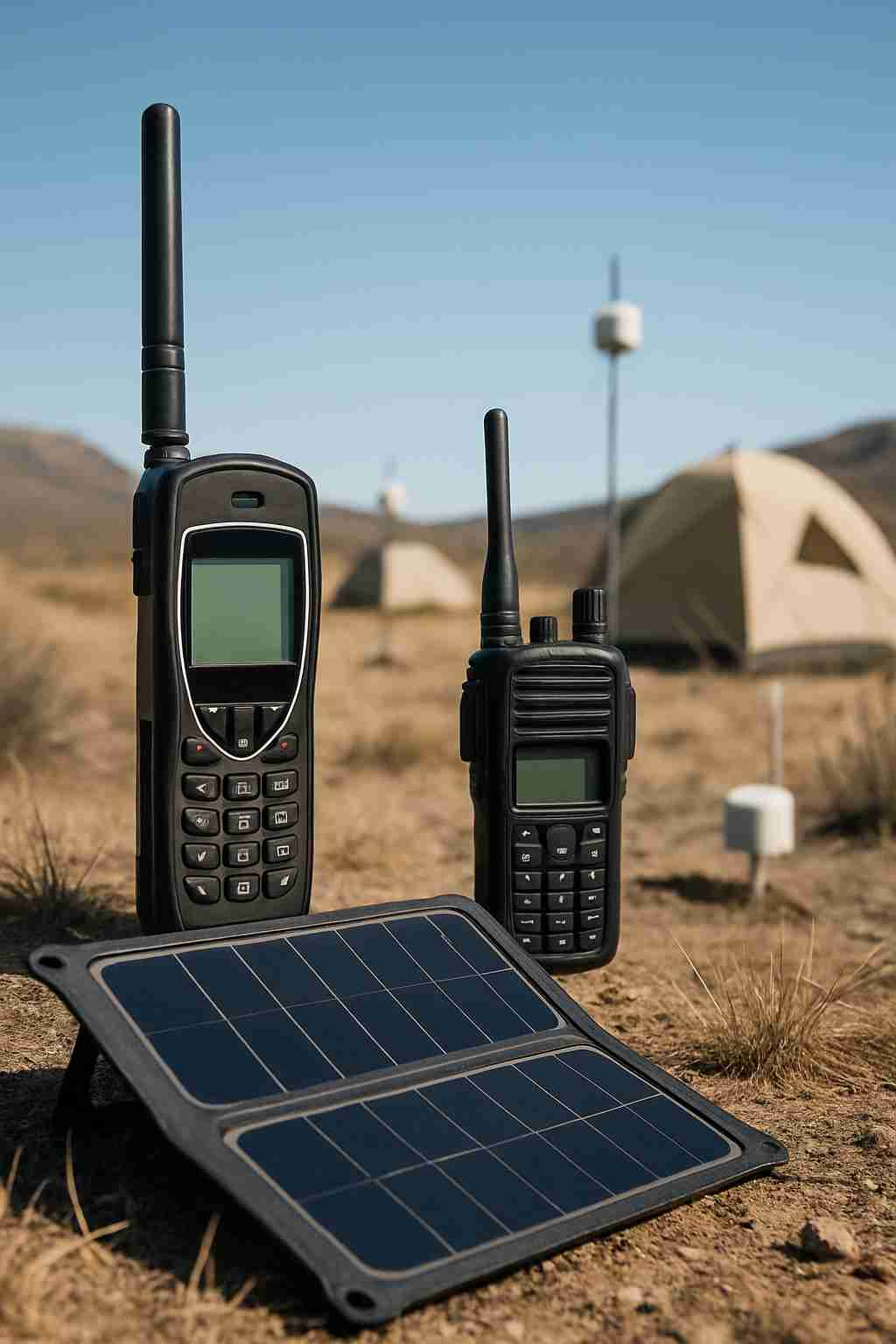
In areas lacking conventional infrastructure, independent communication devices transform how connectivity is maintained. Leading the way are satellite phones, which provide worldwide voice communication by completely bypassing terrestrial networks. They connect directly to satellites orbiting Earth, guaranteeing an open channel regardless of location. Their robustness makes them vital for rescuers and adventurers who operate in isolation.
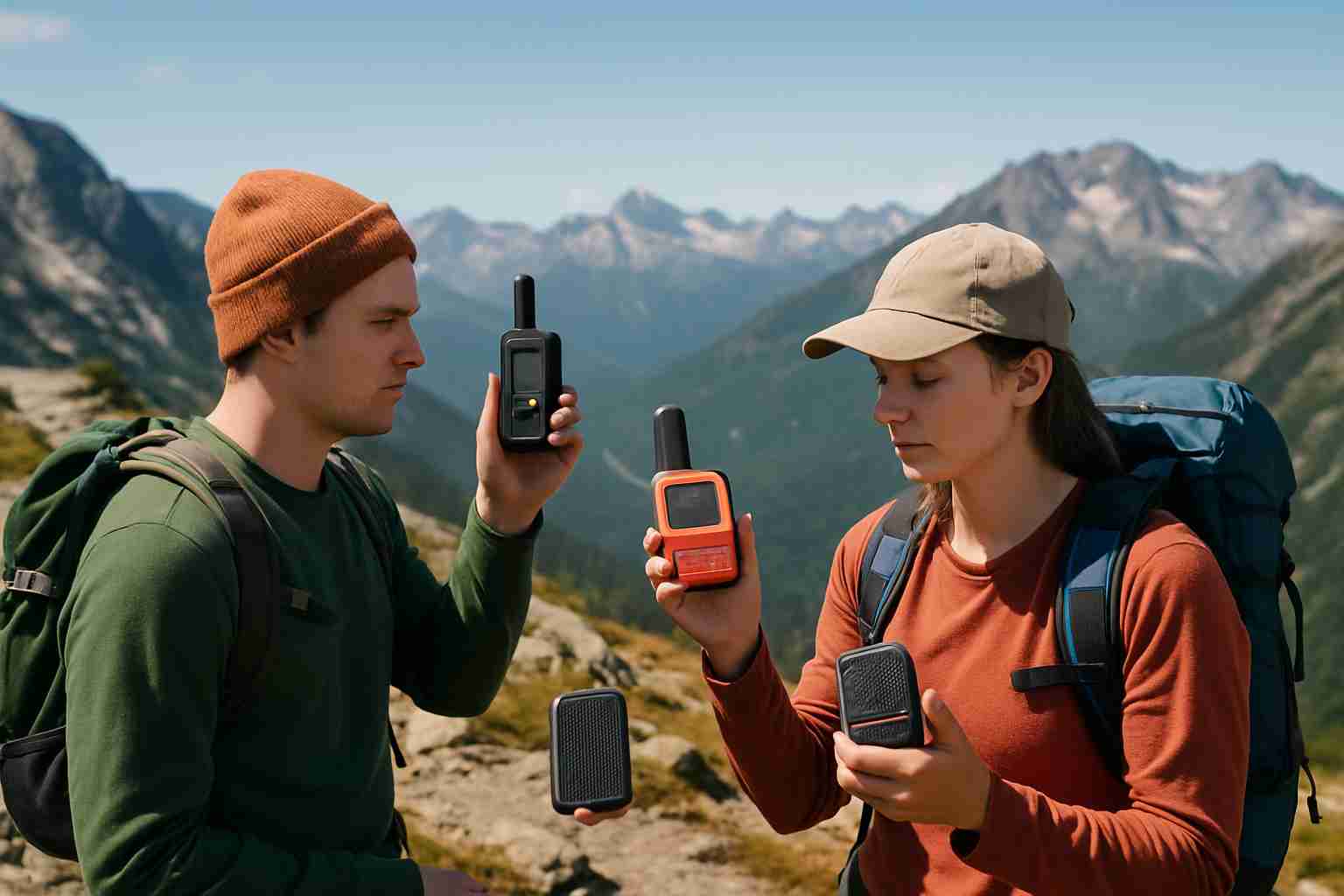
Conversely, two-way radios are indispensable for short-distance exchanges, especially among teams trekking through wilderness or managing rescue efforts. These devices boast a simple design that supports dependable, instant messaging without needing external networks. Operating on specific bidirectional radio frequency ranges, they deliver a direct line crucial for mission-critical coordination.
Handheld navigation devices with position sharing offer more than just guidance. Their capability to broadcast exact coordinates is essential during emergencies or for planning routes in difficult landscapes. By grasping the distinct features of these self-sufficient communication tools, users can pick the most suitable gear for each unique circumstance, thereby boosting safety and operational efficiency in unexplored environments.
Innovative Off-Grid Messaging Devices
In today’s world, where digital links are crucial, autonomous communication devices have become indispensable for anyone moving beyond conventional networks. Revolutionizing how people communicate, gadgets like the Garmin inReach and SPOT X offer dependable text messaging via satellite communication without relying on cellular service. No matter where they are, adventurers and survival enthusiasts can remain in touch thanks to these remote messaging equipment.
The Garmin inReach utilizes the Iridium satellite network, which provides worldwide coverage even in the most isolated locations. Its intuitive interface lets users send and receive texts, monitor their position, and share it with loved ones. Furthermore, the inReach includes an SOS feature that enables immediate connection to emergency responders if urgent help is needed.
SPOT X also stands out as a trailblazing device, merging sophisticated satellite communication with a durable build. Through its full QWERTY keyboard, users can create custom messages or send preset check-ins to specific contacts. This standalone satellite messenger additionally tracks users’ routes, making it particularly valuable during extended journeys or expeditions.
These off-grid communication tools serve as vital links, giving users reassurance and heightened security. Far from mere gadgets, these off-grid communication tools act as lifelines, delivering uninterrupted connectivity even when completely isolated.
Harnessing Mesh Networking for Off-Grid Communication
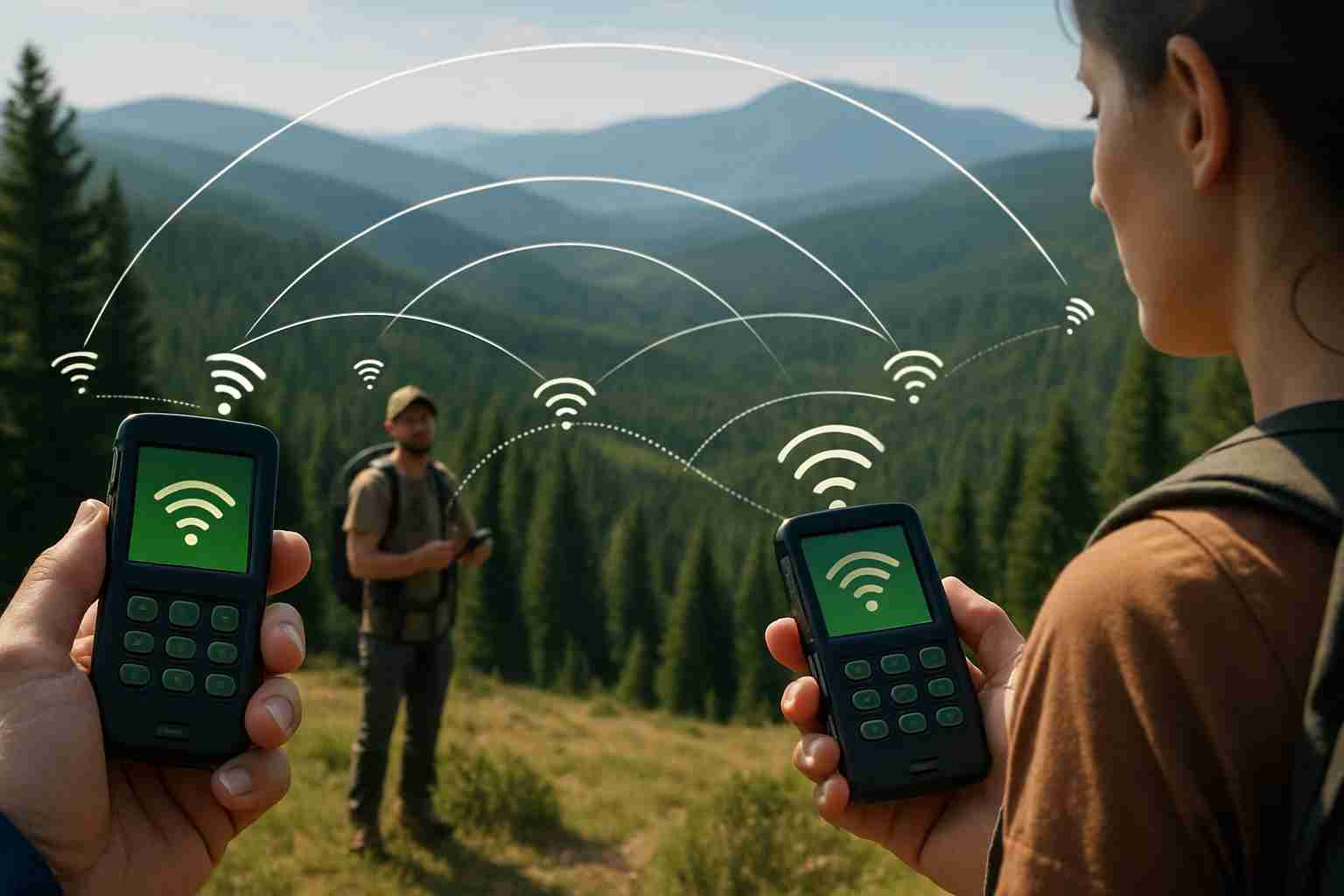
In the domain of independent communication devices, decentralized mesh networking emerges as a crucial advancement, enabling devices to connect effortlessly without relying on centralized infrastructure. Rather than following the model of conventional networks, mesh network systems allow devices to interact directly, establishing ever-changing routes for data transmission. This adaptability guarantees reliable connectivity over vast expanses, whether navigating remote sites or supporting disaster-impacted zones.
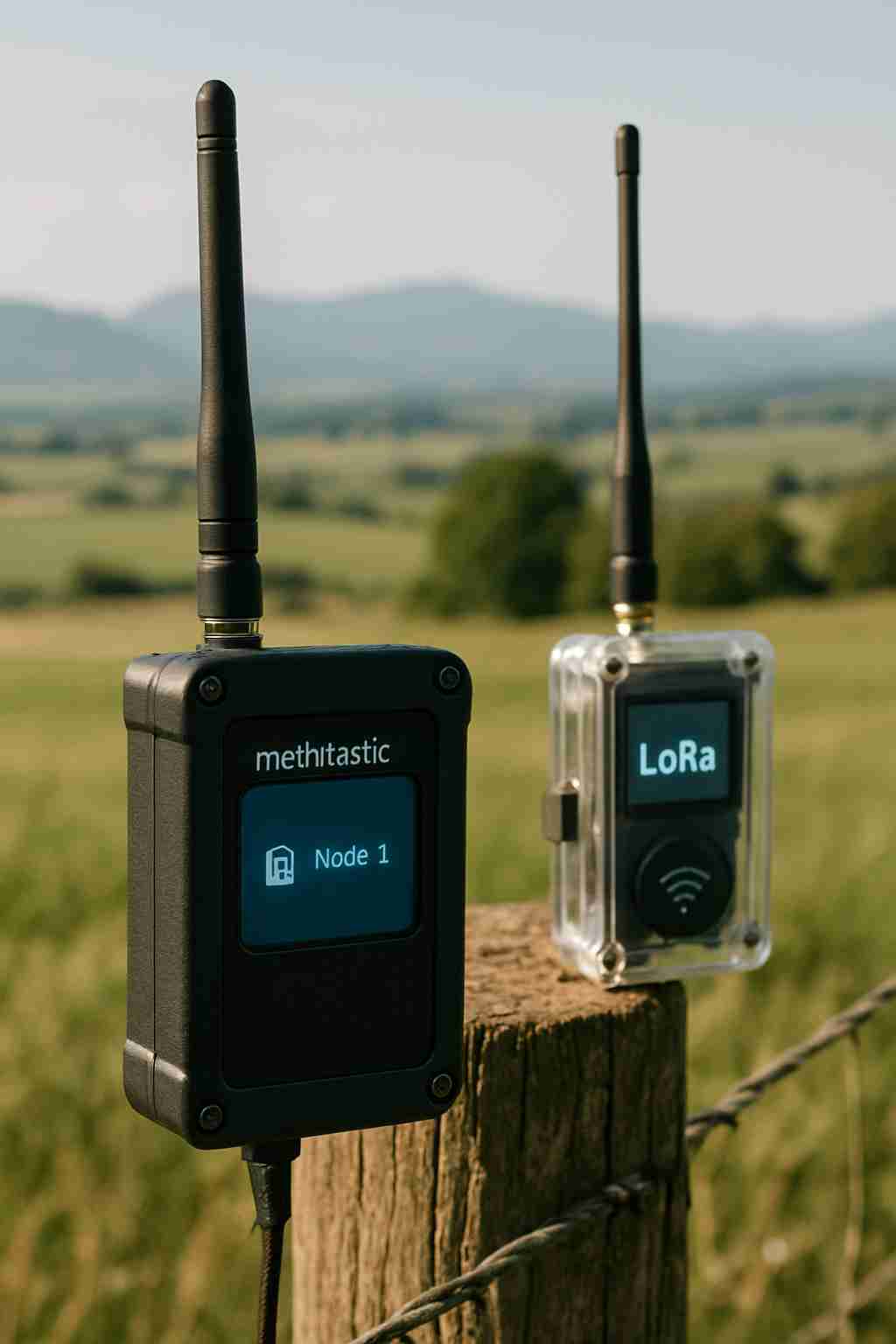
Technologies such as Zigbee and LoRa bolster mesh networking systems by extending coverage and improving energy efficiency. Zigbee’s minimal power demand fits perfectly with battery-powered gadgets in restricted settings, whereas LoRa provides broad area reach, making it perfect for long-range communication needs. Practical implementations highlight their effectiveness. In disaster communication platforms, mesh network infrastructure quickly broadens the communication range, filling in the voids where infrastructure might be absent.
During isolated expeditions, these mesh communication technology solutions link adventurers in sequestered locations, ensuring vital information or data moves without interruption. When integrated into a full-fledged standalone messaging systems lineup, mesh networks work in tandem with satellite and radio communications, building a formidable communication network. Their flexibility and toughness render them essential, strengthening dependable connectivity precisely where it is most needed.
Comprehensive Off-Grid Communication Solutions
Combining a range of self-sufficient communication tools can establish a sturdy communication network vital for crisis situations or explorations in isolated areas. Satellite mobile communication offers broad coverage, guaranteeing connectivity even in the most remote locations where conventional networks are unavailable. By supporting wireless mesh networking, satellite signals form flexible data routes that boost durability through interconnected devices. Another essential element, local radio systems, provide dependable short-distance communication, especially useful when immediate feedback and privacy are key.
Effective integration planning requires a clear grasp of the communication demands dictated by the environment. While satellite communication systems deliver extensive reach, they often face latency challenges and demand unobstructed skies. In contrast, mesh network solutions thrive in compact, dense settings by relaying data across nodes like a cellular web, preventing any single point of failure.
Some obstacles involve managing power supplies to ensure all components remain functional, conducting frequent equipment tests to confirm operational status, and coping with severe weather that can interrupt transmissions. Meeting these challenges involves innovation and preparedness, ensuring that these interconnected independent communication devices stay dependable when legacy systems break down.
Building and Managing Off-Grid Communication Systems
Constructing an efficient offsite communication network demands a solid grasp of the technologies at hand and skillful management. By linking devices through wireless mesh networking, people and groups can establish private networks that provide integrated communication systems across vast stretches without depending on standard infrastructure. Users can broaden their network’s coverage by thoughtfully positioning mesh nodes, making these self-sufficient communication tools essential for communication in remote areas or during crises.
Another connectivity option is satellite communication link, which ensures dependable channels even when ground-based networks are absent. Keeping satellite connections operational requires maintaining clear sight lines, periodic equipment adjustments, and syncing with satellite operation timings to preserve signal strength.
Shortwave radios form a flexible piece of independent communication devices, offering wide coverage and making them fundamental for personal and communal communications alike. To fully harness their potential, frequent testing and collaboration with nearby users are vital. Emerging innovations like LPWAN further boost system performance by providing reliable data transfer across long distances with very low power usage. Adopting such technologies guarantees that off-grid communication networks stay adaptable, trustworthy, and effective.
Conclusions
For maintaining connection beyond conventional networks, independent communication devices and systems provide essential answers. Users can achieve dependable communication in any situation by combining innovative gear such as satellite mobile communication and mesh network systems. No matter where people are located, understanding and skillfully implementing these technologies enable individuals and communities to remain connected, well-prepared, and secure.