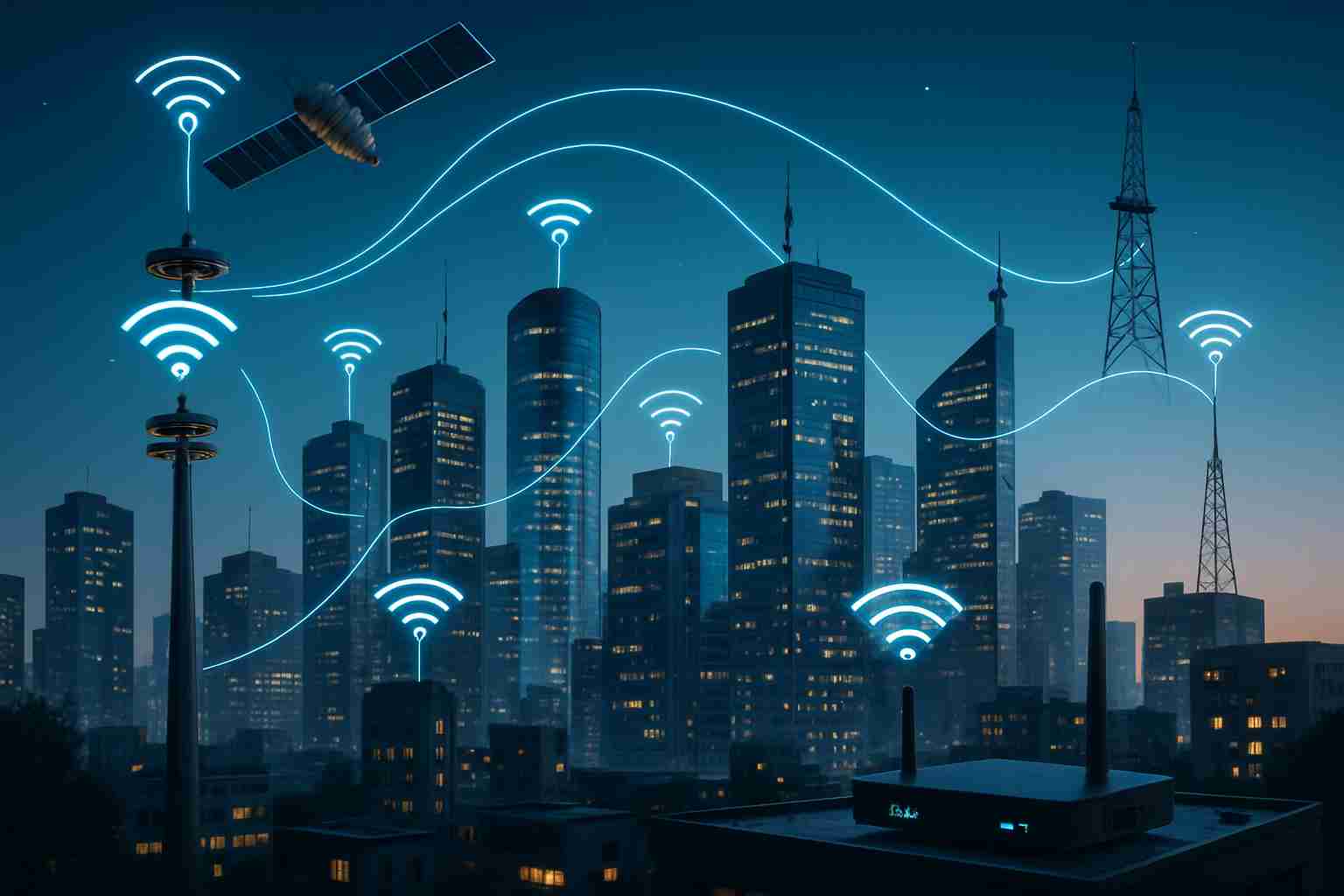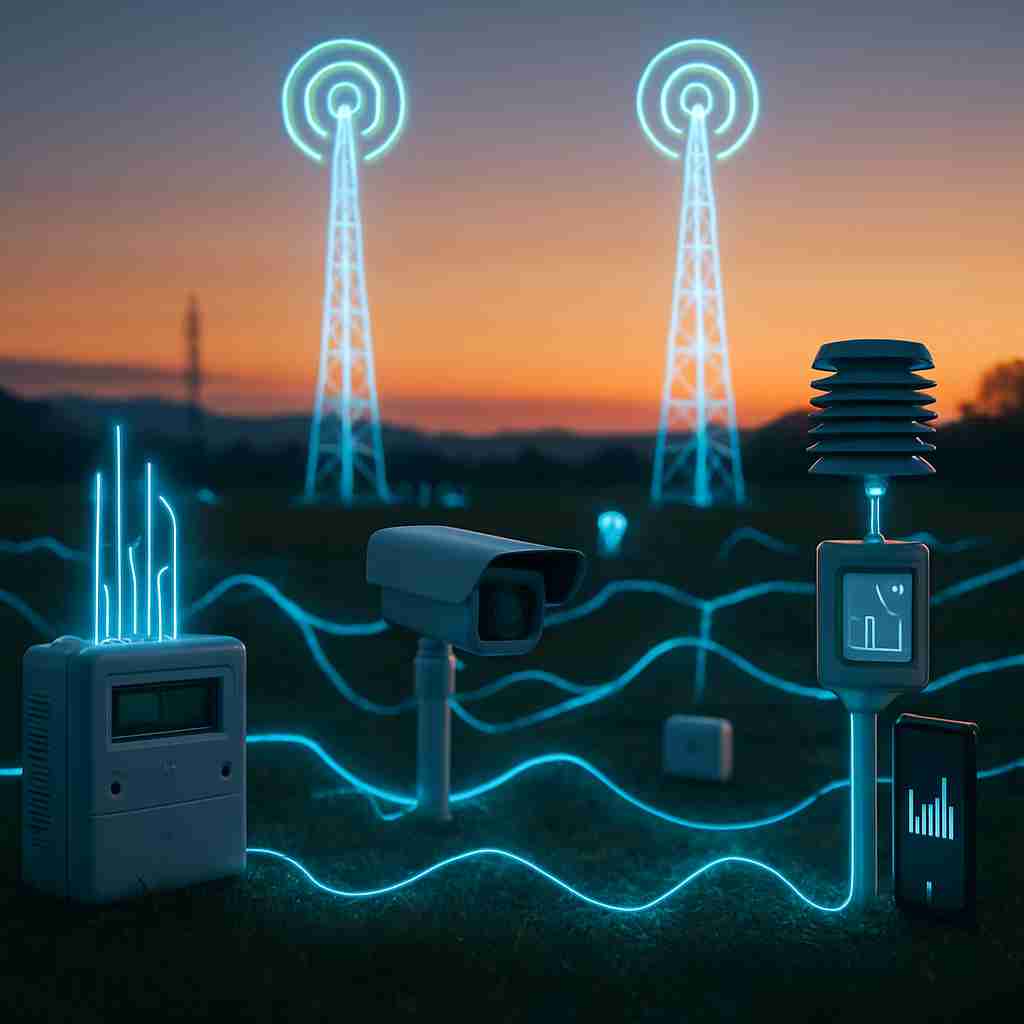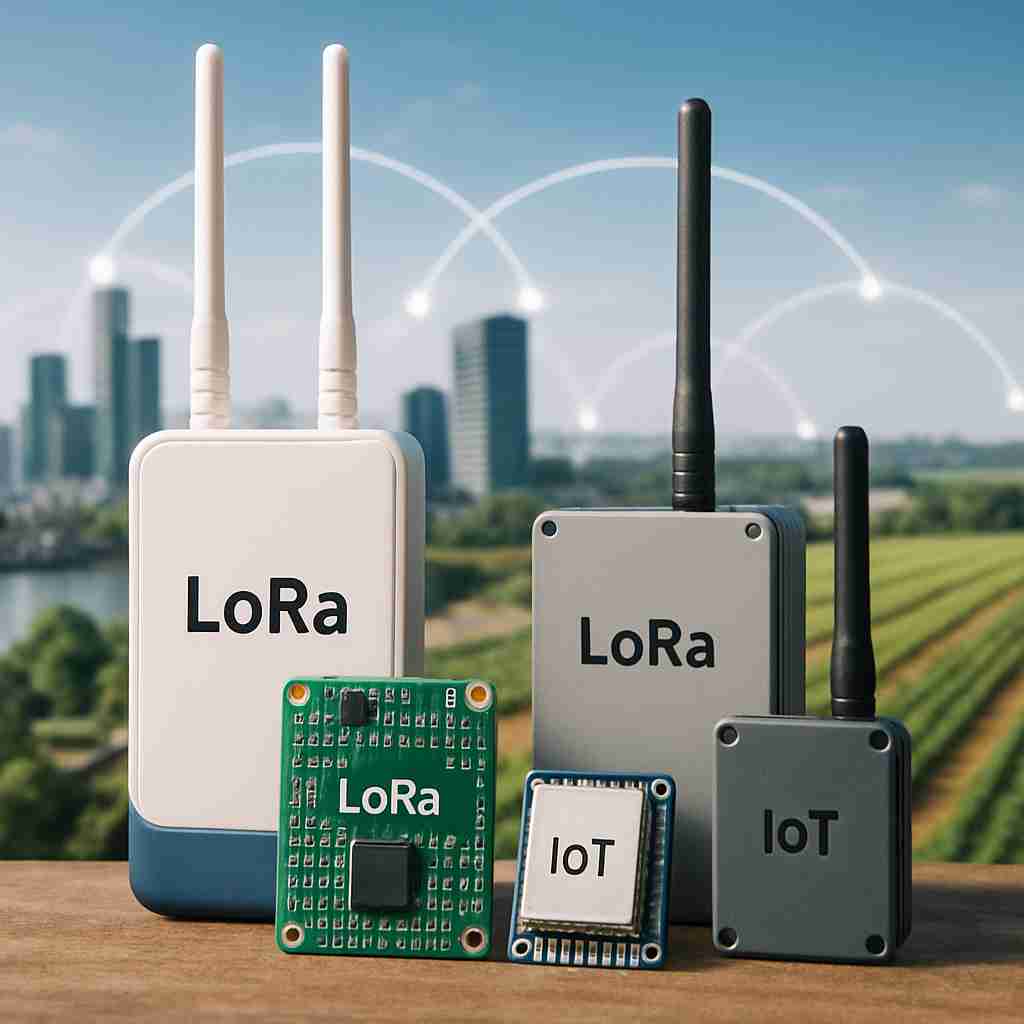




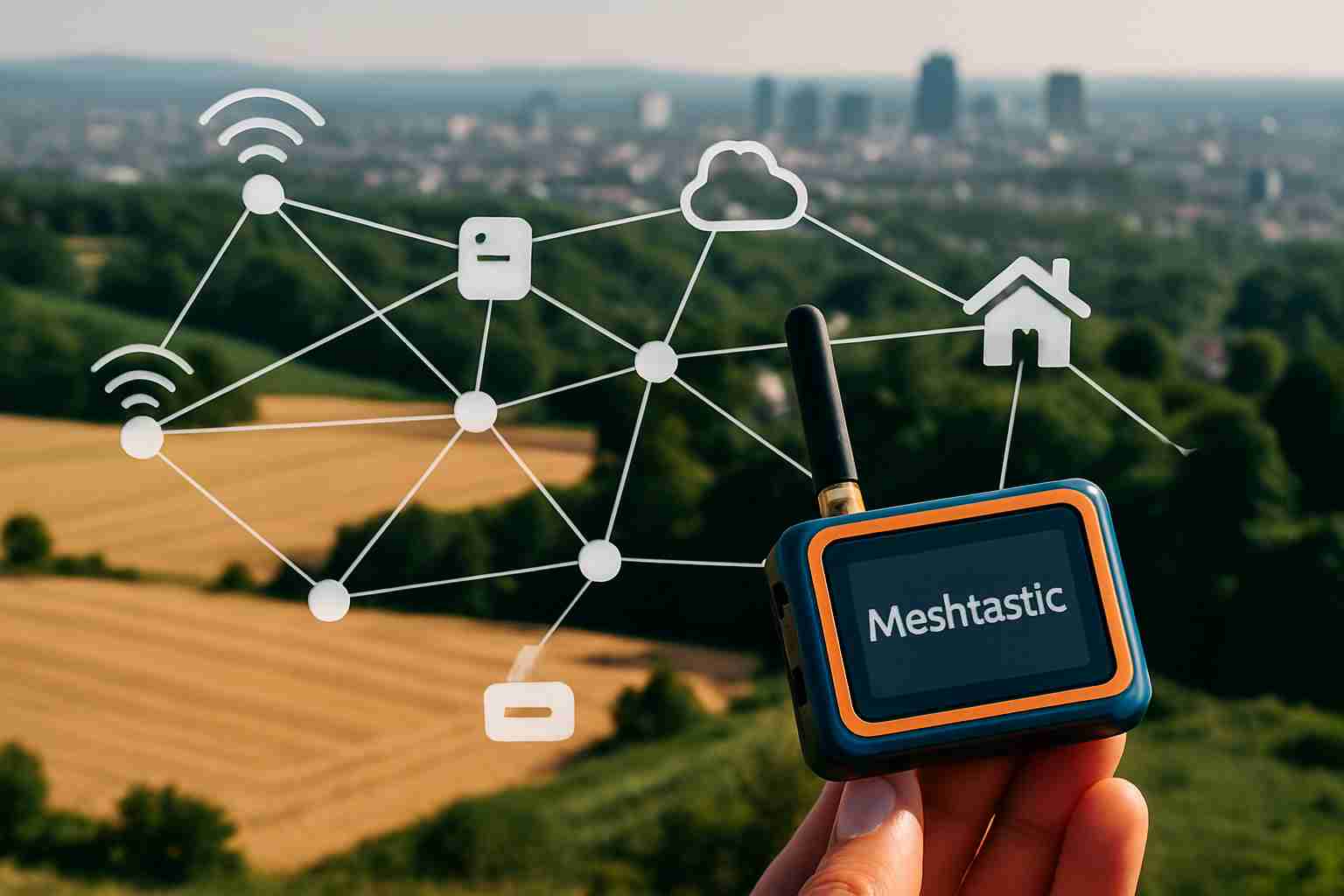
LoRa mesh networking marks a breakthrough in distributed IoT networking, delivering resilient and energy-saving IoT and autonomous connectivity technologies. Whether applied in intelligent farming IoT or in areas devastated by disasters lacking infrastructure, mesh networks offer innovative connectivity alternatives across diverse fields. This article delves into LoRa mesh networking, LPWAN technologies, and Meshtastic wireless mesh nodes, examining their importance and future possibilities.
Understanding LoRa and Its Role in IoT
LoRa technology acts as the foundation for low-energy wide-area networks (LPWAN technologies), playing a vital role in today’s Internet of Things networking services. Fundamentally, LoRa merges distinct spread-spectrum modulation with LoRaWAN protocols, enabling far-reaching IoT data communication while maintaining minimal power use. A notable advantage of LoRa is its operation on license-exempt frequency bands like 433 MHz and 915 MHz, which fosters widespread global implementation. These unlicensed frequency spectrums deliver impressive coverage, even under difficult conditions, boosting versatility for IoT applications across many industries.
Though LoRa’s data throughput is lower than conventional cellular networks, it meets the needs of most IoT use scenarios, including asset monitoring, smart city management, and LoRa mesh networking within precision agriculture IoT. This combination of range and efficiency is transforming these domains by allowing devices to send small data bursts intermittently, conserving energy, and prolonging device longevity. Consequently, this creates a durable framework where connected devices communicate reliably over distances reaching 15 kilometers—ideal for standalone communication systems and remote deployments—highlighting the groundbreaking impact of these networks in the modern interconnected world. The significance of LoRa in advancing IoT cannot be overstated, laying groundwork for pioneering solutions to current connectivity challenges, including LoRa mesh networking systems.
The Invaluable Structure of Mesh Networking
The unique, distributed design of LoRa mesh networking significantly enhances communication in difficult settings. By allowing nodes, or separate network points, to interconnect directly and cooperatively pass along data, these networks remove reliance on a single central controller, increasing dependability. Their self-organizing nature minimizes the demand for continuous supervision and control, making them both economical and practical across diverse uses.
A major advantage is fault tolerance, which guarantees that if one node malfunctions, information can still navigate alternative paths, preserving the network’s stability and availability. This makes LoRa mesh networking perfect for remote and autonomous connectivity technologies. Thanks to their modular design, these systems can grow effortlessly as requirements expand. Wireless mesh networks provide simple deployment in applications ranging from smart cities and industrial wireless automation systems to environmental monitoring, ensuring robust and efficient communication where conventional networks may fail.
Innovative Applications of LPWANs
LoRa mesh networking emerges as a groundbreaking method within the sphere of distributed communication systems. Addressing the increasing demand for sustainable, low-consumption connectivity solutions, LoRa mesh networking delivers a practical and effective approach. By harnessing the power of low-power wide-area network technologies, it manages to cover broad distances while using minimal power. Devices relying on LPWAN can communicate dependably over vast miles, proving especially useful in cases where conventional networks fail.
Innovations like DASH7, Wi-Fi HaLow, and Sigfox are at the forefront of transforming industries by exploiting the features of energy-efficient wide-area communication networks. Their ability to support extended-distance IoT connectivity alongside low energy consumption makes them indispensable in environments such as smart cities, environmental data gathering, and industrial automation wireless networks. These networks facilitate smart sensors that efficiently gather and relay data from remote sites. Within industrial settings, such networks enable seamless automation by linking equipment across large facilities where typical connectivity is insufficient.
The opportunity for LPWAN technologies in remote locations is substantial. These devices can run for extended periods on small power sources, broadening application possibilities without the burden of frequent upkeep. As advancements continue, these networks are poised to revolutionize the connectivity ecosystem, providing a solid, dependable infrastructure for the next wave of Internet of Things developments.
Meshtastic: Pioneering Decentralized Communication
Meshtastic marks an innovative advance in the field of distributed communication systems, harnessing LoRa mesh networking tailored for regions without traditional infrastructure. This project allows devices to link up within a mesh network, enabling text and data transmission even in the most isolated areas. In times of crisis, Meshtastic becomes indispensable by supporting seamless communication where conventional methods break down. Its scope in IoT environments is extensive, providing energy-efficient networking options that strengthen sensor networks and telemetry in demanding landscapes.
Though promising, Meshtastic encounters issues such as network congestion and line-of-sight limitations. Nevertheless, these challenges are being systematically tackled through innovative settings and advanced mesh network routing protocols. Methods like adaptive spectrum hopping LoRa and automated node determination help bypass these difficulties, guaranteeing steady communication links. By minimizing power overruns and refining signal routes, Meshtastic boosts the performance of its devices, effectively fulfilling the requirements for robust LoRa mesh networking platforms. This progress highlights a future wherein autonomous wireless networks represent resilient, energy-conscious communication paths in standalone connectivity solutions.
Off-Grid Communication and Future Implications
Technologies like LoRa mesh networking represent a groundbreaking shift for various industries when it comes to standalone communication systems. Such innovation enables connectivity in areas where traditional networks fall short, significantly improving communication in secluded and hard-to-reach regions. The strength and flexibility of LoRa mesh networking architectures are essential for enhancing disaster response networks and business continuity networks. These networks facilitate rapid and trustworthy data exchange, which is vital for real-time collaboration during emergencies.
Advancements in hardware and protocols today open up promising possibilities to tackle obstacles like limited range and data capacity. As these technologies progress, more compact, energy-saving Internet of Things devices with better communication protocols are expected to expand the adoption of distributed IoT networking in remote and resource-limited settings. This evolution benefits both government infrastructure and private sector ventures alike, promoting wider integration and more resilient communication frameworks. By focusing on creating efficient, decentralized telecom networks, we stand to transform how connectivity is approached, encouraging broad-scale IoT integration and enabling unprecedented reach in underserved regions.
Conclusions
LoRa mesh networking alongside related innovations is reshaping distributed IoT networking and Internet of Things networking services. These technologies harness low-energy wide-area networks and mesh communication network for agriculture to bypass traditional network constraints, proving perfect for autonomous connectivity technologies. With continuous advancements, the capability of these systems to revolutionize communication across varied fields—from intelligent farming IoT to emergency response networks—remains vast and promising.